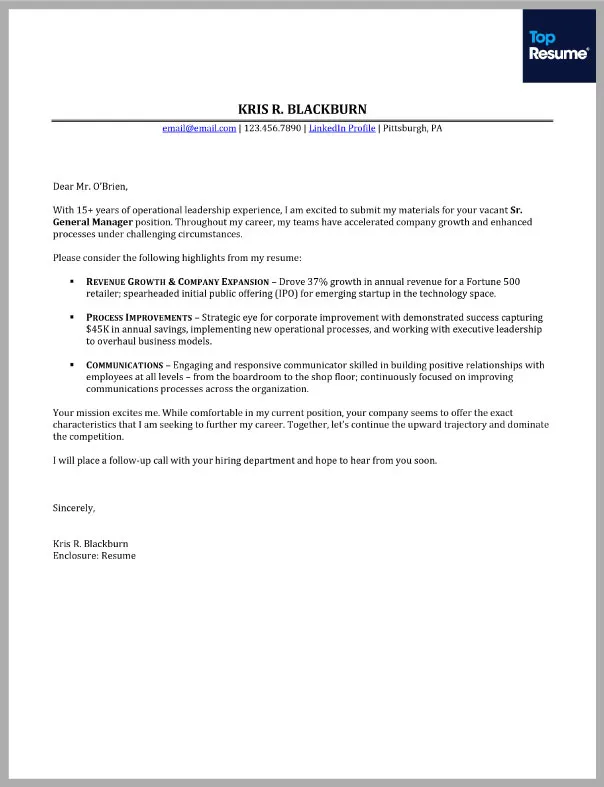
What is a Cover Letter and Why Is It Important?
A cover letter serves as your introduction to a potential employer, accompanying your resume and providing context to your application. It’s a crucial opportunity to demonstrate your personality, enthusiasm, and suitability for the role beyond the facts presented in your resume. Think of it as your chance to make a strong first impression and convince the hiring manager to delve deeper into your qualifications. Without a well-crafted cover letter, your application might not receive the attention it deserves, potentially leading to your resume being overlooked. In today’s competitive job market, a compelling cover letter is essential for differentiating yourself from other candidates and increasing your chances of landing an interview. It bridges the gap between your resume and the job description, highlighting how your unique skills and experiences align with the employer’s needs.
Cover Letter: 7 Skills to Showcase
When crafting your cover letter, it’s essential to highlight the skills that make you a strong candidate. By emphasizing these key abilities, you demonstrate to the hiring manager that you possess the qualities and expertise necessary to excel in the role. Tailoring the skills you showcase to match the job description is crucial. This ensures that you address the specific requirements and expectations of the position. Here are seven essential skills to feature in your cover letter, along with strategies for effectively presenting them. Remember, the key is to provide concrete examples that showcase how you’ve successfully utilized these skills in previous roles or experiences. This helps the hiring manager envision you as a valuable asset to their team.
Communication Skills

Effective communication is the cornerstone of any successful professional. In your cover letter, demonstrate your ability to clearly and concisely convey information, both verbally and in writing. Mention instances where you’ve successfully presented ideas to a team, negotiated with clients, or resolved conflicts through skillful communication. Showcasing your ability to tailor your communication style to different audiences is also valuable. This might involve adapting your language for diverse stakeholders or presenting complex information in a way that’s easy to understand. Highlighting your active listening skills can further emphasize your communication prowess. Providing an example where you listened attentively to a client’s needs and then provided a solution demonstrates this important aspect of communication.
Writing Skills
Strong writing skills are essential for almost any role, whether it involves creating reports, drafting emails, or composing proposals. Showcase your ability to write clearly, accurately, and persuasively. Highlight any experience with different writing styles, such as business writing, technical writing, or creative writing. If you have experience writing reports, mention the ability to synthesize complex information into a clear and concise format. Good grammar and spelling are crucial, so be sure to proofread your cover letter meticulously. Consider mentioning any instances where you’ve used writing to achieve a specific goal, like crafting a marketing campaign or preparing a grant proposal. This gives the hiring manager a tangible example of your capabilities.
Interpersonal Skills
Interpersonal skills encompass your ability to interact effectively with others. Highlight your teamwork, collaboration, and conflict-resolution abilities. Mention instances where you’ve successfully collaborated with colleagues to achieve a common goal, or where you’ve mediated disagreements to maintain a positive work environment. Demonstrating your ability to build rapport and maintain positive relationships is crucial. This might involve mentioning experience in networking, customer service, or managing diverse teams. Illustrate how you’ve used your interpersonal skills to motivate others, build consensus, or navigate difficult situations. Use real-world examples to show how you’ve fostered strong relationships with clients, colleagues, or supervisors.
Problem-Solving Skills

Employers value individuals who can identify, analyze, and solve problems effectively. In your cover letter, demonstrate your ability to approach challenges systematically. Mention instances where you’ve identified a problem, researched potential solutions, and implemented a successful strategy. Quantify your achievements whenever possible, such as ‘increased efficiency by 15%’ or ‘reduced costs by 10%’. Showcase your analytical skills by describing how you’ve used data to make informed decisions or improve processes. Highlight your ability to think critically, adapt to changing circumstances, and learn from your mistakes. Providing concrete examples of how you’ve overcome obstacles will make a strong impression.
Leadership Skills
Even if you’re not applying for a management role, leadership skills are valuable. Highlight your ability to motivate others, take initiative, and guide projects to completion. Mention instances where you’ve taken on leadership roles, even in non-managerial positions. Describe how you’ve inspired a team, mentored colleagues, or driven positive change. Showcase your ability to delegate tasks effectively, provide constructive feedback, and make decisions under pressure. If you have experience leading projects, mention the ability to manage resources, set deadlines, and ensure project success. Emphasize your ability to inspire and empower those around you, leading to greater productivity and a more cohesive team.
Technical Skills
Depending on the role, highlighting your technical skills can be crucial. List any relevant software, programming languages, or technical expertise you possess. Mention certifications or training that support your technical abilities. Tailor your technical skills to match the specific requirements of the job. If the job description mentions specific software or technologies, be sure to emphasize your experience with them. If you have a portfolio or website showcasing your technical skills, include a link in your cover letter. Providing examples of how you’ve used your technical skills to solve problems or achieve specific outcomes will further impress the hiring manager. Always ensure your technical skills are up-to-date and relevant to the industry.
Adaptability and Flexibility

In today’s dynamic work environment, adaptability and flexibility are essential. Showcase your ability to adjust to changing priorities, learn new skills quickly, and embrace new technologies or processes. Mention instances where you’ve successfully navigated unexpected challenges, such as adapting to new software or handling a sudden project shift. Highlight your willingness to take on new responsibilities and your ability to thrive in a fast-paced environment. Illustrate how you’ve embraced change and used it to your advantage, perhaps by identifying opportunities for improvement or streamlining existing workflows. Showcasing adaptability demonstrates your capacity to handle whatever the job throws your way and contribute effectively in any situation.
Tailoring Your Cover Letter for Each Application
A generic cover letter is unlikely to impress. Tailoring your cover letter to each job application is essential. Start by carefully reviewing the job description and identifying the key skills and requirements. Then, customize your cover letter to highlight how your skills and experiences align with those specific needs. Research the company and demonstrate your genuine interest in their mission and values. Addressing your letter to a specific person can also make a positive impression. When possible, use keywords from the job description to optimize your cover letter for applicant tracking systems. By tailoring your cover letter, you show the employer that you’ve invested time and effort in understanding their needs and that you’re serious about the position.
Highlighting Skills with Examples
Instead of simply listing your skills, provide concrete examples of how you’ve used them to achieve results. Use the STAR method (Situation, Task, Action, Result) to structure your examples. Describe the situation or context, the task you were assigned, the action you took, and the positive result you achieved. Quantify your achievements whenever possible, using metrics to demonstrate your impact. For example, instead of saying ‘I improved customer satisfaction,’ say ‘I increased customer satisfaction scores by 15% through implementing a new feedback system.’ By providing specific examples, you make your skills more tangible and demonstrate their value to the employer. This approach helps the hiring manager envision how you can contribute to their team’s success.
Quantifying Your Achievements

Whenever possible, quantify your achievements to demonstrate the impact of your skills and experience. Use numbers and metrics to showcase your accomplishments. Instead of saying ‘I increased sales,’ say ‘I increased sales by 20% in the first quarter.’ Quantifying your achievements makes your accomplishments more compelling and provides a clear picture of your contributions. Use data to illustrate the value you brought to previous roles. Consider using percentages, dollar amounts, or other measurable results. For instance, ‘reduced project costs by 10%’ or ‘managed a team of 10 employees.’ Highlighting measurable results will make your cover letter more impactful and demonstrate your ability to deliver tangible value to the organization.
Cover Letter: Final Thoughts
Your cover letter is your opportunity to make a strong first impression and set yourself apart from other candidates. By showcasing your key skills, tailoring your letter to each application, and providing concrete examples of your achievements, you can significantly increase your chances of getting an interview. Remember to proofread your cover letter carefully for any errors in grammar or spelling. Keep your letter concise and focused, highlighting the most relevant skills and experiences. Ensure your cover letter is professional and reflects your enthusiasm for the position. A well-crafted cover letter can be the key to unlocking your career potential.