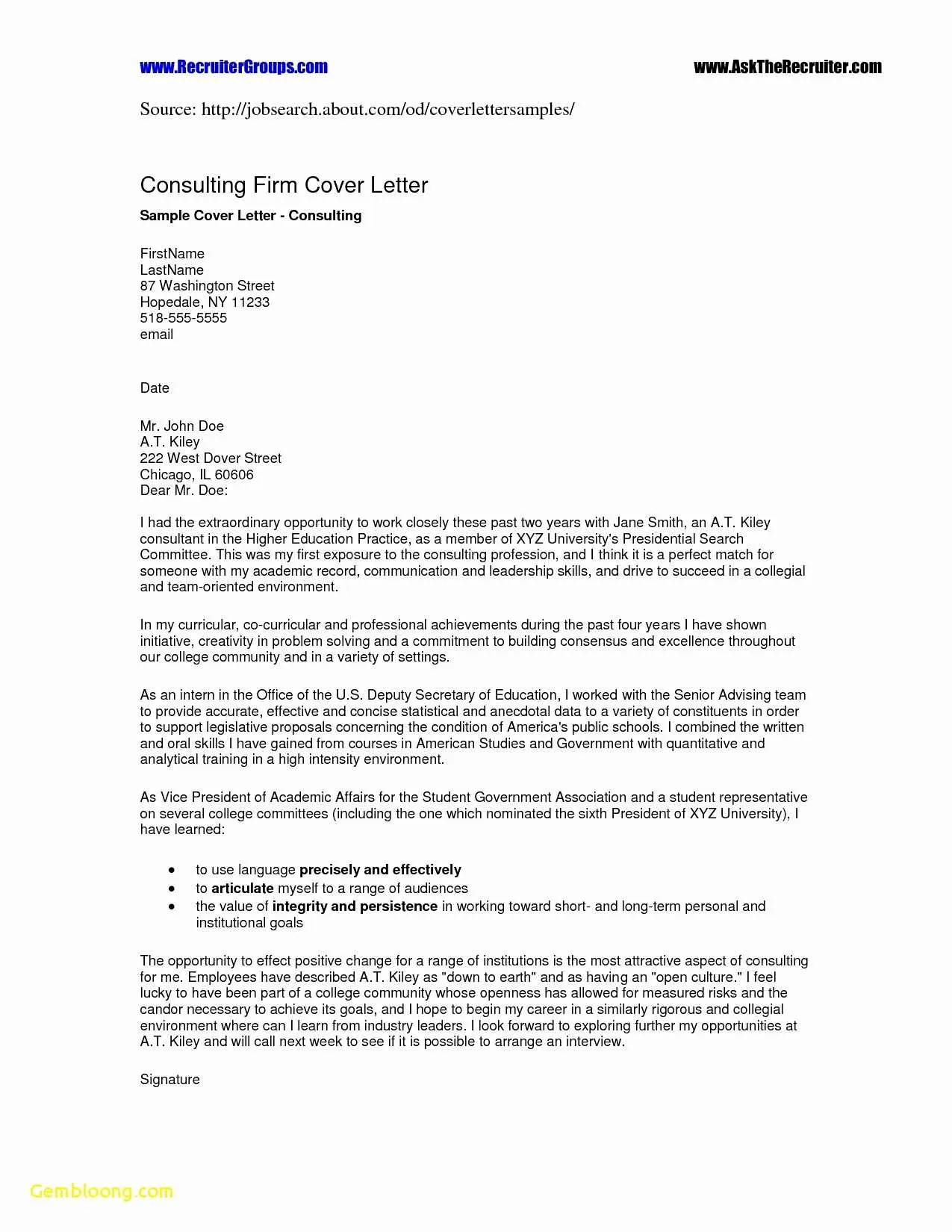
Cover Letter Tips What Makes a Great Cover Letter
A cover letter is a crucial component of your job application, serving as your introduction to a potential employer. It allows you to elaborate on your resume, showcase your personality, and highlight why you’re the perfect fit for the role. A great cover letter goes beyond simply restating your resume; it demonstrates your enthusiasm, skills, and understanding of the company and the specific job requirements. Crafting a compelling cover letter is an art, and mastering it can significantly increase your chances of landing an interview. This guide provides essential cover letter tips to help you create a standout document that captures the attention of hiring managers.
Understanding the Purpose of a Cover Letter
The primary purpose of a cover letter is to introduce yourself and your qualifications to a potential employer. Unlike your resume, which provides a factual overview of your experience, a cover letter allows you to express your interest in the specific job, explain why you are a good fit, and demonstrate your understanding of the company’s needs. It’s your opportunity to tell a story, connecting your skills and experiences to the requirements of the position. A well-written cover letter shows you’ve done your research, are genuinely interested in the role, and have a clear understanding of what the employer is looking for.
Highlighting Your Skills and Experience

Your cover letter should highlight the skills and experiences most relevant to the job you’re applying for. Don’t just list your skills; demonstrate how you’ve used them to achieve results in previous roles. Provide specific examples of your accomplishments, quantifying them whenever possible. For instance, instead of saying “Managed social media,” you could say, “Increased social media engagement by 30% in six months.” This approach provides concrete evidence of your capabilities and makes your application more compelling to the hiring manager. Focus on the skills and experiences that align with the job description, demonstrating your value and how you can contribute to the company’s success.
Tailoring Your Cover Letter to the Job
One of the most important cover letter tips is to tailor each letter to the specific job you’re applying for. Generic cover letters that are used for multiple applications are easily recognizable and often overlooked. Customize your letter by carefully reviewing the job description and identifying the key requirements and keywords. Then, demonstrate how your skills and experiences align with these specific needs. Show that you understand the role and the company’s objectives, and explain how you can contribute to their success. This level of personalization demonstrates your genuine interest and makes your application stand out from the competition. Make sure to address the specific requirements of the job and use the language of the job description.
Researching the Company and Job
Before you start writing your cover letter, research the company and the specific job you’re applying for. Visit the company’s website, read their “About Us” section, and explore their social media profiles to understand their mission, values, and recent projects. Understanding the company’s culture and goals will enable you to tailor your letter to demonstrate how your skills and experience align with their needs. Look for keywords and phrases in the job description that reflect the skills, experience, and values the company is seeking. Showing that you’ve done your homework demonstrates your genuine interest and helps you create a more compelling application. Use the company’s language and tone to further show that you are a good fit.
Creating a Strong Opening and Closing

The opening and closing paragraphs of your cover letter are critical, as they make the first and last impression on the hiring manager. Your introduction should immediately grab their attention and clearly state the position you’re applying for and where you found the job posting. Express your enthusiasm for the role and the company. Your closing paragraph should reiterate your interest, summarize your key qualifications, and express your gratitude for their time and consideration. Include a call to action, such as expressing your availability for an interview. A strong opening and closing will help you capture the hiring manager’s attention and leave a lasting positive impression.
Crafting a Compelling Introduction
Your introduction should immediately capture the reader’s attention. Avoid generic openings. Instead, start with a statement that clearly states the position you’re applying for and how you learned about the opportunity. If possible, personalize your opening by mentioning something specific that interests you about the company or the role. Highlight your key qualifications or a relevant achievement that makes you stand out. The goal is to make the hiring manager want to continue reading. A compelling introduction sets the tone for the rest of your cover letter and gives you a chance to showcase your enthusiasm and suitability for the role.
Showcasing Your Relevant Skills
In the body of your cover letter, showcase the skills that are most relevant to the job requirements. Review the job description and identify the key skills the employer is seeking. Then, provide specific examples of how you’ve demonstrated these skills in your previous roles or projects. Use action verbs to describe your accomplishments and quantify your results whenever possible. For instance, instead of saying “Managed a team,” you could say, “Led a team of 10, increasing project completion rates by 15%.” This approach provides concrete evidence of your abilities and shows the hiring manager that you have the skills they are looking for. Align your skills with the job description to show you are a good fit.
Providing Specific Examples of Achievements

Instead of simply listing your responsibilities, provide specific examples of your achievements. Quantify your accomplishments whenever possible using numbers and data to illustrate your impact. For instance, instead of saying “Improved customer satisfaction,” you could say, “Increased customer satisfaction scores by 20% within six months.” Use the STAR method (Situation, Task, Action, Result) to structure your examples, providing context, describing the task, detailing the actions you took, and outlining the results. This method helps you present your accomplishments in a clear and concise manner. Specific examples of achievements are far more compelling than vague statements, as they demonstrate your capabilities and the value you can bring to the company.
Writing a Powerful Closing Statement
Your closing statement should reiterate your interest in the position and summarize your key qualifications. Express your gratitude for the hiring manager’s time and consideration. Include a call to action, such as stating that you are available for an interview and look forward to discussing the opportunity further. Avoid generic closing statements; instead, make your closing personalized and enthusiastic. Reiterate your enthusiasm for the role, and leave a lasting positive impression. A strong closing statement reinforces your qualifications and leaves the hiring manager with a clear understanding of why you’re the right candidate.
Formatting Your Cover Letter for Readability
Formatting is key to making your cover letter readable and visually appealing. Use a professional-looking font like Arial, Times New Roman, or Calibri, and use a font size between 10 and 12 points. Keep your paragraphs concise and use bullet points to break up large blocks of text. Use clear headings and subheadings to organize your content and make it easy for the hiring manager to scan the document. Use ample white space to give your eyes a break and make the letter less cluttered. A well-formatted cover letter is easier to read and makes a positive impression.
Choosing the Right Font and Font Size

The choice of font and font size significantly affects the readability of your cover letter. Select a professional and easy-to-read font such as Arial, Times New Roman, or Calibri. Avoid overly fancy or decorative fonts that can be difficult to read. Use a font size between 10 and 12 points to ensure your text is legible without being too small or too large. Consistency is key: use the same font and size throughout the document. A well-chosen font and size will enhance the visual appeal of your cover letter and make it easier for the hiring manager to focus on your content.
Using Proper Grammar and Spelling
Errors in grammar and spelling can undermine your credibility and professionalism. Before submitting your cover letter, carefully proofread it to catch any mistakes. Use a spell-checker and grammar-checker, but don’t rely on them completely. Read your letter aloud to catch any awkward phrasing or errors that spell-checkers might miss. Ask a friend or family member to proofread your letter as a fresh set of eyes can often spot errors you might overlook. A polished and error-free cover letter demonstrates your attention to detail and professionalism.
Proofreading Your Cover Letter
Proofreading is the final and crucial step in writing a great cover letter. After you’ve written and revised your letter, proofread it carefully to catch any errors in grammar, spelling, punctuation, and formatting. Reading your letter aloud can help you identify awkward phrasing or sentences that need improvement. Ask a friend, family member, or career advisor to review your letter as well. A second pair of eyes can often spot mistakes that you might miss. A well-proofread cover letter demonstrates your attention to detail and professionalism. It will help you make a strong first impression on the hiring manager.
Keywords and Phrases to Include

To make your cover letter stand out and to ensure it gets past Applicant Tracking Systems (ATS), it’s essential to incorporate relevant keywords and phrases. Carefully review the job description and identify the key skills, qualifications, and requirements. Include these keywords naturally throughout your letter, emphasizing your skills and how they match the job’s needs. Use industry-specific terminology and action verbs that describe your accomplishments. This strategy helps your cover letter align with the company’s needs and enhances its chances of being selected for review. Strategic use of keywords demonstrates your understanding of the role and increases the likelihood of your application being noticed.
Using Keywords from the Job Description
A key aspect of writing a great cover letter is incorporating keywords directly from the job description. The job description is the employer’s guide to what they’re looking for in a candidate. Identify the most important skills, qualifications, and requirements listed in the job description. Then, strategically use these keywords and phrases throughout your cover letter to demonstrate that you possess the necessary qualifications. Don’t just copy and paste the keywords; instead, integrate them naturally into your descriptions of your skills, experiences, and achievements. This method not only helps your cover letter get past ATS but also shows the hiring manager that you understand the role and are a good fit.
Incorporating Action Verbs
Using action verbs in your cover letter makes your writing more dynamic and engaging. Action verbs describe the specific actions you took to achieve results in your previous roles. Start your sentences with strong action verbs to highlight your accomplishments. For example, use words like “managed,” “led,” “developed,” “implemented,” or “achieved.” This approach adds impact to your descriptions and demonstrates your capabilities. Action verbs provide a clear picture of what you did and what you accomplished. This makes your letter more compelling and highlights your skills and experience in a way that can be quickly understood by the hiring manager.
Avoiding Common Cover Letter Mistakes

Avoid common cover letter mistakes that can hurt your chances of getting an interview. These include using generic templates and failing to personalize your letter for the specific job. Typos, grammatical errors, and poor formatting can also make a negative impression. Avoid writing cover letters that are too long or too short; aim for a concise and focused approach. Make sure your cover letter is tailored to each job and avoid simply repeating information from your resume. Focusing on avoiding these common mistakes will increase the effectiveness of your cover letter.
Generic Letters and Lack of Personalization
One of the biggest cover letter mistakes is sending generic, impersonal letters. Avoid using a template without making significant changes to tailor it to the specific job and company. Take the time to research the company and the role and personalize your letter to show that you understand their needs and are genuinely interested in the opportunity. Mention specific aspects of the company that appeal to you, or explain why your skills and experience align with their mission. A personalized cover letter demonstrates your effort and sincerity, making a strong impression on the hiring manager.
Typos and Grammatical Errors
Typos and grammatical errors can significantly damage your credibility. Proofread your cover letter carefully to catch any mistakes in spelling, punctuation, and grammar. Use a spell-checker and grammar-checker, but don’t rely on them completely. Read your letter aloud to identify awkward phrasing or errors that spell-checkers might miss. Having a friend or family member review your letter can provide a fresh perspective and help you catch any mistakes you might have overlooked. A polished and error-free cover letter demonstrates your attention to detail and professionalism.
Overly Long or Short Cover Letters

Aim for a cover letter that’s the right length — not too long and not too short. Ideally, your cover letter should be one page, or about 250-400 words. A cover letter that is too short may not provide enough information about your qualifications, while a cover letter that is too long may lose the hiring manager’s interest. Focus on the most relevant information and use concise, well-written paragraphs. Each paragraph should have a clear purpose, and the overall letter should flow logically. Be efficient with your words and focus on the key information you want to convey.
Tips for Different Job Types and Industries
Your cover letter strategy should be tailored to the job type and industry. For example, cover letters for creative roles may have a different tone or format compared to those for more formal industries. Adjust your language and style to match the company’s culture and the specific requirements of the job. Research the industry standards for cover letters and adapt your approach accordingly. Tailoring your cover letter to the specific job type and industry demonstrates your understanding of the expectations and your commitment to meeting them.
Cover Letters for Entry-Level Positions
For entry-level positions, focus on highlighting your education, relevant coursework, internships, and any volunteer or extracurricular activities that demonstrate your skills and initiative. Since you may have limited work experience, emphasize your transferable skills such as communication, problem-solving, and teamwork. Show your enthusiasm for the role and the company, and demonstrate your willingness to learn and grow. Tailor your cover letter to align with the specific requirements of the job and clearly explain why you are a good fit, even with limited experience. Use examples from your academic or volunteer experiences to illustrate your abilities.
Cover Letters for Experienced Professionals
Experienced professionals should focus on showcasing their accomplishments and providing specific examples of how they have contributed to their previous organizations. Quantify your achievements whenever possible, using numbers and data to illustrate your impact. Highlight your leadership skills, your ability to manage projects, and your success in achieving business goals. Use industry-specific terminology and demonstrate your deep understanding of the field. Tailor your cover letter to align with the specific job description, and emphasize your unique qualifications and the value you can bring to the new company. Show your ability to take on responsibilities and drive positive change.
Cover Letters for Specific Industries
Different industries have different norms and expectations for cover letters. Research the specific industry and adapt your cover letter accordingly. For example, creative industries may appreciate a more visually appealing or unconventional approach, while industries such as finance or law may require a more formal tone. Use industry-specific language and demonstrate your understanding of the sector’s challenges and opportunities. Show that you understand the company’s needs and the unique aspects of the role. By tailoring your cover letter to the industry standards, you demonstrate your professionalism and increase your chances of making a positive impression.
Optimizing Your Cover Letter for Applicant Tracking Systems (ATS)
Many companies use Applicant Tracking Systems (ATS) to screen applications. ATS software scans your cover letter and resume for keywords and phrases and filters out applications that don’t meet the specified criteria. Therefore, it’s crucial to optimize your cover letter for ATS. Carefully review the job description and identify the key keywords. Include these keywords naturally throughout your letter, emphasizing your relevant skills and experiences. Use clear headings, concise paragraphs, and a professional font. Avoid using graphics or unusual formatting that may confuse the ATS. Optimizing your cover letter for ATS ensures that your application gets past the initial screening and into the hands of a hiring manager.
Understanding ATS and How It Works
Applicant Tracking Systems (ATS) are software programs used by employers to manage the hiring process. These systems scan resumes and cover letters for specific keywords and phrases, ranking candidates based on how well their qualifications match the job requirements. Understanding how ATS works is critical to optimizing your cover letter. The system may look for specific keywords, skills, and experience mentioned in the job description. It also analyzes the formatting and readability of your document. Knowing this helps you write a cover letter that gets past the initial screening and into the hands of the hiring manager.
Formatting Your Cover Letter for ATS Compatibility
To ensure your cover letter is ATS-friendly, use a simple and clean format. Avoid using tables, images, or complex formatting, as these elements may not be read correctly by the system. Use a standard font such as Arial, Times New Roman, or Calibri, with a font size between 10 and 12 points. Use clear headings, concise paragraphs, and ample white space. Avoid using headers or footers, and keep your document well-organized. The more ATS-friendly your formatting, the better your chances of getting noticed. Keep your document simple to let the content be the focus.
Submitting Your Cover Letter on Indeed
When submitting your cover letter on Indeed, follow the platform’s instructions carefully. Ensure that your cover letter is properly formatted and uploaded as a .doc, .docx, or PDF file. Pay close attention to any specific requirements or guidelines provided by the employer or Indeed. Before submitting, review your application to ensure that all the information is accurate and complete. Proofread your cover letter to catch any errors. Submitting a well-prepared cover letter will help you make a strong first impression.
Uploading Your Cover Letter
When uploading your cover letter, save it with a descriptive file name that includes your name and the job title. For example, “JohnDoe_CoverLetter_MarketingManager.” Ensure the file is in a compatible format, such as PDF or DOCX. Double-check that the uploaded document is the correct version of your cover letter. After uploading, preview the document to ensure the formatting has been preserved. A well-named and properly formatted file will make it easier for employers to access and review your application.
Customizing Your Cover Letter for Each Application
The key to a successful cover letter is personalization. Although it may take more time, customizing your cover letter for each job application significantly increases your chances of success. Tailor your letter to the specific job requirements, company culture, and industry standards. Mention specific skills and experiences that align with the job description, and show that you’ve done your research on the company. A customized cover letter makes a strong impression on the hiring manager and helps you stand out from the competition. Customize your cover letter to demonstrate your genuine interest and make a lasting impression.