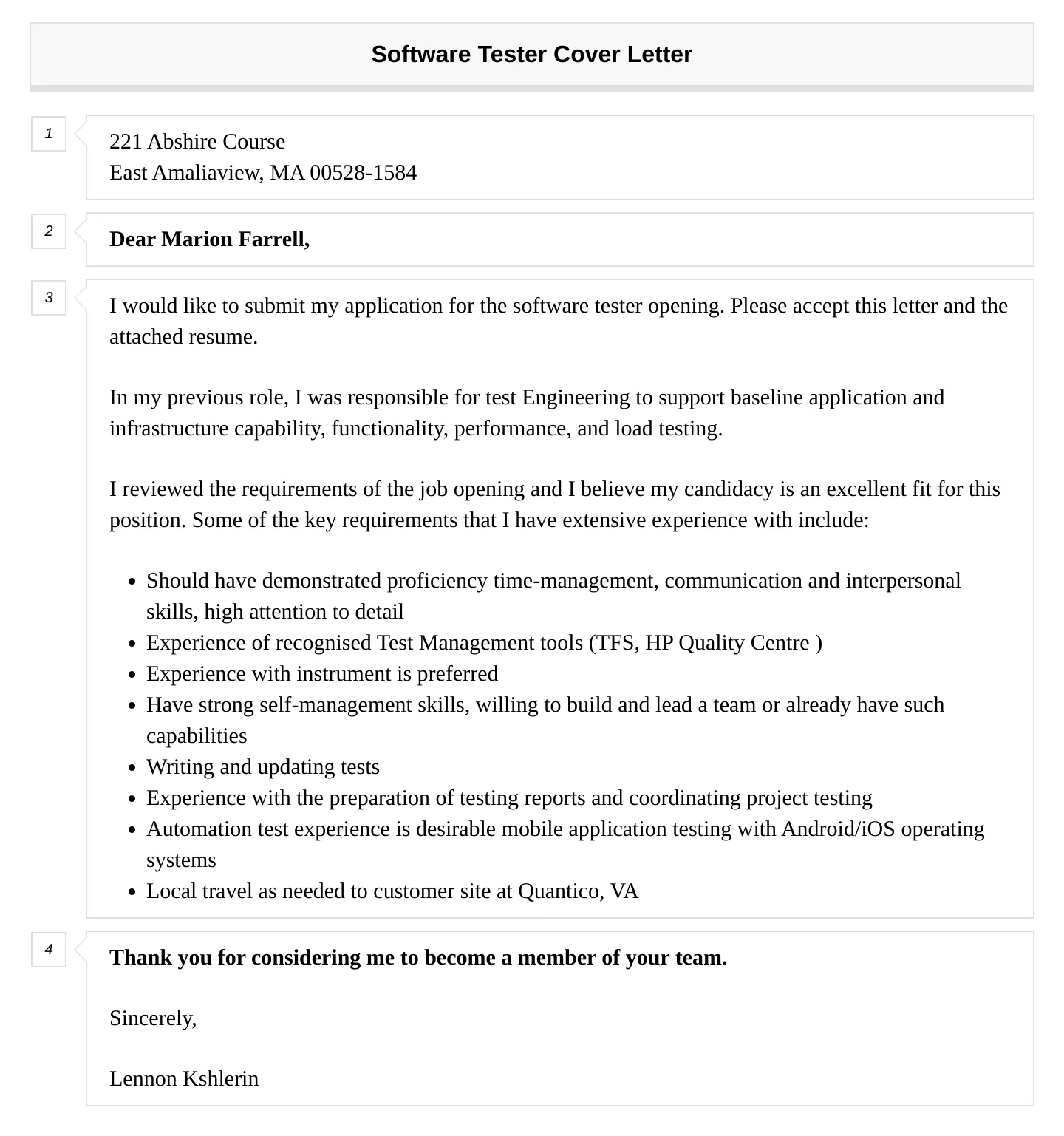
Cover Letter Software Tester Top 5 Tips!
Crafting a compelling cover letter is a crucial step in landing your dream job as a software tester. A well-written cover letter not only introduces you to the potential employer but also highlights your key skills, experience, and enthusiasm for the role. It’s your opportunity to make a strong first impression and differentiate yourself from other candidates. This guide provides the top 5 tips to help you create a standout cover letter that grabs the attention of hiring managers and increases your chances of getting an interview. Follow these tips and you’ll be well on your way to success.
Highlight Your Skills
Your cover letter should prominently showcase your skills relevant to software testing. Instead of simply listing skills, provide specific examples of how you’ve used them in previous roles or projects. Mention your proficiency in various testing methodologies (e.g., black box, white box, functional, regression, performance), testing tools (e.g., Selenium, JUnit, TestComplete), and programming languages (e.g., Java, Python). Don’t just say you’re a good problem-solver; describe a situation where you identified a critical bug and how you resolved it. This approach allows the hiring manager to quickly see how your skills align with their needs. Include keywords from the job description to directly address the requirements.
Detail Your Relevant Experience

Go beyond simply stating your job titles and dates of employment; provide a concise overview of your experience. Focus on roles and projects where you’ve performed software testing activities. Describe your responsibilities, the types of software you tested, and the environments you worked in. Mention the size and complexity of the projects you were involved with and your contributions to their success. For each role, describe the impact of your work, and how your actions contributed to the project’s goal. This detailed account will help the hiring manager understand your experience and gauge your potential to contribute to their team. Use action verbs to effectively describe your duties.
Showcase Your Technical Proficiency
Software testing requires a strong technical foundation. Your cover letter should highlight your technical expertise, including the tools, technologies, and methodologies you are familiar with. Mention your experience with test management software (e.g., Jira, TestRail), bug tracking systems, and automation frameworks. If you have experience with performance testing tools like JMeter or LoadRunner, be sure to include that too. If you have any certifications related to software testing, such as ISTQB or CSTE, list them prominently. This section helps the employer understand that you possess the technical skills required to succeed in the role.
Quantify Your Accomplishments
Whenever possible, quantify your accomplishments to provide concrete evidence of your impact. Instead of saying you improved testing efficiency, state by how much. For example, you could say, “Reduced bug detection time by 20% through automated testing.” Or, “Increased test coverage from 60% to 90%.” Quantifiable achievements provide concrete evidence of your abilities and help the hiring manager understand the value you bring. Use numbers, percentages, and specific metrics to demonstrate your successes. This allows the hiring manager to see the direct value you brought to past employers and the impact you could have on their team.
Tailor to the Job Description

A generic cover letter will not stand out. Customize your cover letter for each job application. Carefully review the job description and identify the key requirements, skills, and experiences the employer is looking for. Then, tailor your cover letter to address those specific needs. Highlight the relevant skills and experience that match the job requirements. Use keywords from the job description throughout your cover letter to demonstrate your understanding of the role and the company’s needs. This level of personalization shows that you’ve taken the time to understand the position and are genuinely interested in the opportunity.
Understand the Role of a Software Tester
Before you start writing your cover letter, it’s essential to understand the key responsibilities of a software tester. Software testers are responsible for ensuring the quality of software products by identifying bugs, defects, and other issues. They do this through various testing methods, including manual and automated testing. Understanding the day-to-day tasks of a software tester is crucial to effectively highlighting your relevant skills and experience.
Key Responsibilities and Duties
Common responsibilities include reviewing requirements, creating test plans and test cases, executing tests, documenting results, and reporting bugs. Software testers work closely with developers and other stakeholders to ensure that software meets the required specifications and user expectations. They may also be involved in performance testing, security testing, and usability testing. Demonstrate you have a good understanding of these aspects in your cover letter by showcasing your experience in any of these areas.
Essential Skills for Software Testers

Successful software testers possess a combination of technical skills, such as proficiency in testing tools and programming languages, and soft skills, such as attention to detail, communication, and problem-solving abilities. They should be able to analyze complex software, identify potential issues, and communicate their findings clearly and effectively. Familiarity with Agile and other development methodologies is also often required. Highlight your skills and experience that match these requirements in your cover letter to show your proficiency and suitability for the role.
Crafting Your Cover Letter
Now that you understand the key aspects of a software tester role, let’s focus on creating a compelling cover letter. Structure, writing style, and formatting all play crucial roles in ensuring your letter makes a positive impact. A well-crafted cover letter will capture the attention of the hiring manager and help you to stand out from other candidates. The goal is to make a great first impression to increase your chances of getting hired, so it is worth the effort.
Formatting and Structure
Start with a professional heading that includes your contact information, the date, and the hiring manager’s name and address. Use a clear and easy-to-read font, such as Arial or Times New Roman, and maintain consistent formatting throughout the letter. The cover letter should be concise and well-organized. Aim for a single page, if possible. Divide your content into logical sections, such as an introduction, a skills and experience section, and a conclusion. Ensure each section has a clear purpose and contributes to your overall message.
Writing Style and Tone

Adopt a professional and enthusiastic tone throughout your cover letter. Use active voice to clearly convey your accomplishments and skills. Avoid overly formal language and jargon. Instead, write in a way that is easy to understand and engaging. Focus on conveying your passion for software testing and your genuine interest in the specific role and company. Demonstrate your personality while maintaining professionalism. Choose your words carefully, and let your enthusiasm and interest shine through.
Proofreading and Editing
Before submitting your cover letter, carefully proofread it for any typos, grammatical errors, or formatting inconsistencies. Errors can create a negative impression and undermine your credibility. Read your cover letter multiple times and consider having someone else review it for you. Ensure that all your contact information is correct and that you have correctly addressed the hiring manager. Paying attention to these small details can make a big difference. Use grammar and spell checking tools, and double-check names, titles, and dates. Attention to detail is important.
Common Mistakes to Avoid
While writing your cover letter, it is important to steer clear of common pitfalls that can damage your chances of landing an interview. Avoid generic letters, typos, and a lack of research about the company. Making these mistakes can result in your application being immediately rejected. By knowing the common issues to avoid, you can create a compelling cover letter that will get you noticed.
Generic Letters

Avoid using a generic cover letter that you send to every job application. Generic letters show a lack of genuine interest in the role and the company. Instead, personalize your cover letter for each application. Tailor the content to the specific job description and the company’s needs. Demonstrating that you understand the company’s business and culture shows you’ve done your research and are genuinely interested. Personalization increases your chances of making a positive impression and getting an interview.
Typos and Grammatical Errors
Typos and grammatical errors can undermine your professionalism and credibility. Proofread your cover letter carefully before submitting it. Use a spell checker and grammar checker, but don’t rely on them entirely. Read your cover letter multiple times to catch any errors. Consider having a friend, colleague, or career counselor review it. Errors indicate a lack of attention to detail, a crucial skill for a software tester, so ensuring the letter is free of errors is very important.
Ignoring the Company
Failing to research the company and its products or services demonstrates a lack of interest. Before writing your cover letter, visit the company’s website, read their press releases, and learn about their mission, values, and culture. Mentioning something specific about the company in your cover letter shows that you’ve done your homework and are genuinely interested in the opportunity. You can show this by highlighting projects you’re interested in or values that align with your own. This will demonstrate that you are committed to the role and the company.
Conclusion

Writing a compelling cover letter is a critical step in your job search as a software tester. By highlighting your skills, detailing your experience, showcasing your technical proficiency, and quantifying your accomplishments, you can make a strong impression on potential employers. Remember to tailor your cover letter to each job description, understand the role of a software tester, and avoid common mistakes. Following these tips will significantly increase your chances of getting an interview and landing your dream job. Good luck with your job applications!