What is a Cover Letter?
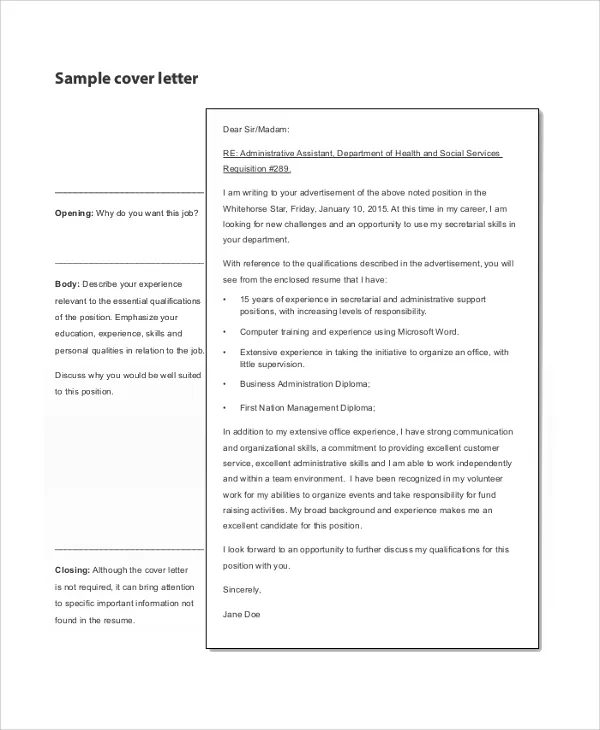
A cover letter is a crucial document that accompanies your resume when applying for a job. It serves as your introduction to the hiring manager and provides an opportunity to showcase your personality, skills, and qualifications in a more detailed and personalized way than your resume alone. A well-crafted cover letter can significantly increase your chances of getting an interview by highlighting your enthusiasm for the position and demonstrating how your experience aligns with the company’s needs. It’s your chance to make a great first impression and set yourself apart from other applicants. Remember, this is your first opportunity to influence the hiring manager, so make it count.
Why Your Cover Letter Matters
Many job seekers underestimate the importance of a cover letter, but it’s often the deciding factor in whether your application gets a second look. It provides context to your resume, explaining why you’re interested in the specific role and how your skills match the requirements. Hiring managers often use cover letters to assess your communication skills, attention to detail, and overall fit for the company culture. A strong cover letter can transform a potentially lackluster application into a compelling one. It is your chance to elaborate on specific accomplishments and explain any gaps or unconventional aspects of your resume. For instance, a career change or a lengthy employment gap can be easily addressed in a well-written cover letter, adding an important layer of information.
Make a Great First Impression

The opening paragraph is your golden opportunity to hook the reader. Start strong by expressing your enthusiasm for the position and the company. Briefly mention your most relevant skills or experiences, and quickly clarify why you are a great fit for the role. Address the hiring manager by name if possible; this shows you’ve done your research and you are genuinely interested. Your opening must instantly capture the attention of the reader, and make them want to know more. For example, a strong opening might directly reference a recent company achievement or initiative, showing you understand their current priorities and strategies, demonstrating you have a clear understanding of the company goals.
Highlight Key Skills and Achievements
This is where you elaborate on your skills and accomplishments. Don’t just list your qualifications; provide specific examples that demonstrate how you’ve used these skills in previous roles and the results you achieved. Use quantifiable data whenever possible. For example, instead of saying ‘Managed social media accounts,’ say ‘Increased social media engagement by 40% in six months.’ Relate your achievements directly to the job requirements. Emphasize how your skills match the job description and how you can contribute to the company’s success. The body of your cover letter should be a compelling narrative that convinces the hiring manager that you are the ideal candidate for the role. Show, don’t just tell; provide concrete evidence of your capabilities.
Cover Letter Formatting and Structure
The structure of your cover letter is just as important as its content. A well-formatted cover letter is easy to read and visually appealing, and creates a positive impression. Proper formatting makes the letter more professional. The layout should follow a standard business letter format, with clear sections and headings. This includes a proper header, concise paragraphs, and a professional closing. A well-structured letter not only looks better but also helps the hiring manager quickly grasp the key points of your application.
Header Essentials

The header of your cover letter should include your contact information (name, address, phone number, and email address) and the date. If you know the hiring manager’s name, include it, along with their title and the company’s address. Always proofread your header to make sure all your contact information is correct. Using a professional email address is a must. It is also a good idea to ensure the date format is aligned with the region where you’re applying. Including the hiring manager’s name personalizes the letter, creating a more direct connection. Always verify the accuracy of your contact information, and never underestimate the importance of the details.
Professional Formatting
Use a professional font such as Times New Roman, Arial, or Calibri in a readable size (11 or 12 points). Keep the letter to one page in length. Use single-spaced lines with a space between paragraphs. Use left alignment and avoid excessive use of bold, italics, or underlining. Maintain consistent formatting throughout the entire document. Well-formatted documents are important for making a positive impression. Ensuring clear formatting helps the hiring manager easily absorb the information. This attention to detail signals professionalism. Remember, simplicity and clarity are your allies in this process.
Body Paragraphs: The Core
The body of your cover letter is where you demonstrate how your skills and experience align with the job requirements. Each paragraph should focus on a specific point. Break down the main sections into short, easily digestible paragraphs. The length of paragraphs should be kept to a minimum to maintain reader engagement. Maintain a clear and concise writing style. Avoid using jargon that the hiring manager may not understand, and always aim for clarity and simplicity. The body of your letter is your primary opportunity to convey your qualifications and enthusiasm. Remember, your goal is to persuade the hiring manager that you are the best candidate for the job.
Opening Paragraph Strategies

As mentioned, your opening paragraph should immediately capture the reader’s attention. Clearly state the position you are applying for and where you saw the job posting. Briefly highlight your most relevant qualifications and your enthusiasm for the company and the role. If you were referred by someone, mention it here. Keep it concise and engaging. For example, you could start with a statement of genuine enthusiasm, or by showcasing an achievement that directly relates to the job requirements. A strong opening makes the hiring manager want to read more. Make sure your opening paragraph is a brief and enthusiastic summary of your suitability for the job, and clearly explains why you’re the right fit.
Highlighting Relevant Experience
The subsequent body paragraphs should elaborate on your experience and skills. Focus on the accomplishments most relevant to the job description. Use the STAR method (Situation, Task, Action, Result) to describe your experiences. Quantify your achievements whenever possible; instead of saying ‘Improved customer satisfaction,’ say ‘Improved customer satisfaction by 15% through implementing a new feedback system.’ Use action verbs to demonstrate what you did and the impact you made. Relate your accomplishments to the company’s needs and goals. Your goal is to show the hiring manager how you have succeeded in the past, and how you can bring that success to their company. Your examples should be well-written and effectively demonstrate your accomplishments.
Closing Paragraph: Call to Action
End your cover letter with a strong call to action. Reiterate your interest in the position and express your desire for an interview. Thank the hiring manager for their time and consideration. Include a sentence that signals your availability. For example, say that you are available for an interview at their earliest convenience and look forward to discussing the opportunity further. Ensure a tone of professionalism and enthusiasm. This final section gives the hiring manager a clear understanding of the next steps. A well-crafted call to action increases your chances of securing an interview. A polite and confident closing is essential to leaving a positive final impression, and helps to advance your application.
Tailoring Your Cover Letter

Generic cover letters are easily identified and often discarded. Always tailor your cover letter to each specific job and company. Research the company and understand its values, mission, and recent achievements. The more you know, the better you can tailor your letter to fit. Customize your letter to show you understand the company’s needs and the role’s specific requirements. Tailoring makes your application stand out. It demonstrates to the hiring manager that you’ve taken the time to understand the role and the company. Customization shows your attention to detail and interest in the specific opportunity. Customization highlights why you are a good fit for the role.
Analyzing the Job Description
Carefully read the job description and identify the key skills, qualifications, and experiences the employer is seeking. Highlight these keywords in your cover letter. Focus on the requirements and tailor your experiences. Address all required qualifications. Make sure you can demonstrate how you fulfill each of these requirements. By specifically addressing the job description, you clearly show the hiring manager why you are the perfect fit. Use the same terminology found in the job description, which demonstrates that you understand the role and the company’s needs.
Matching Skills to Requirements
For each skill or requirement listed in the job description, provide a specific example from your experience that demonstrates your proficiency. Quantify your achievements whenever possible; using numbers provides concrete proof of your abilities. If the job requires project management skills, give an example of a project you managed and the results you achieved. Your goal is to directly address each requirement and show how your skills are a good match. The more you align your skills with the requirements of the job, the stronger your case becomes. Demonstrate your competencies with tangible achievements. Focus on what you’ve done, and the results you have delivered.
Show, Don’t Tell: Using Examples

Instead of simply stating you have a skill, provide a specific example that showcases your abilities. Use the STAR method (Situation, Task, Action, Result) to provide context and detail. For example, instead of saying ‘I am a good communicator,’ describe a situation where you successfully communicated a complex idea to a diverse audience. Providing specific examples demonstrates the validity of your claims. The most convincing cover letters are those that use concrete examples to bring skills to life. Make sure your examples directly relate to the job requirements. Make the hiring manager visualize your success.
Cover Letter Mistakes to Avoid
Even a well-written cover letter can be undermined by common mistakes. Avoid these pitfalls to ensure your application makes the best possible impression. Take the time to review and correct every detail. Make sure that your cover letter enhances your qualifications. Avoid making common errors, such as typos and grammatical errors, or a lack of company research. Correct these issues to increase your chances of success.
Generic Cover Letters
Never use a generic cover letter that you send to multiple employers without making any changes. Hiring managers can easily spot these types of letters. Tailor each cover letter to the specific job and company to demonstrate your genuine interest and suitability for the role. Show the hiring manager you care enough to personalize the letter. Taking the time to customize your cover letter shows you are committed. This is what distinguishes you from other job applicants. Customizing your letter means you will get better results.
Typos and Grammatical Errors
Typos and grammatical errors are the easiest way to undermine your credibility. Proofread your cover letter carefully. Use grammar-checking software. Ask a friend or family member to review it. A few errors can create a negative impression. Before sending your application, proofread the entire document. Make sure you follow all grammatical rules. Proofreading is an important step. It increases the chance that your cover letter will get a response.
Lack of Research on the Company
Failing to research the company and tailor your cover letter to their needs is a major mistake. Show that you have a good understanding of the company. Visit their website, read news articles about them, and understand their mission. Demonstrate that you understand the company’s values, mission, and recent achievements. Using relevant information demonstrates you understand their current priorities. Your ability to incorporate this information will impress the hiring manager and prove your interest. Always research the company before you apply. Make sure you have a good understanding of the company.
Final Steps for Success
Before submitting your cover letter, take these final steps to ensure it’s ready for success. Make sure you double-check all the details. Double-check everything. Make sure you have followed every guideline. Check your spelling and grammar. Your ability to follow all guidelines is very important. These final steps will maximize the chance of getting an interview.
Proofreading and Editing

Proofread your cover letter multiple times to catch any errors in spelling, grammar, and punctuation. Read it aloud to identify awkward phrasing or sentences that don’t flow smoothly. Ask a friend or career counselor to review it as well. Another set of eyes can catch mistakes you might have missed. Review and edit your document, and pay close attention to grammar and punctuation. Make sure that your cover letter is free of errors. A thorough proofreading process is very important, so that you can ensure your cover letter is free of errors.
Formatting for Readability
Ensure your cover letter is easy to read and visually appealing. Use a professional font and font size. Keep the paragraphs concise and use bullet points to highlight your key achievements. Make sure your cover letter is properly formatted. Using a clean format will help the hiring manager read it easily. Ensure the formatting looks professional, and make sure the spacing is consistent. Good formatting makes the content easier to read. This will contribute to a positive impression.