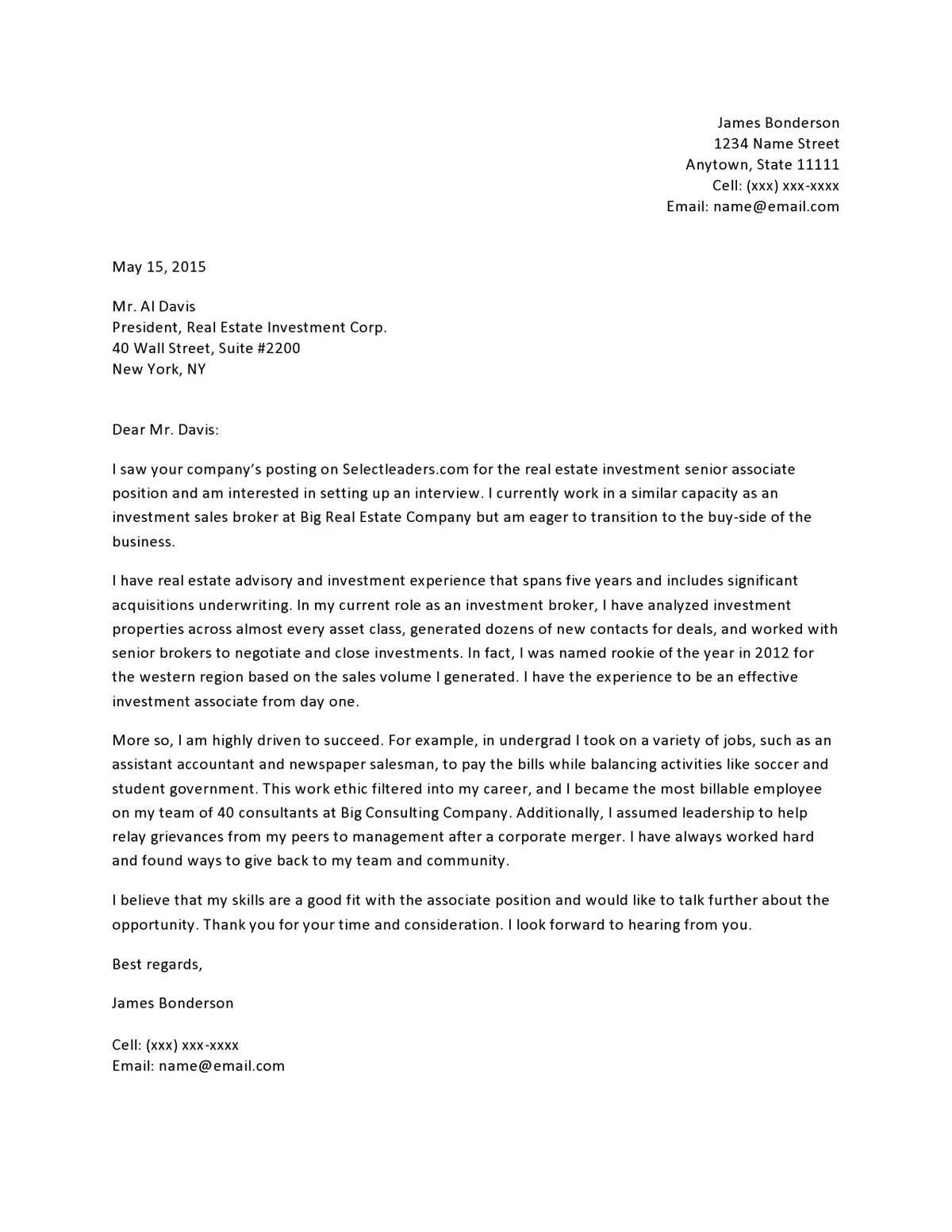
Cover Letter Secrets Unveiled
In the competitive job market, a well-crafted cover letter can be your secret weapon. It’s your chance to make a strong first impression, demonstrate your unique value, and convince the hiring manager that you’re the perfect fit for the role. This guide will unveil the secrets to writing a cover letter that not only gets read, but also lands you your dream job. From understanding the core purpose of a cover letter to avoiding common pitfalls, we’ll cover everything you need to know to create a compelling document that sets you apart from the competition. Prepare to transform your job application process with the power of a professionally written cover letter.
Why a Cover Letter Matters
While your resume provides a summary of your experience and skills, a cover letter allows you to tell your story and connect with the hiring manager on a personal level. It’s an opportunity to elaborate on your qualifications, explain your motivations, and showcase your personality. A strong cover letter complements your resume by highlighting specific achievements, demonstrating your understanding of the company, and expressing your genuine interest in the position. It shows that you’re not just sending out generic applications, but that you’ve taken the time to tailor your message to the specific job and company. Many hiring managers consider a cover letter essential. A well-written cover letter can significantly increase your chances of getting an interview, even if your resume isn’t perfect. Ignoring this crucial element can be a missed opportunity.
Highlighting Your Skills and Experience

Your cover letter is the ideal space to highlight the skills and experience that are most relevant to the job you’re applying for. Don’t just rehash your resume; instead, provide specific examples of how you’ve used your skills to achieve results in previous roles. Focus on the key requirements outlined in the job description and explain how your past experiences have prepared you to excel in this new position. Use action verbs to describe your accomplishments and quantify your achievements whenever possible. For instance, instead of saying ‘Managed social media accounts,’ write ‘Increased social media engagement by 30% within six months by implementing targeted content strategies.’ This provides concrete evidence of your capabilities and demonstrates your value to the potential employer.
Tailoring Your Letter to the Job
Generic cover letters are easily spotted and often discarded. To stand out, you must tailor each cover letter to the specific job and company you’re applying for. Carefully review the job description and identify the key requirements, skills, and qualifications the employer is seeking. Then, customize your letter to address these specific points, highlighting your relevant experiences and demonstrating how you meet the criteria. Show that you understand the company’s mission, values, and goals. This level of personalization shows that you’ve put in the effort, that you’re genuinely interested in the opportunity, and that you have a clear understanding of what the company needs. Use the job description as your guide. Consider it a roadmap for highlighting your qualifications and showcasing your suitability for the role.
Researching the Company
Before you begin writing your cover letter, take the time to research the company. Understanding their mission, values, recent news, and industry position will help you tailor your letter to resonate with the hiring manager. Visit the company’s website, explore their social media profiles, and read news articles about the organization. This research will provide valuable insights that you can incorporate into your cover letter, demonstrating your genuine interest and understanding of the company’s culture and goals. Mentioning specific projects, initiatives, or recent accomplishments of the company can demonstrate your awareness and enthusiasm. This extra effort shows you are proactive, engaged, and invested in potentially joining their team. This research is essential for writing a cover letter that genuinely reflects your interest.
Key Elements of a Strong Cover Letter

A strong cover letter is more than just a formality; it’s a strategic document designed to capture attention and make a compelling case for why you’re the ideal candidate. Each element, from the header to the closing, plays a crucial role in conveying your professionalism, showcasing your skills, and expressing your enthusiasm. Here are the essential components.
The Header Your Contact Information
Your header should include your name, address, phone number, and email address. Make sure the information is accurate, up-to-date, and easy to read. Consider using a professional-sounding email address. The header should be formatted consistently with your resume.
The Salutation Addressing the Hiring Manager
Avoid generic salutations like ‘To Whom It May Concern.’ Instead, try to find the name of the hiring manager or the person who will be reading your application. Research the company’s website, LinkedIn, or the job posting itself for this information. If you can’t find a specific name, use a professional alternative like ‘Dear Hiring Manager’ or ‘Dear [Department] Team.’ Personalizing your salutation shows that you’ve done your homework and that you’re genuinely interested in the position.
The Opening Hook Grabbing Attention

The opening paragraph is your chance to grab the reader’s attention and make them want to learn more about you. Start with a strong statement that highlights your interest in the position and briefly mentions your key qualifications. You can also express your enthusiasm for the company or the industry. Avoid clichés and generic phrases. Instead, craft a unique and engaging opening that immediately captures the reader’s interest and sets the tone for the rest of the letter.
Showcasing Your Value Demonstrating Skills
In the body of your cover letter, highlight your relevant skills and experience, using specific examples to demonstrate your achievements. Explain how your skills align with the job requirements and how you can contribute to the company’s success. Focus on the key skills and qualifications mentioned in the job description and provide concrete examples of how you’ve used those skills in the past. This is the heart of your cover letter. Use active voice and dynamic language to create a compelling narrative.
Quantifying Your Achievements Using Numbers
Whenever possible, quantify your achievements to provide tangible evidence of your impact. Use numbers, percentages, and data to demonstrate the results you’ve achieved in previous roles. For example, instead of saying ‘Improved customer satisfaction,’ write ‘Increased customer satisfaction scores by 15% through implementing a new feedback system.’ Quantifiable results make your accomplishments more compelling and provide concrete evidence of your value to the company. Data-driven achievements make a significant impact.
Expressing Enthusiasm and Fit

Show your genuine enthusiasm for the position and the company. Explain why you’re excited about the opportunity and how your goals align with the company’s mission and values. Demonstrate your understanding of the company’s culture and how you see yourself fitting in. Expressing your enthusiasm makes your letter more engaging and shows the hiring manager that you’re genuinely interested in the opportunity and the organization.
The Closing Strong Call to Action
End your cover letter with a clear call to action. Express your interest in an interview and provide your contact information again. Thank the hiring manager for their time and consideration. Make it easy for them to take the next step by providing a clear and direct call to action. Keep your closing concise and professional. This final impression can impact the next step in the hiring process.
Proofreading and Formatting
Before submitting your cover letter, proofread it carefully for any errors in grammar, spelling, and punctuation. Use a professional font and formatting, such as Times New Roman, Arial, or Calibri, with 1-inch margins and single-spaced text. Ensure that your cover letter is easy to read and visually appealing. Consider having a friend or colleague review your cover letter as a second set of eyes can often catch errors that you might miss. A polished and error-free cover letter demonstrates attention to detail and professionalism.
Common Cover Letter Mistakes to Avoid

Avoiding common mistakes is as crucial as including the essential elements. Many cover letters fall short due to easily avoidable errors. Being aware of these pitfalls can significantly increase your chances of making a positive impression. Identifying and rectifying them is crucial for success. Some of the most frequent mistakes can dramatically decrease your chances of being selected. The following is a comprehensive list of these common errors.
Overused Phrases and Clichés
Avoid using overused phrases and clichés that make your cover letter sound generic and uninspired. Phrases like ‘I am writing to express my interest’ or ‘I am a highly motivated individual’ are often seen as trite and don’t add any value. Use fresh and original language that reflects your personality and highlights your unique skills and experiences.
Ignoring the Job Description
Failing to address the specific requirements and qualifications listed in the job description is a major mistake. Your cover letter should demonstrate that you understand the job and that you possess the skills and experience needed to succeed. Customize your letter to the specific role and company. Ignoring the job description shows a lack of attention to detail and a lack of genuine interest in the opportunity.
Sending a Generic Letter

Sending a generic cover letter to multiple companies is a surefire way to get your application rejected. Hiring managers can easily spot generic letters and are more likely to be impressed by those that are tailored to the specific job and company. Take the time to research each company and customize your letter accordingly.
Tips for Different Job Types
The approach to writing a cover letter can vary depending on the type of job you’re applying for. Tailoring your cover letter to the specific requirements and expectations of each job type can significantly improve your chances of success. Consider these specific scenarios when writing your cover letter.
Cover Letters for Entry-Level Positions
If you’re applying for an entry-level position, focus on highlighting your education, relevant coursework, internships, volunteer experiences, and any transferable skills you’ve gained. Emphasize your enthusiasm, willingness to learn, and potential for growth. Be sure to demonstrate your understanding of the industry and the company. Highlight any projects or activities you’ve participated in that showcase your skills and initiative.
Cover Letters for Experienced Professionals
Experienced professionals should focus on showcasing their accomplishments and quantifiable results. Provide specific examples of how you’ve used your skills and experience to achieve success in previous roles. Emphasize your leadership skills, management experience, and any other relevant qualifications. Tailor the letter to the specific requirements of the job, and demonstrate your understanding of the company’s challenges and goals. Show how your expertise can contribute to their success.
Cover Letters for Career Changers
If you’re making a career change, address the reasons for your transition and highlight any transferable skills you have from your previous experience. Explain how your skills and experiences are relevant to the new field, even if they don’t directly align with the job description. Emphasize your willingness to learn, your adaptability, and your passion for the new field. Address any potential concerns the hiring manager might have about your career change directly and confidently.
Cover Letter Examples and Templates
Using cover letter examples and templates can be a helpful starting point, but remember to customize them to fit your specific needs and the job you’re applying for. Analyze successful cover letters to understand how they’re structured and how they highlight relevant skills and experiences. Here are some valuable resources to get you started:
Where to Find Cover Letter Templates
Many websites offer free cover letter templates that you can customize. Some popular sources include resume and career websites. When using a template, make sure to tailor it to the specific job and company. Always ensure that you present a unique message and do not simply use a template as is. You can create a strong cover letter using the template as a guide and incorporating the specific nuances of your experience and the job requirements. Tailor it to the job description.
Analyzing Successful Cover Letters
Read successful cover letters to learn how others have effectively communicated their qualifications and experiences. Pay attention to the structure, language, and tone of these letters. Analyze how the writers highlight their skills, quantify their achievements, and express their enthusiasm. Observing the structure, the tone, and the language used will provide insights into what makes a cover letter compelling and successful. Identify and integrate successful elements into your own letter. Identify and implement successful elements into your own writing. Analyzing cover letters can provide valuable insight.
Final Thoughts on Cover Letter Success
Writing a strong cover letter takes time and effort, but it’s an investment that can pay off significantly in your job search. By following the tips outlined in this guide, you can create a compelling cover letter that grabs the hiring manager’s attention, showcases your value, and helps you land your dream job. Remember to tailor each letter to the specific job and company, highlight your relevant skills and experiences, and proofread your work carefully. With the right approach, your cover letter can be your most effective tool in the job application process. Embrace these strategies to transform your application process.