What Is a Cover Letter and Why Do You Need One
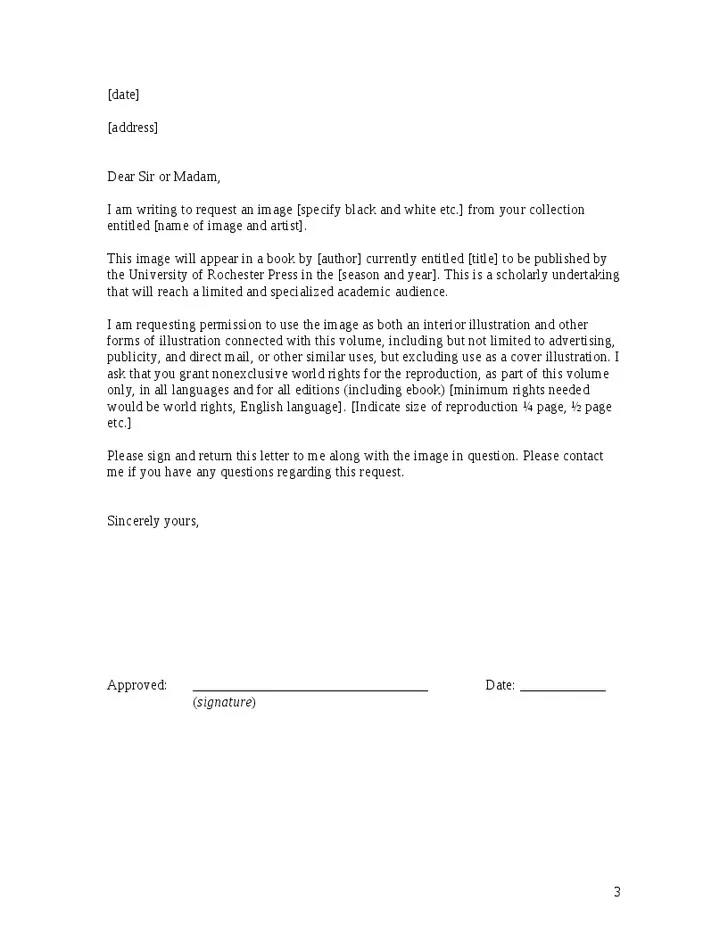
A cover letter is a crucial document in your job application, serving as your introduction to a potential employer. It’s your chance to make a strong first impression and persuade them to read your resume. Unlike your resume, which provides a snapshot of your skills and experience, your cover letter allows you to tell your story, explain why you’re interested in the specific role, and highlight how your qualifications align with the company’s needs. This is your opportunity to showcase your personality, enthusiasm, and communication skills. A well-crafted cover letter can significantly increase your chances of getting an interview, while a poorly written one can lead to your application being overlooked. The cover letter is essential for many reasons, first is that it will help you highlight your skills, share a quick background of who you are, and grab the attention of the hiring manager. If done right, the hiring manager will want to continue reading your resume.
Cover Letter Elements The Essentials
A compelling cover letter comprises several key elements, each playing a vital role in conveying your message effectively. These elements work together to create a cohesive narrative that showcases your qualifications and enthusiasm for the opportunity. By understanding and incorporating these essential components, you can significantly improve the impact of your cover letter and increase your chances of landing an interview. Your contact information, the date, the hiring manager’s contact information, salutation, the body paragraphs, complimentary close, and your signature are the elements you need to include in your cover letter. Making sure you include all the details will make sure that your cover letter is in good shape and ready to be reviewed by the hiring manager.
Your Contact Information and the Date
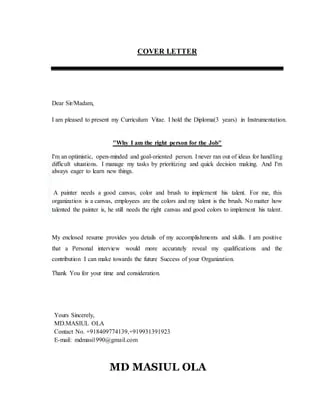
Begin your cover letter by including your contact information at the top. This typically includes your full name, address, phone number, and email address. This allows the hiring manager to easily reach out to you if they want to schedule an interview. Following your contact information, include the date. This helps to establish the date the letter was written, this helps the employer to know that your letter is up to date. Always make sure that the contact information is updated and correct, so that the hiring manager can connect with you when they are ready to.
Salutation Addressing the Hiring Manager
The salutation is the greeting of your cover letter and it sets the tone for your application. It’s important to address the hiring manager by name whenever possible. Researching the hiring manager’s name shows that you’ve taken the time to learn about the company and are genuinely interested in the role. If you can’t find a name, use a professional greeting like “Dear Hiring Manager” or “Dear [Department Name] Hiring Team”. Avoid generic greetings like “To Whom It May Concern”, as it can make your letter feel impersonal. Ensuring you address the hiring manager by name will give you an edge. It shows that you have done your research and are ready to connect. Also, make sure that the name is correct.
Body Paragraphs Highlighting Your Skills
The body paragraphs are the heart of your cover letter, where you highlight your skills, experience, and enthusiasm for the role. The goal is to convince the hiring manager that you’re the ideal candidate. Structure your body paragraphs logically, starting with an engaging introduction, followed by compelling details about your qualifications, and ending with a strong call to action. Each paragraph should focus on a specific aspect of your qualifications, making sure to provide concrete examples to support your claims. Tailor each letter to the specific job description and the company’s needs to demonstrate your genuine interest. Always make sure you review the job description to make sure you are hitting the key points that they are looking for.
First Paragraph Grab Their Attention

Start your cover letter with an impactful opening paragraph. The first paragraph should capture the reader’s attention and immediately convey your interest in the role. Clearly state the position you are applying for and where you found the job posting. Briefly mention why you are excited about the opportunity and what makes you a good fit. Consider using a hook to grab their attention, such as a brief anecdote, a compelling statement about your skills, or a reference to something specific about the company that resonates with you. Make sure your first paragraph is concise and engaging, encouraging the reader to continue reading. Your first paragraph is the most important paragraph because that is what can get you in the door. When the hiring manager sees your cover letter, they are going to read the first paragraph to see if it’s worth it.
Second Paragraph Show Your Value
In the second paragraph, showcase your relevant skills and experiences. This is where you demonstrate why you’re a strong candidate. Highlight key accomplishments, and provide specific examples to support your claims. Quantify your achievements whenever possible to show the impact you’ve made in previous roles. Tailor your response to the job description by mentioning the skills and experiences that align with the requirements of the position. Make sure that the details you include are specific and showcase what you can offer the company. The hiring manager will be looking for how you have helped the previous companies you worked at. This is where you sell yourself and convince them that you can do the job.
Third Paragraph Closing and Call to Action
The third paragraph should conclude your cover letter by reiterating your interest in the position and summarizing why you’re a great fit. Express your enthusiasm for the opportunity and your understanding of the company’s mission. Include a call to action, such as asking for an interview. Thank the hiring manager for their time and consideration. Make sure to keep the closing paragraph brief and professional, reinforcing your interest in the role. This is the last impression the hiring manager will have, make it count. Tell them why you want this job and make sure to let them know that you are looking forward to hearing from them soon.
Complimentary Close and Signature
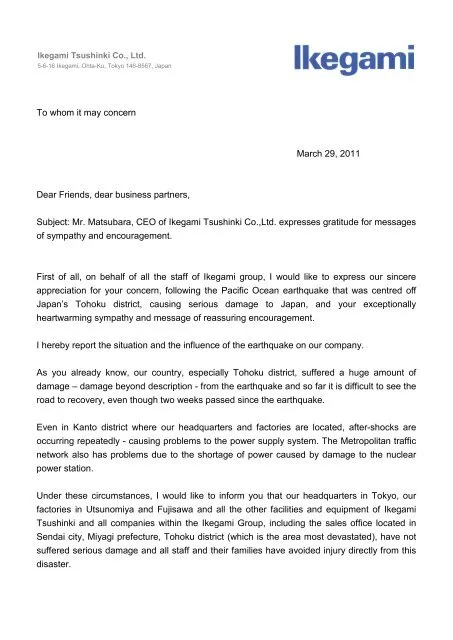
End your cover letter with a professional closing. Common options include “Sincerely”, “Best regards”, or “Thank you”. After the closing, include a space for your signature if you’re sending a physical copy, or type your full name if submitting electronically. This adds a final touch of professionalism and confirms your commitment to the application. Remember to proofread your letter one last time before submitting to make sure everything is in order and the format is correct. Making sure everything is correct is crucial so that you can leave a positive impression. A good cover letter will take you far in your job search.
Formatting Your Cover Letter
Formatting your cover letter is essential for readability and professionalism. A well-formatted cover letter is easy to read, visually appealing, and reflects your attention to detail. Pay close attention to font, spacing, and file type to create a polished document. Always keep a professional look and feel when creating your cover letter. Consider this is your introduction to the hiring manager, and you must leave a good first impression.
Font and Spacing for Readability
Choose a professional and easy-to-read font like Times New Roman, Arial, or Calibri. Keep the font size between 10 and 12 points to ensure the text is clear and legible. Use single or 1.15 line spacing and leave adequate margins (1 inch on all sides) to provide visual space and prevent the document from appearing cluttered. Proper font and spacing enhance readability and help the hiring manager focus on your content. When using a font, make sure that it is easy to read and easy on the eyes. Try to keep the same font for all the details. Formatting is key when writing a good cover letter.
File Type and Naming Conventions

Save your cover letter as a PDF file to ensure that your formatting remains consistent across different devices and operating systems. This prevents any issues with the layout or formatting that might arise if the recipient opens the document in a different word processor. When naming your file, use a clear and professional naming convention. Include your full name and the title “Cover Letter”, for example, “JaneDoeCoverLetter.pdf”. This will help the recruiter easily identify your document and keep your application organized. The name should be clear, concise and easy to find in the system. Be mindful of your naming, it will help you land the job.
Proofreading for Errors
Proofreading your cover letter is essential to eliminate any errors that could detract from your professionalism. Check for spelling, grammar, and punctuation errors. Make sure your sentences are well-structured and the information is accurate. Read the letter aloud to catch any awkward phrasing or grammatical mistakes. Use spell-check and grammar-check tools, but also rely on your own critical eye. Ask a friend, family member, or career advisor to review your cover letter for a fresh perspective. A polished, error-free cover letter demonstrates your attention to detail and commitment to producing high-quality work. Never send out your cover letter without checking it a couple of times. Proofreading is an important step when writing a cover letter.
Common Cover Letter Mistakes to Avoid
Avoiding common mistakes is vital for making a positive impression with your cover letter. These errors can undermine your credibility and reduce your chances of securing an interview. Being aware of these pitfalls and taking steps to avoid them will help you create a more impactful and effective cover letter. Many people make mistakes on their cover letters, so avoiding them is a must.
Generic or Unenthusiastic Language

Avoid using generic and unenthusiastic language. A generic cover letter often lacks specific details about your experiences and the company. It fails to demonstrate your genuine interest in the role. Instead, tailor your letter to the specific job description and company. Show enthusiasm by expressing your excitement about the opportunity and explaining why you are the right fit. Use strong verbs, action words, and specific examples to showcase your skills and accomplishments. Demonstrate that you’ve researched the company and that you’re genuinely excited about the prospect of working there. A generic cover letter is boring and may result in the hiring manager moving to the next candidate. Make sure to make your cover letter as personal as you can. This will show that you actually want the job.
Typos and Grammatical Errors
Typos and grammatical errors can make your cover letter look unprofessional and can negatively affect your chances of getting an interview. Proofread your cover letter carefully to ensure that all words are spelled correctly and grammar is accurate. Always check your work before submitting your cover letter. Use spell-check and grammar-check tools, but don’t solely rely on them. Read your letter aloud to catch any errors that might be missed while scanning. Ask a friend or family member to review your letter for a fresh perspective. A polished, error-free cover letter demonstrates your attention to detail and professionalism. Always ensure that the details you write are accurate and checked before sending your cover letter.
Lack of Customization
Do not submit a generic cover letter that could be sent to any employer. Customization is essential for showcasing your interest in the specific role. Tailor your cover letter to the specific job description and the company. Highlight the skills and experiences that align with the job requirements, and express your understanding of the company’s needs. Mention specific aspects of the company that resonate with you, such as their mission, values, or recent projects. Personalize your letter to demonstrate that you’ve taken the time to research the company and that you are genuinely interested in the opportunity. Lack of customization can make your letter appear impersonal and disinterested.
Not Following Instructions

Always carefully read and follow the instructions provided in the job posting. This may include formatting requirements, specific details to include, or a particular method for submitting your application. Failing to follow instructions can indicate a lack of attention to detail and a disregard for the employer’s preferences. Always adhere to all instructions provided to increase your chances of being considered for the role. A well-crafted cover letter has many steps and it is very important to follow them to the letter. Ignoring instructions can make the hiring manager disregard your application.
Examples of Effective Cover Letters
Reviewing examples of effective cover letters can help you understand the best practices and format. There are several great cover letter examples online. Study how other successful applicants have structured their letters, highlighted their skills, and expressed their interest in the role. Analyze the language, tone, and style used in these examples to gain inspiration and guidance. Adapt these examples to suit your own qualifications and the specific job you are applying for. Using good examples and studying them will make you confident that you will do well. Reading and studying cover letters can give you an advantage when it is your turn to write one.