Why Cover Letters Still Matter
In an age of online applications and streamlined hiring processes, it’s easy to wonder if the cover letter still holds its weight. The answer, according to Ask a Manager and many hiring professionals, is a resounding yes. While a strong resume is crucial, a well-crafted cover letter provides the opportunity to showcase your personality, demonstrate your understanding of the role, and explain why you’re the perfect fit. It allows you to connect your skills and experience directly to the job requirements and express your enthusiasm for the opportunity. Ignoring the cover letter means missing a valuable chance to make a positive first impression and differentiate yourself from other candidates. Many hiring managers still read and value cover letters, using them to assess a candidate’s communication skills, attention to detail, and genuine interest in the position. Thus, cover letters remain essential for a successful job search.
The Purpose of a Cover Letter
The primary purpose of a cover letter is to introduce you to the hiring manager and explain why you are a suitable candidate for the job. It’s not just a repetition of your resume; it’s a chance to tell your story and make a case for why the employer should consider you. A well-written cover letter highlights your key skills and accomplishments, connecting them directly to the specific requirements of the job. It should show that you understand the company’s needs and that you’ve researched the organization. By demonstrating your knowledge of the role and the company, you indicate your genuine interest and motivation, making you a more appealing candidate. Essentially, the cover letter serves as a bridge, connecting your qualifications to the employer’s needs and making a compelling argument for why you deserve an interview. This is a valuable tool in any job search strategy.
Cover Letters: Your Chance to Shine

Think of your cover letter as a marketing tool. It’s your chance to sell yourself, highlighting your unique qualities and the value you bring to the table. While a resume lists your experience and skills, the cover letter provides context and allows you to elaborate. Use this opportunity to showcase your personality, passion, and communication skills. A compelling cover letter shows you’re not just qualified, but that you are also a good fit for the company culture. It is your opportunity to make a great first impression. Remember, hiring managers often read cover letters before they look at resumes. Make sure that your cover letter is well-written, engaging, and tailored to the specific job. Let your enthusiasm shine through, and demonstrate why you’re the ideal candidate. This proactive approach significantly increases your chances of success in the job application process. This allows you to show why you’re not just qualified, but an asset.
Key Components of a Strong Cover Letter
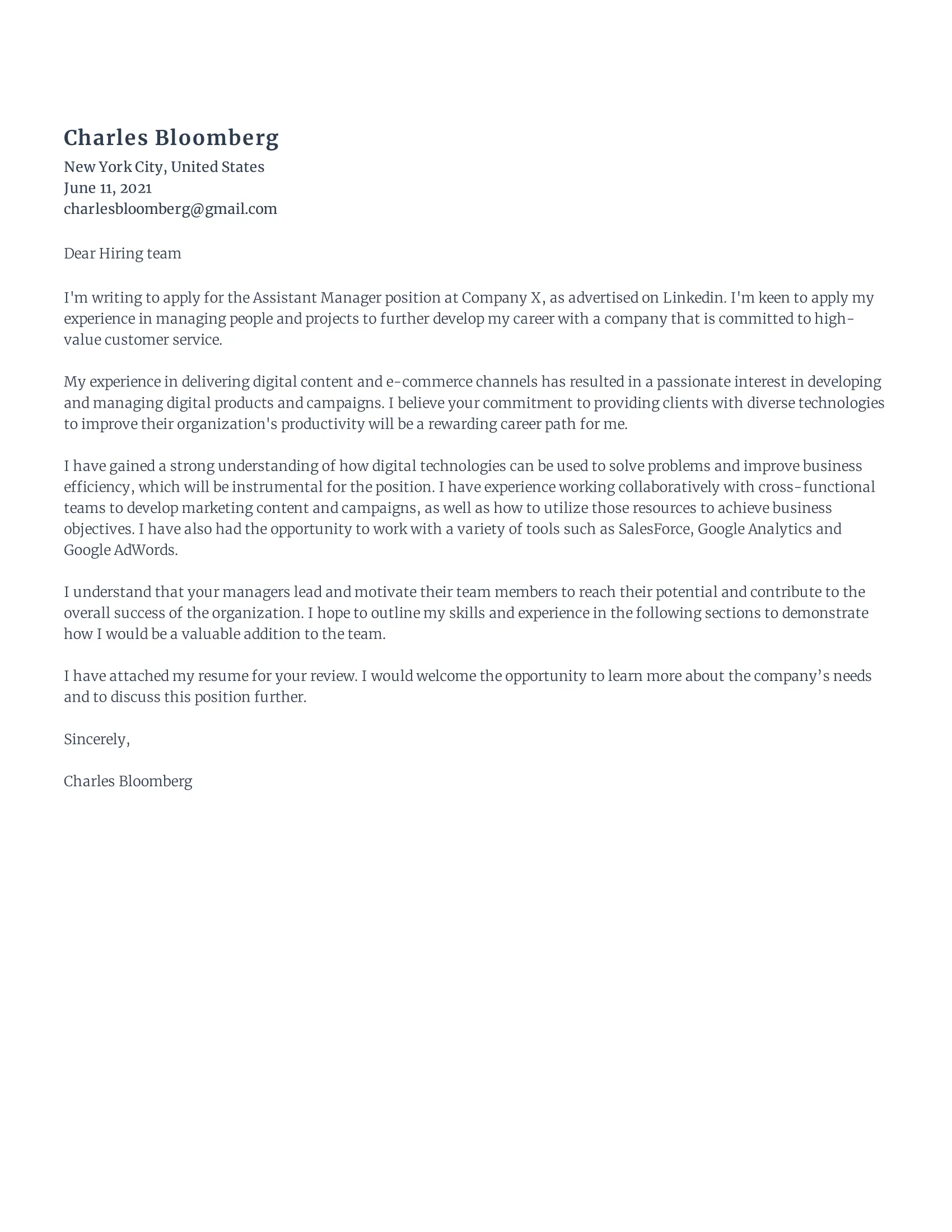
A strong cover letter typically includes several key components. Start with a professional heading that includes your contact information and the date. Address the letter to the hiring manager by name, if possible. The body of the letter should be structured into clear paragraphs. Begin with a compelling opening that grabs the reader’s attention, stating the position you’re applying for and where you found it. The middle paragraphs should highlight your relevant skills and experience, aligning them with the job requirements. Provide specific examples of your accomplishments and quantify them whenever possible. In your closing paragraph, reiterate your interest, thank the hiring manager for their time, and state your availability for an interview. Proofread the entire letter carefully for any errors in grammar or spelling. A well-structured, error-free cover letter can significantly increase your chances of being selected for the job.
Formatting Your Cover Letter for Success
Formatting your cover letter is crucial for readability and professionalism. Use a clean and easy-to-read font, such as Times New Roman, Arial, or Calibri, and keep the font size between 10 and 12 points. Set margins to 1 inch on all sides. Keep the letter concise, ideally no more than one page. Use single spacing within paragraphs and double spacing between paragraphs to create visual clarity. Break up long blocks of text into shorter paragraphs to maintain the reader’s interest. Use bullet points when necessary to highlight key skills or accomplishments. Proofread your cover letter multiple times to ensure there are no typos or grammatical errors. Consistent formatting creates a professional look and helps make your application a great success. A well-formatted cover letter shows attention to detail and professionalism.
Ask a Manager’s Formatting Advice

According to Ask a Manager, a well-formatted cover letter is essential for making a good first impression. She emphasizes the importance of using a standard, easy-to-read font. Avoid overly creative or unusual fonts, which can distract from your content. Ask a Manager also suggests keeping your cover letter concise, usually one page. She recommends using clear and concise language, avoiding jargon and overly complex sentences. Use bullet points to highlight key skills or achievements, making it easier for the reader to scan the letter. Always address the hiring manager by name, if possible, and tailor your letter to the specific job. The key is to create a document that is easy to read, professional, and tailored to the job. Following these guidelines can make a huge difference. Also, remember to proofread your cover letter meticulously before sending it.
Crafting a Compelling Opening
The opening paragraph of your cover letter is crucial, as it sets the tone and captures the reader’s attention. Start by clearly stating the position you are applying for and where you saw the job posting. Then, immediately highlight your most relevant skill or experience that aligns with the job requirements. You want to grab the reader’s attention quickly. You can also express your enthusiasm for the company and the role. This shows that you are eager to be considered for the role. Avoid generic openings like “I am writing to express my interest…” Instead, try a more specific and engaging approach, such as mentioning a recent company achievement or referencing a specific project. The goal is to make the hiring manager want to read more, so make sure that the opening is both concise and intriguing. This approach is more effective in capturing the reader’s attention.
Highlighting Relevant Skills and Experience
The main body of your cover letter should demonstrate how your skills and experience align with the job requirements. Carefully review the job description and identify the key skills and qualifications the employer is seeking. Then, select the relevant skills and experiences from your background that directly match those requirements. Instead of simply listing your skills, provide specific examples of how you’ve used them in previous roles. Use the STAR method (Situation, Task, Action, Result) to describe your accomplishments. Briefly describe the situation you were in, the task you had to complete, the actions you took, and the results you achieved. Quantify your achievements whenever possible. This makes your accomplishments more concrete and measurable. By connecting your skills and experiences directly to the job requirements, you show the hiring manager that you are a strong fit for the role and are ready to contribute from day one. This tailored approach is key.
Quantifying Achievements to Impress

Quantifying your achievements is a powerful way to demonstrate your value to a potential employer. Instead of making general statements about your skills, use numbers and data to show the impact of your work. For example, instead of saying “Improved customer satisfaction,” say “Increased customer satisfaction by 15% through implementing a new feedback system.” If you increased sales, specify the percentage or dollar amount of the increase. If you saved the company money, indicate the amount saved. Quantifying your achievements provides concrete evidence of your abilities and makes your cover letter more compelling and memorable. Use metrics to prove your impact. This also allows the hiring manager to understand the tangible benefits you can bring to their organization. Use numbers and data to back up your claims.
Demonstrating Your Enthusiasm
Showing genuine enthusiasm for the company and the role is essential for creating a positive impression. Your cover letter should convey your excitement about the opportunity and your interest in the organization. Research the company and the role beforehand. Refer to specific projects, products, or values that resonate with you. Show that you’ve taken the time to learn about the company and understand its mission. In your cover letter, mention why you’re drawn to the company and the specific aspects of the role that excite you. Avoid generic statements, and personalize your letter to show that you’re genuinely interested in the opportunity. If possible, mention how your goals align with the company’s goals. Demonstrating your enthusiasm sets you apart and shows the hiring manager that you are truly invested in the opportunity. This will help the hiring manager to view you more positively.
Closing Your Cover Letter Effectively
The closing paragraph of your cover letter should leave a lasting positive impression and encourage the hiring manager to take the next step. Reiterate your interest in the position, and thank the hiring manager for their time and consideration. Express your availability for an interview and provide your contact information. Consider including a call to action. Something such as ‘I look forward to discussing my qualifications further’ or ‘I am available for an interview at your earliest convenience.’ Proofread the entire letter one last time to make sure there are no errors. A well-written closing provides closure and encourages the hiring manager to take action. This final touch leaves a positive impression and increases your chances of getting an interview.
Avoiding Common Cover Letter Mistakes

Avoiding common cover letter mistakes is crucial for making a positive impression. Typos, grammatical errors, and poor formatting can make you look unprofessional. Generic or vague statements that don’t relate to the specific job or company are a major turn-off. Failing to tailor your cover letter to the specific job or ignoring the job description shows a lack of attention to detail and a lack of interest. Sending a cover letter to the wrong person is another common mistake. Always address the cover letter to the correct hiring manager, and make sure you’re applying for the right role. Proofread your cover letter multiple times. Ensure that it aligns with the specific requirements of the job. These errors can make you look careless. By avoiding these common mistakes, you increase your chances of landing an interview.
Typos and Grammatical Errors
Typos and grammatical errors are some of the easiest ways to damage your credibility. These errors can be distracting and make you appear careless and unprofessional. Always proofread your cover letter carefully before sending it. Use spell check and grammar check tools, but don’t rely on them entirely. Have a friend or family member review your cover letter as a fresh set of eyes can often catch mistakes you might miss. Pay close attention to the details, ensuring that your spelling, grammar, and punctuation are correct. Typos and grammatical errors are easily avoidable. They can significantly detract from the overall impact of your cover letter.
Generic or Vague Statements
Generic or vague statements fail to impress hiring managers. Avoid using clichés or general phrases that don’t relate to the specific job or company. The point is to make your cover letter unique to the company. Instead, provide specific examples and quantifiable achievements that demonstrate your skills and experience. Tailor your cover letter to the specific job description and highlight how your skills and experience align with the requirements. Use action verbs and showcase your accomplishments in a concise and compelling way. Hiring managers want to see concrete evidence of your skills and abilities, not generalities. Show, don’t tell, them what you have done.
Ignoring the Job Description

Ignoring the job description is a major misstep. The job description provides valuable information about the required skills, experience, and qualifications. When writing your cover letter, carefully review the job description and identify the key requirements. Use the same language and terminology as the job description to show that you understand the role. Directly address the required skills and provide specific examples of how you have demonstrated them in previous roles. By tailoring your cover letter to the specific job requirements, you demonstrate your attention to detail, your interest in the role, and your understanding of what the company is looking for. Not doing so shows a lack of attention to detail.
Sending a Cover Letter to the Wrong Person
Sending your cover letter to the wrong person is a mistake that can make a bad first impression. Always address your cover letter to the hiring manager or the appropriate contact person. If you’re unsure who to address the letter to, research the company and find out the hiring manager’s name. It shows that you have taken the time to research the company and you care about the application. If you cannot find the hiring manager’s name, use a general greeting, such as “Dear Hiring Manager.” Avoid using generic greetings. Making sure that the cover letter is addressed to the correct person demonstrates that you are detail-oriented and that you care about making a good impression. This is a common error that can be easily avoided.
Cover Letter Examples that Work
Reviewing successful cover letter examples is an excellent way to learn and improve your own cover letter. Look for examples that are tailored to specific industries or roles, and pay attention to how the writers highlight their skills and experience. Analyze the structure, formatting, and language used in the successful examples. See how the writers make their case. Notice how they effectively communicate their qualifications and enthusiasm. There are many online resources and websites that provide sample cover letters, including Ask a Manager. Use these examples as inspiration and guidance. Tailor the content to your own background and the specific job requirements. Learning from successful examples is a good way to refine your writing. Then you will be on your way to success.
Analyzing Successful Cover Letters

When analyzing successful cover letters, pay attention to key elements that contribute to their effectiveness. First, look at how the writer opens the letter. Is the opening concise and engaging? Does it capture the reader’s attention? Then, examine how the writer highlights relevant skills and experience. Does the writer provide specific examples and quantify their achievements? Does the writer follow the STAR method? Pay close attention to the tone and language used in the letter. Is it professional, enthusiastic, and tailored to the job? Does it feel too generic or vague? What about the structure and formatting? Is the letter easy to read and well-organized? Look at the closing, is it effective and encourages the reader to take action? By analyzing these elements, you can learn what makes a cover letter successful and apply those principles to your own writing.
Adaptable Templates and Structures
Adaptable templates and structures can save you time and effort when writing your cover letter. Many websites and resources offer cover letter templates. Look for templates that are well-designed, easy to customize, and suitable for your industry and experience level. Use these templates as a starting point. Tailor the content to your own background and the specific job requirements. Adapt the structure as needed to fit your needs. Experiment with different templates to find one that suits your style and communicates your qualifications effectively. Adaptable templates can provide a solid foundation for your cover letter. However, it is still important to personalize the template to match your own experience and skills. Always tailor your cover letter to the specific job and company. This makes sure it stands out.
Final Thoughts and Next Steps
Writing a compelling cover letter is an essential part of the job search process. Your cover letter is an opportunity to introduce yourself to the hiring manager. Your cover letter is not just a summary of your resume, but a chance to highlight your relevant skills, experience, and enthusiasm for the role. Remember to tailor your cover letter to each job application, highlighting the key requirements and showcasing your achievements. Proofread your cover letter carefully to avoid common mistakes. By following these tips, you can create a cover letter that will impress hiring managers and increase your chances of landing an interview. Your cover letter is a reflection of you, so make it shine. Now, go forth and craft a cover letter that gets you noticed and helps you get that job.