Cover Letter for Professor Assistant
A cover letter is your initial introduction to a potential employer and can significantly impact whether your application is considered. For a professor assistant position, a well-crafted cover letter is crucial. It allows you to showcase your qualifications, express your interest in the role, and demonstrate why you are the ideal candidate. A strong cover letter goes beyond simply restating your resume; it tells a compelling narrative that highlights your relevant skills, experiences, and enthusiasm for the position. This guide provides secrets to crafting a cover letter that stands out and increases your chances of securing an interview. Throughout this guide, we’ll explore the key elements of a successful cover letter, common mistakes to avoid, and strategies to make your application shine.
Understanding the Role of a Professor Assistant
Before diving into cover letter strategies, it’s essential to understand the responsibilities of a professor assistant. This understanding will help you tailor your letter effectively. The role of a professor assistant varies depending on the department and the professor’s needs, but common responsibilities include supporting research, assisting with administrative tasks, preparing teaching materials, and communicating with students and other staff. A professor assistant needs to be organized, detail-oriented, and possess excellent communication skills, both written and verbal. Moreover, they must demonstrate a strong work ethic and the ability to work independently as well as collaboratively. Understanding the core aspects of the role allows you to highlight relevant experiences and skills within your cover letter, thus positioning you as a suitable candidate.
Key Responsibilities of a Professor Assistant

Typical tasks of a professor assistant involve research support, such as literature reviews, data collection, and analysis. Administrative duties might include scheduling meetings, managing correspondence, and preparing presentations. Teaching responsibilities could entail grading assignments, preparing course materials, and assisting with lectures. Communication with students is another crucial aspect, which includes answering questions, providing feedback, and maintaining communication through emails. The responsibilities listed are often a function of the professor’s requirements and the specific department or institution. Therefore, your cover letter should address each key responsibility you are prepared to take on, demonstrating alignment with the job’s specific needs and a clear grasp of the position.
Why a Strong Cover Letter Matters
In the academic world, where competition is fierce, a strong cover letter makes you stand out from other applicants and significantly impacts the hiring decision. A cover letter gives you a chance to tell your story, highlighting your passion and linking your skills and experiences to the specific requirements of the position. It helps you clarify your suitability for the role. A well-written cover letter allows the hiring committee to understand your personality, work ethic, and enthusiasm beyond the details presented in your resume. It demonstrates your attention to detail, communication skills, and genuine interest in the role and institution. Without a strong cover letter, your application might be overlooked, as it may seem impersonal or lack a clear connection to the desired position. A cover letter should be treated as your marketing tool that elevates you above other candidates.
Elements of a Great Cover Letter
Formatting Your Cover Letter Correctly

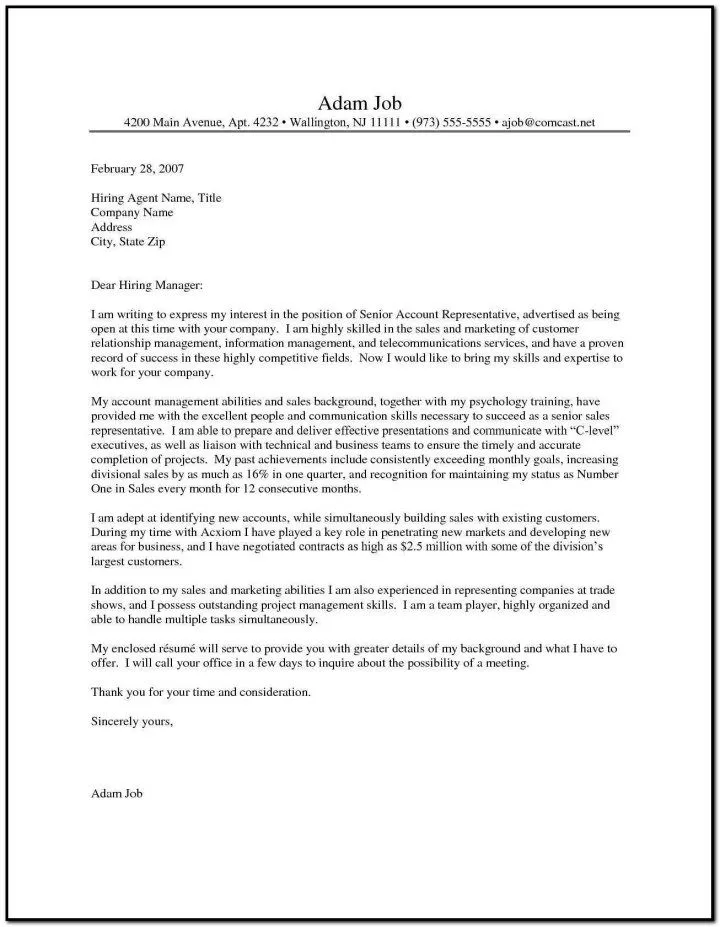
Proper formatting is vital for creating a professional and readable cover letter. Use a standard font like Times New Roman, Arial, or Calibri, with a font size between 10 and 12 points. Maintain single spacing within paragraphs and add a line of space between paragraphs. Use left alignment and avoid justifying the text. Your cover letter should fit on one page, unless specifically required by the job posting. Proper formatting enhances readability and shows you have attention to detail. A well-formatted letter is visually appealing and reflects your professionalism, making it easy for the reader to focus on your content. Always proofread to ensure consistent formatting and a polished appearance.
Contact Information and Date
Start your cover letter with your contact information, including your name, address, phone number, and email address. Place this information at the top left or right corner of the page. Then, include the date below your contact information. Following this, add the recipient’s contact information, usually the professor’s or hiring manager’s name, title, department, and university address. Ensure you address the correct person and use their title respectfully. This initial section establishes your identity and the recipient’s, setting a professional tone for the letter. Including accurate contact information enables prompt communication, while the date shows the letter is current.
Professional Salutation
Use a formal salutation, such as “Dear Professor [Last Name]” or “Dear Dr. [Last Name].” If you do not know the name of the hiring manager, use a general salutation, such as “Dear Hiring Committee” or “Dear Search Committee.” Avoid casual greetings like “Hi” or “Hello.” Always spell the recipient’s name correctly. Using a professional salutation sets the correct tone and respects the hiring committee. This is especially important in the academic world, where titles and formalities are often observed. A well-crafted salutation shows that you have researched the person and are genuinely interested in the position.
Opening Paragraph — Captivate Your Reader

The opening paragraph is the first impression, which needs to captivate the reader. Start with a strong statement that grabs their attention, such as expressing your enthusiasm for the position. State the specific role you are applying for and where you found the job posting. Briefly mention why you are a good fit for the role. A compelling opening should clearly state your intent, highlight a key skill or achievement, and immediately convey your interest in the opportunity. Make your opening concise and focused, setting the tone for the rest of your letter. You can directly state your intent to bring enthusiasm for the position.
Highlighting Relevant Skills and Experiences
In the body of your cover letter, highlight the skills and experiences that make you a strong candidate. Focus on the skills and experiences that are most relevant to the specific requirements of the professor assistant position. Use specific examples from your past experiences to demonstrate your abilities. Instead of just listing your skills, provide evidence of how you have utilized them and the results you achieved. Tailor each point to align with the job description. This helps the hiring committee envision you in the role and understand your value proposition. This demonstrates your experience and your value as a candidate.
Showcasing Research Experience
If the professor assistant role involves research, showcase your research experience prominently. Describe any research projects you have been involved in, your specific role, and the outcomes. Quantify your contributions whenever possible. For example, mention the number of studies you have conducted, the papers you have co-authored, or the data analysis techniques you are familiar with. Highlight skills like literature review, data collection, analysis, and interpretation. If you have experience with specific research methodologies or software, mention them. Showing research experience will prove to the reader that you’re a good fit for this kind of role. Show the reader you understand the details of research.
Demonstrating Organizational Skills

Organizational skills are crucial for a professor assistant role. Provide examples of how you have managed multiple tasks, met deadlines, and maintained detailed records. Mention any experience with scheduling, managing calendars, and organizing meetings. Highlight your ability to prioritize tasks and work efficiently under pressure. Consider mentioning project management software or organizational tools you are familiar with. Providing concrete examples of your organizational capabilities proves you can handle the administrative and support tasks effectively. Show the reader that you have the capacity to organize information and work efficiently. Demonstrate how you organize your time.
Emphasizing Communication and Interpersonal Skills
Effective communication is critical for interacting with students, faculty, and staff. Describe your ability to communicate clearly and professionally, both verbally and in writing. Provide examples of presentations, reports, or correspondence you have created. Emphasize your interpersonal skills, such as your ability to work collaboratively, resolve conflicts, and build relationships. Highlight any experience with teamwork or mentoring. Make it clear you can work effectively with a diverse group of individuals. Showing that you can interact with others clearly shows your ability to manage and interact within teams.
Quantifying Achievements
Whenever possible, quantify your achievements. Instead of saying you “managed projects,” state how many projects you managed and the results. For example, “Managed five research projects, resulting in three publications.” Use numbers, percentages, and specific metrics to demonstrate the impact of your contributions. Quantifying your achievements adds credibility to your claims and provides tangible evidence of your abilities. This data makes it easier for the hiring committee to assess your impact. Quantifying your achievements offers a concise view of your accomplishments.
Closing Your Cover Letter with Impact

Expressing Enthusiasm
End your cover letter with a strong closing paragraph that expresses your enthusiasm for the position and the opportunity. Reiterate your interest in the role and the institution. Briefly summarize why you are a good fit, highlighting your key qualifications. Tailor your closing to the specific job and professor. Expressing enthusiasm shows that you are passionate about the role. This creates a positive impression and motivates the hiring committee. A strong closing encourages the reader to take action, increasing your chances of moving forward in the hiring process.
Call to Action
Include a call to action in your closing paragraph. Request an interview and express your willingness to discuss your qualifications further. Thank the reader for their time and consideration. Provide your contact information again for easy access. A clear call to action makes it easier for the hiring committee to respond. It shows your initiative and your eagerness to advance your application. End your cover letter by saying that you look forward to hearing from them.
Proofreading and Editing Your Cover Letter

Proofreading and editing your cover letter is a crucial step that ensures your professionalism and attention to detail. Carefully review your letter for any grammatical errors, spelling mistakes, and typos. Ensure your sentences are clear, concise, and easy to understand. Read your cover letter aloud to catch any awkward phrasing. Have someone else review your letter to provide a fresh perspective. A polished, error-free cover letter demonstrates your strong communication skills and attention to detail. Proofreading is an essential step in presenting a professional and effective cover letter. This attention to detail reflects well on you.
Common Mistakes to Avoid
Not Tailoring Your Letter to the Specific Position
One of the biggest mistakes is failing to tailor your cover letter to the specific position. Generic cover letters that are sent to multiple positions without modification are easily recognized and often discarded. Carefully read the job description and identify the specific skills and experiences the employer is seeking. Customize your cover letter to highlight how your qualifications align with the job requirements. Show your genuine interest by addressing the specific needs of the professor and the department. Tailoring your cover letter demonstrates your attention to detail and your understanding of the role.
Using Generic Language
Avoid using generic language that could apply to any job. Use specific examples and data. Instead of saying you’re a “hard worker,” provide examples. Use action verbs to describe your accomplishments. Show, don’t tell, by providing concrete evidence. Specific language makes your cover letter more compelling. It will show the reader that you are able to perform tasks as expected. Highlighting the experiences that make you suitable for this role.
Overlooking Proofreading Errors
Ignoring proofreading errors can undermine your credibility. Grammatical mistakes, spelling errors, and typos detract from your professionalism and may give the impression that you lack attention to detail. Always proofread your cover letter carefully before submitting it. Use spell-check and grammar-check tools, but also read the letter aloud to catch any awkward phrasing. Ask a friend or colleague to review your cover letter for errors. It’s crucial to get everything correct. Your cover letter must be free of errors.
Tips for Standing Out from the Crowd
Researching the Professor and Department
Researching the professor and the department is essential to making your cover letter more targeted and impressive. Visit the university’s website and read the professor’s publications. Show your knowledge of their research interests. Mentioning specific projects or publications demonstrates that you are genuinely interested and have taken the time to learn about their work. This level of personalization makes your cover letter stand out. This can help you show a more targeted focus on your application.
Showcasing a Unique Skill or Experience
Highlight any unique skills or experiences that set you apart from other applicants. This could be specialized knowledge, a particular software proficiency, or experience in a niche area. If you have a unique background or a skill that is highly valued in the field, make sure to mention it prominently. Adding a unique skill will showcase your value and demonstrate that you can make a difference. Including specific skills makes you a more interesting candidate.
Including a Portfolio or Relevant Samples
If applicable, consider including a portfolio or relevant samples of your work. This is particularly useful if the professor assistant role involves writing, research, or design work. Providing samples allows the hiring committee to see your work directly and assess your skills. Ensure that your samples are well-organized, relevant to the position, and of high quality. A portfolio or samples can significantly strengthen your application. This is your chance to show the quality of your work.
Cover Letter Examples and Templates
Where to Find Examples and Templates
There are many resources available online to help you create a strong cover letter. Websites like Indeed, LinkedIn, and university career services often provide cover letter examples and templates. You can also find samples by searching for “professor assistant cover letter examples.” Reviewing these examples can provide inspiration. This can help you understand the best practices of cover letters. Consider these examples as a starting point and adjust them based on your own qualifications and the specific job requirements. Use any resource to build your own cover letter.
Adapting Templates to Your Needs
While templates can provide a helpful structure, it’s important to adapt them to your needs. Do not simply copy and paste a template. Tailor the template to highlight your unique skills, experiences, and the specific requirements of the job. Replace generic phrases with specific examples and data. Customize the language and tone to reflect your personality and enthusiasm. Adapting templates to your needs ensures that your cover letter is personal and reflects your individuality. Templates are your starting point. The cover letter needs to be about you.
Final Thoughts
Writing a compelling cover letter is a crucial step in securing a professor assistant position. By understanding the role, highlighting relevant skills and experiences, and avoiding common mistakes, you can significantly increase your chances of getting an interview. Always tailor your cover letter to the specific requirements of the job and the professor. Remember to proofread and edit carefully, showcasing your professionalism and attention to detail. A well-crafted cover letter can be the key to opening doors to academic success. Take the time to craft an amazing cover letter, and you will improve your chances of securing the position.