Cover Letter Samples Project Manager
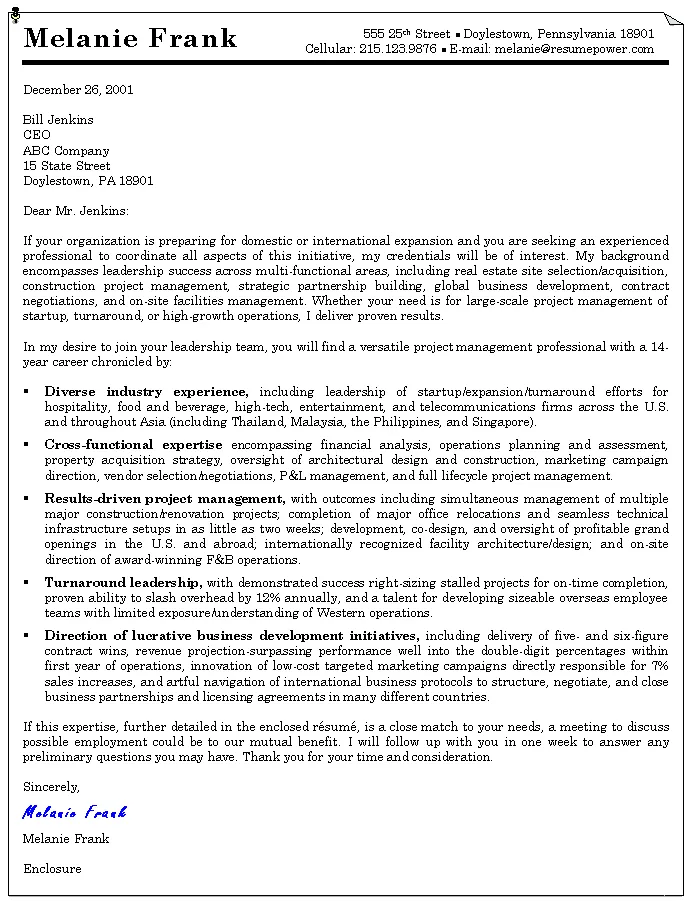
A compelling cover letter is essential when applying for a Project Manager position. It’s your first opportunity to make a strong impression and showcase your qualifications, skills, and enthusiasm for the role. This article provides a comprehensive guide to crafting an effective cover letter, complete with essential components, formatting tips, and five example cover letters to inspire you. Whether you’re a seasoned project manager or just starting your career, these samples and insights will help you stand out from the competition and land your dream job. Mastering the art of the cover letter is a key step in successfully navigating the job market.
Essential Components of a Project Manager Cover Letter
A well-structured cover letter for a Project Manager should include several key elements. These components work together to create a cohesive narrative that highlights your suitability for the position. Each section serves a specific purpose, contributing to a compelling and informative presentation of your skills and experience. By carefully crafting each part, you ensure your cover letter effectively communicates your value to the potential employer, giving you the best possible chance of securing an interview. Understanding these components is crucial for creating a standout cover letter.
Your Contact Information

Start your cover letter by clearly stating your contact information. This typically includes your full name, phone number, email address, and optionally, your LinkedIn profile URL. Ensure this information is accurate and up-to-date. Placing this at the top makes it easy for the hiring manager to reach you. Double-check the details to avoid any errors that could prevent them from contacting you. This initial section establishes your professionalism and ensures potential employers can easily find you.
The Hiring Manager’s Information
Address your cover letter to a specific person whenever possible. Research the hiring manager’s name and title, using LinkedIn or the company’s website. If you can’t find a specific name, use a professional greeting such as ‘Dear Hiring Manager’. Addressing the letter to a specific individual demonstrates that you’ve taken the time to research the company and are genuinely interested in the role. This personalized approach can make your application stand out, showing your attention to detail and proactive approach.
Professional Greeting
Begin your cover letter with a professional greeting. Examples include ‘Dear Mr./Ms. [Last Name]’ or ‘Dear Hiring Manager’. Avoid overly casual greetings. The greeting sets the tone for the rest of your letter and should be respectful and professional. Proper etiquette in the greeting creates a positive first impression and conveys your respect for the potential employer and the application process. Using the correct form of address shows attention to detail and professionalism.
Highlighting Your Skills and Experience

The body of your cover letter should focus on highlighting your skills and experience relevant to the Project Manager role. This is where you demonstrate why you’re the best candidate. Structure this section to clearly communicate your value to the employer. Showcasing your skills in an engaging and concise manner can significantly enhance your chances of success. This involves providing specific examples and quantifying your accomplishments whenever possible.
Showcasing Project Management Skills
Clearly articulate your project management skills, such as planning, organizing, leading teams, and managing budgets and timelines. Provide specific examples of how you’ve utilized these skills in past projects. Mention any methodologies you’re familiar with (e.g., Agile, Scrum, Waterfall). Use keywords from the job description to tailor your letter to the specific requirements of the role. This tailored approach ensures that you meet the expectations of the hiring manager, increasing the relevance of your application. Providing practical examples demonstrates how your skills translate into results.
Mentioning Relevant Project Experience
Describe your project experience, highlighting the types of projects you’ve managed, their scope, and your responsibilities. Briefly discuss the project’s objectives, your role, and the outcomes. Focus on projects that align with the job description, showcasing the relevance of your experience. Use action verbs to describe your contributions and demonstrate your impact on project success. Provide concise, informative details to give the hiring manager a clear picture of your relevant project experience. Showcasing relevant experience is a core part of the cover letter.
Quantifying Achievements with Data

Whenever possible, quantify your achievements with data. Use metrics to demonstrate your impact, such as ‘reduced project costs by 15%’, ‘completed projects ahead of schedule,’ or ‘increased team productivity by 20%’. Data-driven results provide concrete evidence of your capabilities, making your cover letter more compelling. Including quantifiable achievements makes your claims more credible and impactful, showing potential employers the value you bring to the table. This increases the impact of your cover letter significantly.
Expressing Enthusiasm for the Role
Express genuine enthusiasm for the role and the company. Explain why you’re interested in this specific position and what attracts you to the organization. Research the company to tailor your letter to its values and mission. Demonstrate that you understand the company’s goals and how your skills can contribute to its success. Show your understanding of the role and demonstrate why you are excited about it. This demonstrates that you are motivated and engaged, qualities that hiring managers value.
Demonstrating Cultural Fit
Briefly mention how your values align with the company culture. Highlight any relevant experience or personal qualities that demonstrate your ability to fit in well with the team. Research the company’s values and mention how your approach to project management complements these values. Cultural fit is a crucial aspect for many companies, and demonstrating it can significantly increase your chances of getting an interview. Showing alignment with company values helps to build a strong impression.
Call to Action

Conclude your cover letter with a strong call to action. Express your interest in an interview and make it easy for the hiring manager to contact you. Thank them for their time and consideration. This ensures that your cover letter concludes on a positive and proactive note. A clear call to action leaves a lasting positive impression. End with a statement showing you are ready for the next step.
Formatting and Presentation Tips for Your Cover Letter
Proper formatting and presentation are crucial for making a positive impression. Ensure your cover letter is easy to read, professional-looking, and free from errors. A well-formatted cover letter reflects professionalism and attention to detail. Properly formatted documents are easier to read. Ensuring your cover letter is visually appealing and well-organized can make it more appealing to hiring managers.
Choose a Professional Font
Use a professional and easy-to-read font, such as Times New Roman, Arial, or Calibri. Ensure the font size is between 10 and 12 points. Avoid using overly decorative or unusual fonts. A clean, readable font makes your cover letter accessible and ensures that the hiring manager can easily read the content. Readable fonts contribute to a professional presentation.
Keep it Concise

Keep your cover letter concise, ideally no more than one page. Highlight the most important aspects of your experience and skills. Avoid unnecessary details that might distract the hiring manager. A brief, well-written cover letter is more likely to hold the reader’s attention. Being concise demonstrates an ability to prioritize the most relevant information and communicates respect for the hiring manager’s time.
Proofread Carefully
Proofread your cover letter carefully for any grammatical errors, spelling mistakes, or typos. Have someone else review it as well. Errors can detract from your credibility and make a negative impression. Proper grammar and spelling showcase your attention to detail and professionalism, enhancing your credibility. Thorough proofreading can significantly boost the effectiveness of your cover letter.
Cover Letter Samples Project Manager Example 1
This section would contain an example cover letter tailored to a specific job description for a Project Manager role. The sample would include contact information, a professional greeting, and a body that showcases the applicant’s skills, experience, and enthusiasm. The example would highlight specific projects, quantify achievements, and demonstrate cultural fit.
Cover Letter Samples Project Manager Example 2

This section would provide another example cover letter focusing on a different industry or a different type of Project Manager role. This example would emphasize adaptability and how the candidate’s skills can be transferred to a new setting. The example would highlight other key skills and different achievements.
Cover Letter Samples Project Manager Example 3
This section would present a sample cover letter emphasizing a candidate’s leadership qualities and ability to manage large teams. The sample would offer detailed examples of team management, conflict resolution, and project successes that involved leading teams. This section would underscore the importance of leadership in project management.
Cover Letter Samples Project Manager Example 4
This example cover letter would highlight a Project Manager with a strong background in a specific project management methodology, such as Agile or Scrum. The example would provide specifics on the ability to lead projects using this methodology. The cover letter would showcase skills, and accomplishments using the particular project management method.
Cover Letter Samples Project Manager Example 5
This section would include a cover letter sample showcasing a candidate with experience in a particular industry. The cover letter would highlight industry-specific knowledge and experience to showcase the ability to understand projects in that industry. The focus of the letter would be industry expertise and relevant experience.
Key Takeaways and Next Steps
Crafting a compelling cover letter is a crucial part of a successful job application. By following these guidelines and using the provided samples, you can create a cover letter that effectively showcases your skills, experience, and enthusiasm. Remember to tailor your cover letter to each specific job description and company. Be sure to highlight how your skills meet the needs of the role. Make it easy for the hiring manager to contact you, and always end with a strong call to action. Taking the time to develop a well-crafted cover letter can significantly increase your chances of landing an interview and securing your desired Project Manager role. Good luck with your job search!