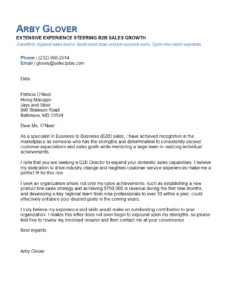
What is a Cover Letter?
A cover letter is a crucial document that accompanies your resume when you apply for a job. It serves as an introduction to your qualifications and expresses your interest in the specific position and the company. Unlike a resume, which provides a factual overview of your work history and skills, a cover letter allows you to communicate directly with the hiring manager, showcasing your personality, enthusiasm, and how you can contribute to the company’s success. This document gives you a valuable opportunity to sell yourself, and it’s the first step to landing your dream job. A well-crafted cover letter can significantly increase your chances of getting an interview.
The Cover Letter’s Primary Purpose
The main purpose of a cover letter is to provide context to your resume and persuade the hiring manager to consider your application. It’s your chance to highlight your most relevant skills and experiences, explain why you’re a good fit for the job, and demonstrate your genuine interest in the role and the organization. The cover letter’s primary goal is not just to list your qualifications but to tell a story about why you are the perfect candidate, making your application stand out from the crowd. It acts as your personalized marketing tool, emphasizing how your unique skills and experiences align with the job requirements and company culture.
Highlighting Relevant Skills and Experience

One of the primary functions of a cover letter is to highlight the skills and experiences most relevant to the job you’re applying for. While your resume lists your qualifications, the cover letter allows you to elaborate on them. Use this opportunity to discuss specific achievements and how they align with the job description. Quantify your accomplishments whenever possible, providing concrete examples of your successes. By tailoring your letter to the specific requirements outlined in the job posting, you demonstrate your understanding of the role and show the hiring manager that you have the necessary skills and experience to excel.
Demonstrating Your Personality and Enthusiasm
Your cover letter is also a chance to let your personality shine through. It allows you to express your enthusiasm for the opportunity and the company. Use a professional but personable tone to convey your excitement and interest in the role. Explain why you are drawn to the specific company and how your values align with theirs. This personalization demonstrates your genuine interest and makes your application more memorable. By showing your personality, you humanize your application and create a connection with the hiring manager, making them more likely to consider you seriously.
Top 5 Cover Letter Facts
Understanding the core functions of a cover letter will help you write one that stands out. Here are 5 must-know facts:
- It’s Your First Impression: The cover letter is often the first document a hiring manager sees, shaping their initial impression.
- Tailor It to Each Job: Customize your cover letter for each application to match the job requirements and company culture.
- Highlight Achievements: Focus on your accomplishments and quantify them whenever possible.
- Show, Don’t Just Tell: Use specific examples to illustrate your skills and experiences.
- Proofread Meticulously: Ensure your letter is free of errors in grammar and spelling.
Showcasing Your Fit for the Role

A great cover letter clearly demonstrates how your skills and experience align with the job requirements. Carefully review the job description and identify the key skills and qualifications the employer is seeking. Then, use your cover letter to illustrate how your past experiences and accomplishments have equipped you with those skills. Provide concrete examples that showcase your ability to perform the job duties successfully. By connecting your skills and experiences directly to the job requirements, you demonstrate that you are a well-qualified candidate and a good fit for the role.
Addressing Specific Job Requirements
When writing your cover letter, pay close attention to the specific requirements outlined in the job posting. Address each requirement directly, explaining how your skills and experiences meet the criteria. If the job posting requires specific software knowledge, mention your proficiency and provide examples of how you’ve used it in the past. If it emphasizes teamwork, describe your experiences collaborating with others. By addressing these specific requirements, you show the hiring manager that you have carefully read the job description and are prepared to succeed in the role. This focused approach demonstrates your attention to detail and your commitment to the position.
Explaining Employment Gaps
Cover letters provide an excellent opportunity to address any employment gaps in your resume. If you have periods of unemployment, use the cover letter to briefly explain the situation. Be honest and straightforward, providing context without dwelling on the negative. You can explain how you used your time off productively, such as by taking courses, volunteering, or pursuing personal projects. By addressing employment gaps directly, you show that you are proactive and transparent. This can help alleviate any concerns the hiring manager might have and keep your application moving forward.
Adding Value Beyond the Resume

A cover letter allows you to add value to your application beyond the information contained in your resume. It’s your chance to elaborate on your experiences, provide context, and express your passion for the job and the company. You can use your cover letter to highlight soft skills, such as communication, teamwork, and problem-solving, which might not be explicitly mentioned in your resume. The cover letter enables you to showcase your personality and enthusiasm, making your application more compelling and memorable. A well-written cover letter sets you apart and makes a more persuasive case for your candidacy.
Providing Context for Your Application
The cover letter provides an excellent opportunity to provide context for your application. Your resume may list your skills and experiences, but the cover letter lets you explain how those experiences have shaped you and why they make you a good fit for the specific role. For instance, you can explain the challenges you faced in previous roles, the strategies you employed to overcome them, and the results you achieved. This context helps the hiring manager understand your background, motivations, and suitability for the job. It offers a deeper understanding of your qualifications than a resume alone can provide.
Making a Positive First Impression
Your cover letter is often the first impression you make on a potential employer. A well-written, engaging cover letter can set a positive tone for your application. Make sure it’s free of errors, well-formatted, and tailored to the job. Show enthusiasm for the role and the company. Start strong with a compelling opening paragraph and end with a clear call to action. By presenting yourself professionally and making a strong first impression, you increase your chances of getting your resume noticed and securing an interview. The cover letter showcases your communication skills and your attention to detail, giving you a crucial advantage in the job search process.
Call to Action

In conclusion, the purpose of a cover letter is multifaceted, serving to introduce you to the employer, highlight relevant skills, demonstrate your personality, and provide context for your resume. By understanding and effectively utilizing the cover letter’s purpose, you significantly increase your chances of landing an interview and ultimately securing your desired job. Remember to tailor your cover letter to each specific job application, showcasing your enthusiasm and demonstrating why you are the perfect candidate. Good luck with your job search!