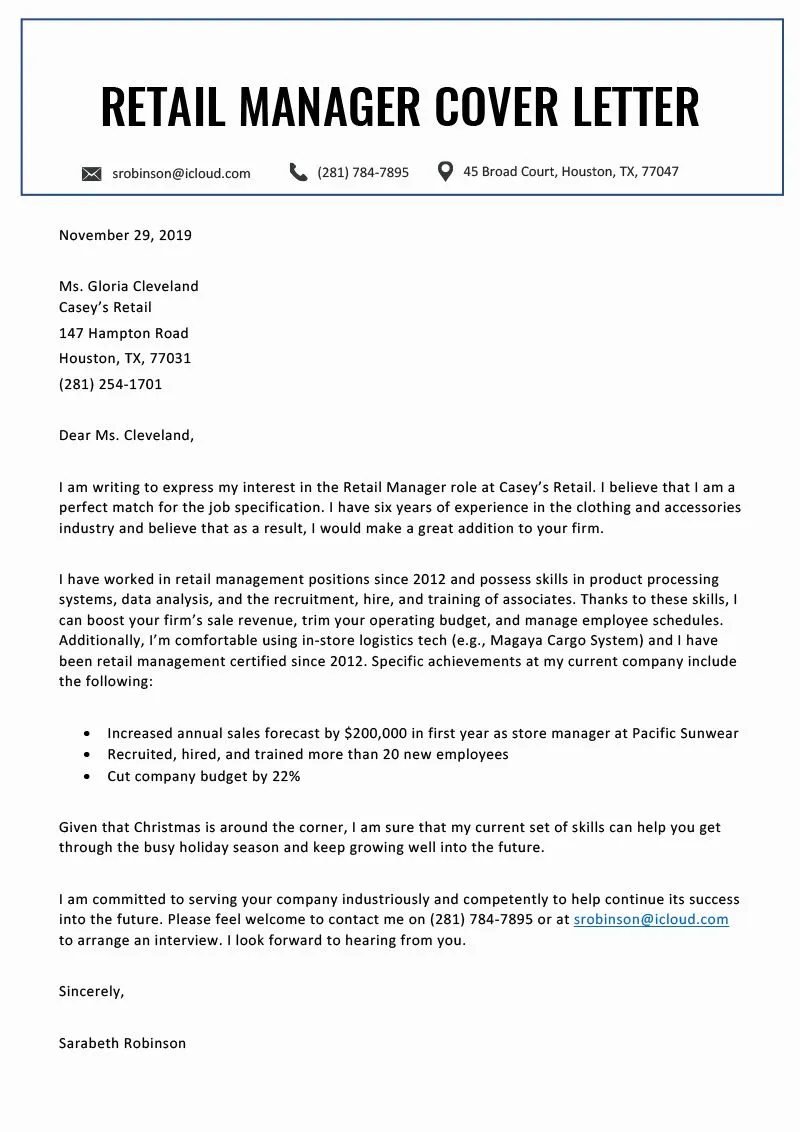
Crafting an Awesome Cover Letter
In the competitive world of job applications, your resume is often just the starting point. To truly stand out and make a lasting impression, you need an awesome cover letter. This is your opportunity to go beyond the bullet points and demonstrate your personality, passion, and suitability for the role. A well-crafted cover letter not only highlights your skills and experience but also showcases your writing abilities and your understanding of the company and the specific job requirements. It’s your chance to make a strong first impression and convince the hiring manager that you are the perfect candidate. Learn how to create a cover letter that sets you apart from the competition and lands you your dream job.
Understanding the Purpose
Why a Cover Letter Matters

A cover letter is much more than a formality it’s a strategic tool that significantly impacts your job application. It provides the context for your resume, allowing you to explain why you are interested in the position and why your skills and experience align with the job requirements. It is an opportunity to express your personality and enthusiasm, which is something a resume cannot fully achieve. By using a cover letter, you demonstrate your written communication skills, attention to detail, and genuine interest in the company. This proactive approach makes you stand out and shows that you are serious about the opportunity.
The Role of a Cover Letter
The primary role of a cover letter is to introduce you to the hiring manager and summarize your qualifications in a concise and engaging manner. It should complement your resume by providing additional details and context, showcasing your achievements, and highlighting your relevant skills. It also allows you to address the specific needs and requirements of the job, demonstrating how your experience aligns with the role. Furthermore, a well-written cover letter reflects your professionalism, attention to detail, and your ability to communicate effectively, which are essential qualities employers look for in potential candidates.
Key Components of an Awesome Cover Letter
Contact Information and Date

Start your cover letter with your contact information, including your name, address, phone number, and email address. The date should be the date you are sending the application. This information ensures that the hiring manager knows how to reach you and is a standard element of any professional cover letter. Ensure that the email address is professional (e.g., firstname.lastname@email.com) and that your phone number is current. Make sure the format is clean and easily readable, typically aligned to the left or right side of the page, depending on your preference.
Formatting Your Cover Letter
Always tailor your cover letter to the specific job you’re applying for. Use the job description to identify keywords and requirements and incorporate them into your letter. Use a professional font like Arial or Times New Roman, with a font size of 11 or 12 points. Maintain single spacing within paragraphs and double spacing between paragraphs. This format provides a clean and easy-to-read document. Always proofread your cover letter multiple times before submitting to ensure there are no typos or grammatical errors. A well-formatted cover letter demonstrates your attention to detail and professionalism.
Creating a Compelling Opening
Grabbing Their Attention

The opening paragraph is your first and often only chance to grab the hiring manager’s attention. Start with a strong, engaging statement that immediately shows your enthusiasm for the position. Briefly state where you saw the job posting and mention the specific job title. Show you’ve done your research by mentioning something specific about the company or the role that genuinely interests you. Avoid generic phrases; instead, show that you understand the company’s mission, values, or recent achievements. Your opening should be concise, compelling, and tailored to the specific opportunity to make a memorable first impression.
Highlighting Relevant Skills and Experience
The body of your cover letter is where you highlight your relevant skills and experience. Focus on the requirements of the job description and showcase how your qualifications align with the needs of the company. Use specific examples to demonstrate your achievements, rather than just listing your responsibilities. Quantify your accomplishments whenever possible; for example, “Increased sales by 15% in one quarter.” This approach brings your claims to life and makes them more impactful. Structure your paragraphs to clearly demonstrate how your skills and experiences make you a great fit for the position.
Tailoring to the Job Description
Thoroughly review the job description and identify the key skills and qualifications the employer is seeking. Then, tailor your cover letter to directly address those requirements. Use the same keywords and phrases from the job description where appropriate. This demonstrates that you have read and understood the role’s demands. Organize your experience to highlight the skills and achievements that are most relevant. Give specific examples of your past successes that align with the job’s expectations. This tailored approach will make your cover letter stand out by showing that you are a strong match for the position.
Quantifying Achievements

Whenever possible, use quantifiable data to demonstrate your achievements. Numbers provide concrete evidence of your accomplishments and make your claims more credible. Instead of stating that you “improved customer service,” say “Improved customer satisfaction scores by 20% through implementing new training programs.” Use metrics to measure the impact of your work, such as revenue growth, cost savings, efficiency gains, or project completion rates. Quantifying your achievements shows employers the real value you bring to the table and highlights your ability to deliver results.
Demonstrating Enthusiasm and Fit
Expressing genuine enthusiasm for the role and the company is crucial. Explain why you are excited about this specific opportunity and what aspects of the company culture or work environment attract you. Show that you have researched the company’s mission, values, and recent accomplishments. Highlight how your personal goals align with the company’s objectives. Demonstrate that you are not just looking for a job but are genuinely interested in contributing to the company’s success. Tailoring your cover letter shows you care and helps you make a lasting impression on the hiring manager.
Researching the Company
Before writing your cover letter, research the company thoroughly. Visit the company website, read recent news articles, and explore their social media profiles. Understand their products or services, their mission, and their values. This knowledge will help you tailor your cover letter to show a genuine interest in the company and demonstrate that you understand their goals. Referencing specific company projects, initiatives, or values in your cover letter demonstrates that you have done your homework and are genuinely interested in the opportunity.
Showcasing Your Personality

Let your personality shine through while maintaining a professional tone. Use your cover letter to convey your unique perspective, work ethic, and communication style. Share your personality through your writing style, demonstrating enthusiasm, and using specific examples to illustrate your skills and experiences. Avoid overly formal or robotic language. Instead, adopt a tone that is both professional and engaging. By injecting your personality into your cover letter, you make it more memorable and help the hiring manager get a better sense of who you are.
Writing a Strong Closing
Your closing paragraph should reiterate your interest in the position and include a call to action. Briefly summarize why you are a great fit for the role and reiterate your enthusiasm. Clearly state your desire to be interviewed and express your willingness to discuss your qualifications further. Thank the hiring manager for their time and consideration. Keep the closing concise and professional, reinforcing the positive impression you have made throughout the cover letter.
Call to Action
A strong call to action encourages the hiring manager to take the next step. Clearly state your interest in an interview and specify your availability for a meeting. You might also mention your willingness to provide additional information or discuss your qualifications further. Make it easy for the hiring manager to contact you by providing your contact information again. This shows initiative and allows the hiring manager to move forward quickly with the application process.
Professional Closing and Signature

End your cover letter with a professional closing, such as “Sincerely,” “Best regards,” or “Thank you.” Below your closing, leave space for your handwritten signature if you are printing and mailing the letter. If submitting your cover letter electronically, you can simply type your full name. The closing and signature add a final touch of professionalism and reinforce your attention to detail. Make sure the closing aligns with the tone and formality of your overall cover letter.
Cover Letter Formatting Tips
Font and Readability
Font Size and Style
Choose a professional font that is easy to read. Common fonts include Arial, Times New Roman, and Calibri. The ideal font size is 11 or 12 points, ensuring the text is clear without being too large or small. The goal is to make your cover letter as accessible as possible. Using a clear and readable font enhances the reader’s experience and reflects your attention to detail. Avoid using decorative or unusual fonts that might distract or make the document difficult to read. The font should be consistent throughout the entire cover letter.
White Space and Layout
Use white space strategically to improve readability. Maintain consistent margins (typically 1 inch on all sides). Use single spacing within paragraphs and double spacing between paragraphs. Break up large blocks of text with shorter paragraphs and headings to guide the reader’s eye. Proper use of white space prevents your cover letter from appearing cluttered or overwhelming. An organized layout reflects your ability to present information in a clear and professional manner. A well-formatted document is more appealing and easier for the hiring manager to read and understand quickly.
Proofreading and Editing
Proofreading and editing are critical steps that should never be skipped. Thoroughly review your cover letter for any grammatical errors, spelling mistakes, and typos. Check for inconsistencies in formatting, such as font style or spacing. Read your cover letter aloud to catch any awkward phrasing or unclear sentences. Have a friend, family member, or career counselor review your cover letter for additional feedback. A polished, error-free cover letter reflects your attention to detail and professionalism, significantly increasing your chances of making a positive impression.
Common Mistakes to Avoid
Grammar and Spelling Errors
Grammar and spelling mistakes can instantly undermine your credibility. Proofread carefully to eliminate these errors. Use spell-check and grammar-check tools, but don’t rely on them completely. Often, they won’t catch every mistake, so manual proofreading is essential. Run your cover letter through a grammar-checking tool like Grammarly or Hemingway Editor to ensure grammatical correctness and clarity. Always double-check names, titles, and company details for accuracy. A cover letter with errors suggests carelessness and a lack of attention to detail.
Generic Content
Avoid using generic, cookie-cutter cover letters. Tailor your cover letter to each specific job application, including the company name and job title. Avoid using generic phrases and sentences that could apply to any role. Show that you have researched the company and understand their needs. Use the job description as a guide to highlight relevant skills and experiences. Demonstrating you understand the specific requirements and are enthusiastic about the particular opportunity significantly increases your chances of getting noticed.
Length and Tone
Keep your cover letter concise and to the point. Aim for one page, unless the job posting specifically requests more information. Maintain a professional and respectful tone. Avoid overly casual language or slang. Use a clear, concise writing style to ensure your message is easy to understand. Be enthusiastic, but also maintain a professional demeanor. A well-written, appropriately-toned cover letter will convey your professionalism and interest in the role. Ensure your tone matches the company culture and job requirements.
Conclusion
Mastering the art of the cover letter is essential for standing out in today’s competitive job market. By crafting a compelling narrative that showcases your skills, experience, and genuine interest, you can significantly increase your chances of landing your dream job. Remember to tailor your cover letter to each specific opportunity, highlighting your achievements with quantifiable data and demonstrating your understanding of the company and the role. With a well-written and professionally presented cover letter, you can make a lasting impression and take the first step toward a successful career. Start applying these strategies today to transform your cover letter into a powerful tool that opens doors to new opportunities. Good luck with your job search!