Understanding Employment Gaps
Navigating the job market can be challenging, especially when facing employment gaps. These gaps, periods of time where you were not formally employed, can raise concerns for potential employers. However, with a well-crafted cover letter, you can address these gaps proactively and demonstrate your continued value. The key is to be honest, concise, and focus on what you have gained during those periods. This section will break down the understanding of employment gaps and how they are perceived.
Defining Employment Gaps
An employment gap is generally defined as a period of unemployment lasting longer than a few months. The length considered a ‘gap’ can vary depending on the industry and the individual’s experience level. While shorter breaks may not always require explicit explanation, longer gaps, typically exceeding six months to a year, are more likely to be noticed by recruiters and hiring managers. It is important to clarify the situation in the cover letter to present the complete picture of your career trajectory.
Common Reasons for Employment Gaps

Employment gaps can arise from a variety of circumstances. These can include personal reasons such as family care, health issues, or relocation; further education or training to enhance skills; taking a career break for personal growth or travel; or involuntary job loss due to layoffs, company restructuring, or economic downturns. Recognizing the different causes can help tailor your cover letter to provide a clear and honest explanation of your situation. (employment-gap-reasons.webp)
Why Employers are Concerned
Employers may sometimes view employment gaps with concern for several reasons. They might worry about a candidate’s commitment to work, fear a decline in skills, or question the candidate’s ability to stay current with industry trends. However, these concerns can be addressed by demonstrating how you have used the time effectively. Highlighting your skills and experiences during this time will present you as a proactive and adaptable candidate. This will give employers the reasons to view you favorably.
Crafting Your Cover Letter
A well-written cover letter is your opportunity to provide context for employment gaps. This letter is more than just a summary of your resume; it’s a chance to showcase your personality, explain your circumstances, and highlight what you’ve gained during your time away from traditional employment. The following sections will walk you through structuring your cover letter to handle employment gaps effectively.
Format & Structure

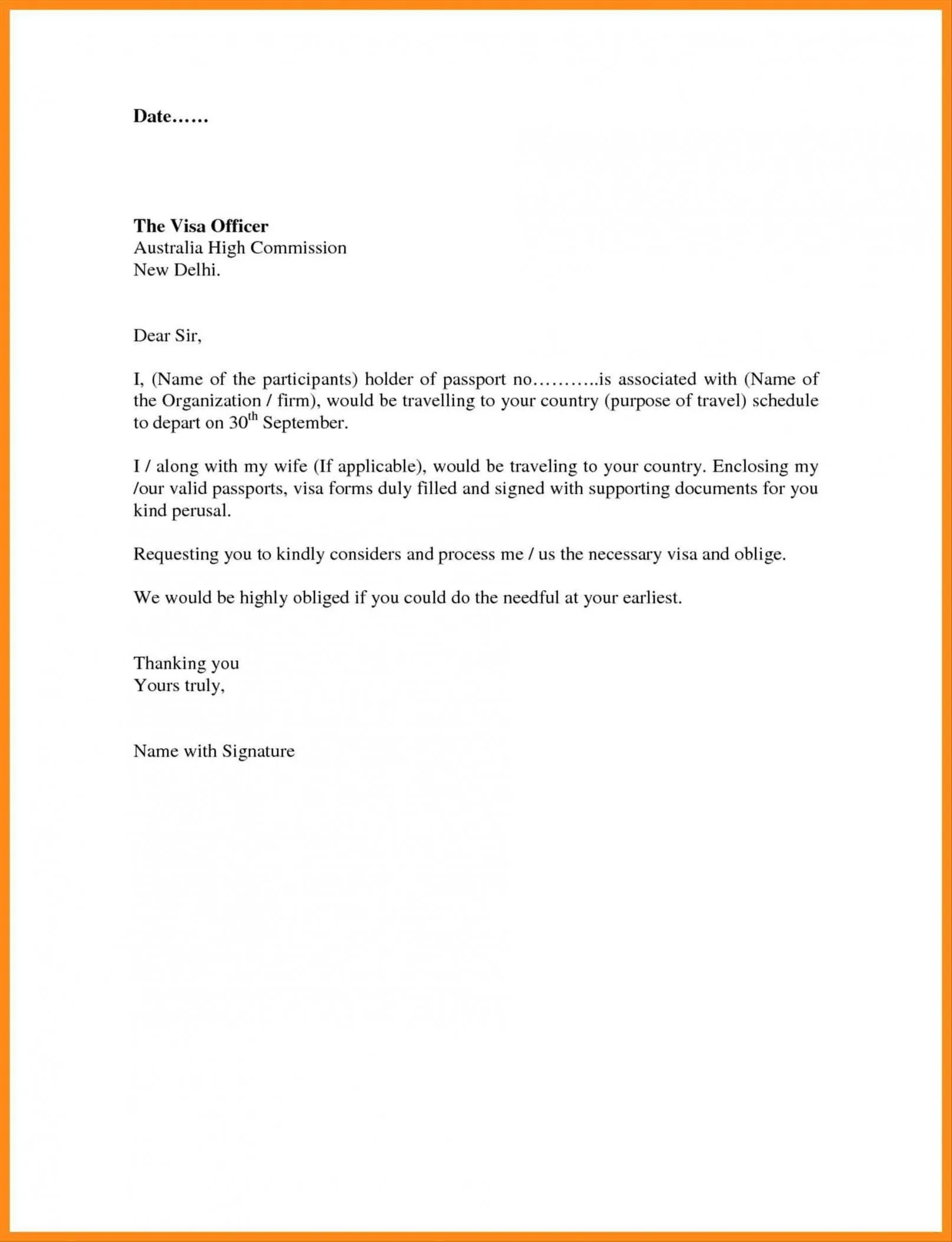
A standard cover letter structure should include an opening paragraph, a body that highlights your qualifications, addresses the employment gap, and closes with a call to action. Ensure your letter is concise, typically no more than one page, and uses a professional font and formatting. Maintain a positive and confident tone throughout the letter. (cover-letter-structure.webp)
The Opening Paragraph
In your opening paragraph, state the position you’re applying for and briefly mention how you learned about the opportunity. Express your enthusiasm for the role and the company. Avoid mentioning the employment gap directly at this stage. Instead, capture the reader’s attention and establish your interest. This will set a positive tone for the rest of the letter.
Addressing the Gap
The body of your cover letter is where you’ll address the employment gap. Be direct, but don’t dwell on the negative. Provide a brief, honest explanation of the reason for the gap, focusing on what you did during this time. The key is to frame the gap as a period of growth and learning. (cover-letter-gap-analysis.webp)
Provide a Brief Explanation

Offer a concise explanation of the reason for your employment gap. Keep it factual and avoid overly detailed or negative language. For example, instead of saying ‘I was laid off,’ you might say ‘Due to company restructuring…’ or ‘I took time to focus on…’ Brevity and honesty are key; don’t make excuses or provide more details than necessary.
Highlight Relevant Skills
Focus on the skills and experiences you gained or maintained during the employment gap. Did you take courses, volunteer, freelance, or engage in other activities that are relevant to the job? Emphasize these experiences to show that you remained active and developed new skills. (highlight-skills-gap.webp)
Emphasize Growth & Learning
Frame the time off as a period of personal or professional development. Did you acquire new skills, gain experience, or make improvements to yourself? Focus on any positive outcomes from the break, such as increased knowledge, improved capabilities, or personal growth. This will show employers your ability to evolve.
Focus on What You Can Offer

After explaining the gap, transition back to your qualifications and skills. Reiterate how your experience makes you a strong candidate for the role, and connect your skills to the job’s requirements. Show the employer that your skills and experience are still relevant and valuable.
Quantify Your Achievements
Whenever possible, use numbers and data to quantify your achievements. This helps demonstrate the impact of your skills and experiences. For instance, ‘Managed a team of 5 volunteers’ or ‘Increased website traffic by 20%’ are more compelling than general statements. (quantify-achievements-cover-letter.webp)
Tailor to the Job Description
Customize your cover letter for each job application by aligning your skills and experiences with the specific requirements outlined in the job description. This will show the employer that you have carefully considered their needs and are a good fit for the role. Make sure the keywords used in the job description are also present in the letter.
The Closing Paragraph

In your closing paragraph, reiterate your interest in the position and thank the employer for their time and consideration. Include a call to action, such as expressing your eagerness to discuss your qualifications further. Proofread the entire letter and ensure your contact information is correct.
Sample Cover Letter Snippets
Here are examples of how to address different types of employment gaps in your cover letter.
Gap Due to Personal Reasons
Example: ‘During the past year, I took time to focus on family responsibilities. During this time, I also honed my project management skills by organizing several community events, developing strong organizational and communication skills that are highly relevant to this role.’
Gap Due to Further Education

Example: ‘Following my previous role, I pursued a Master’s degree in [Field of Study]. This experience has equipped me with advanced skills in [relevant skills], which I am eager to apply in this position.’
Gap Due to Career Break
Example: ‘I took a deliberate career break to pursue personal interests and travel. During this time, I volunteered with [organization], which enhanced my skills in teamwork and cross-cultural communication. I am now enthusiastic about returning to the workforce and applying my broadened perspective to the challenges of this role.’
Gap Due to Layoff or Job Loss
Example: ‘Following a company restructuring, I dedicated time to upskilling and professional development. I completed certifications in [relevant certifications], which have prepared me to excel in this dynamic role. I am eager to leverage my expertise and contribute to [company’s name]’s success.’
Key Takeaways and Next Steps
Addressing employment gaps requires honesty, clarity, and a positive approach. By focusing on what you learned and accomplished during your time away, you can successfully mitigate concerns and showcase your adaptability and commitment. Take the time to present your experience favorably and make sure the employer understands the value you can bring to the table.
Proofread Carefully
Ensure your cover letter is free of grammatical errors and typos. Proofreading demonstrates attention to detail and professionalism. (proofread-cover-letter.webp)
Seek Feedback
Ask trusted friends, family members, or career advisors to review your cover letter for clarity, accuracy, and overall impact. Receiving constructive criticism can greatly improve your cover letter.
Follow Up
After submitting your cover letter and resume, follow up with the employer to reiterate your interest and inquire about the status of your application. A well-timed follow-up can show your genuine interest in the position.