Why a Cover Letter Matters
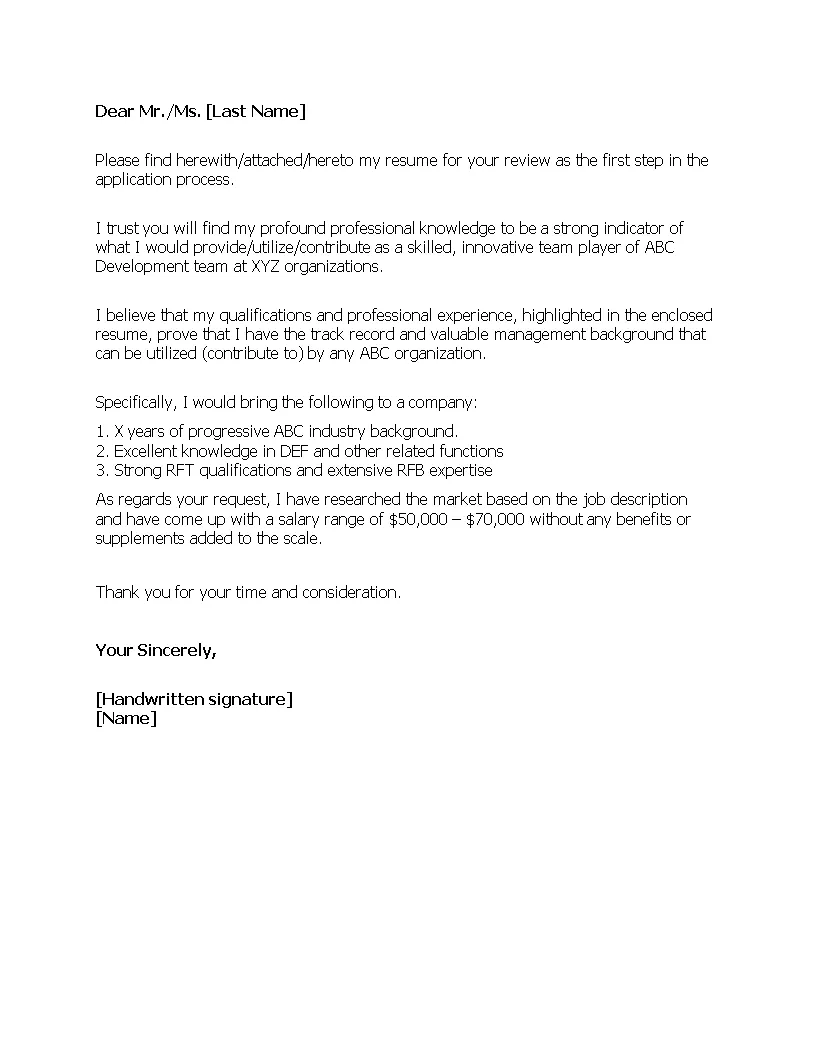
In the competitive job market, a well-crafted cover letter is your key to unlocking career opportunities and getting hired faster. It serves as your initial introduction, a chance to make a lasting impression before your resume even gets a look. Think of it as your personal marketing tool, designed to showcase your unique value proposition and persuade potential employers that you are the ideal candidate for the role. The cover letter allows you to elaborate on your skills, experiences, and passion, providing context that a resume often lacks. By effectively communicating your qualifications, enthusiasm, and personality, you can stand out from the crowd and significantly increase your chances of securing an interview. Moreover, a strong cover letter highlights your communication skills, attention to detail, and genuine interest in the company and the specific position.
Cover Letters as a First Impression
Your cover letter is your first interaction with a potential employer. It’s your opportunity to create a compelling narrative that captures their attention and encourages them to delve deeper into your qualifications. A well-written cover letter immediately establishes your professionalism, demonstrating your understanding of the role and the company’s needs. The tone and style of your cover letter set the stage for your entire application. It allows you to showcase your communication skills, personality, and enthusiasm for the opportunity. A well-crafted cover letter often creates a positive association with your application, making the employer more receptive to your resume and increasing your chances of getting an interview. In contrast, a poorly written cover letter can quickly lead to your application being overlooked. Therefore, every detail, from the formatting to the language used, plays a crucial role in shaping this initial impression.
Highlighting Your Skills

Your cover letter is the perfect place to highlight your skills in a way that your resume might not fully capture. Focus on the skills that align with the job description, providing specific examples of how you’ve used these skills to achieve results. Instead of simply listing skills, demonstrate them through narrative. Share brief anecdotes or accomplishments that showcase your proficiency. Quantify your achievements whenever possible to demonstrate the impact you’ve made in previous roles. This could involve using numbers, percentages, or other measurable data to illustrate your contributions. Tailor your skills section to match the requirements of each job. Customize your letter to match the needs of each role, emphasizing the skills and experience that are most relevant. This tailored approach demonstrates that you’ve taken the time to understand the position and are genuinely interested in contributing to the company. By providing concrete evidence of your abilities, you will make a strong case for why you are a good fit and significantly increase your chances of securing an interview.
Understanding the Purpose of a Cover Letter
The purpose of a cover letter extends beyond simply introducing yourself; it’s a strategic tool designed to persuade and differentiate you from other candidates. It serves as your personal narrative, providing context to your resume and allowing you to explain why you are the perfect fit for the specific role and company. The cover letter should demonstrate your understanding of the role’s responsibilities, showcasing how your skills and experiences align with their needs. It allows you to highlight your most relevant accomplishments and provide concrete examples that demonstrate your ability to deliver results. Beyond outlining your qualifications, a cover letter should convey your enthusiasm and passion for the opportunity. By clearly articulating your interest in the role, the company’s mission, or the industry, you can establish a genuine connection and make a strong impression. The cover letter also gives you the chance to address any potential gaps or concerns in your resume. Use this space to provide context and ensure your application is as strong as possible.
Cover Letter Basics
A strong cover letter should be concise, professional, and tailored to each job application. Start with a professional heading including your contact information and the date. Then, address the hiring manager by name whenever possible. If a specific name isn’t available, use a professional salutation like “Dear Hiring Manager.” The opening paragraph should grab the reader’s attention, quickly stating your interest in the position and highlighting why you are a strong candidate. The body of your letter should highlight your relevant skills and experiences, providing concrete examples to demonstrate your capabilities. Tailor each cover letter to the specific job, matching keywords from the job description and demonstrating your understanding of the company’s needs. End with a strong closing paragraph restating your interest and including a call to action, such as expressing your availability for an interview. Proofread your letter meticulously to ensure there are no errors in grammar or spelling and maintain a positive and enthusiastic tone.
Formatting for Success

Effective formatting is essential for making your cover letter easy to read and visually appealing. Use a clear and professional font such as Times New Roman, Arial, or Calibri, with a font size between 10 and 12 points. Maintain consistent formatting throughout the document, including the use of bullet points or numbered lists when applicable. Use standard margins (1 inch on all sides) to provide ample white space, making the letter less cluttered. Keep your cover letter concise, ideally no longer than one page. The content should be well-organized into clear paragraphs with each one focusing on a specific point. Ensure the letter is well-structured with a logical flow from the introduction to the conclusion. By paying close attention to these formatting details, you can create a document that looks professional and makes a positive impression on the hiring manager.
Content Essentials
The content of your cover letter should directly address the job requirements and highlight your most relevant skills and experiences. Begin by stating the position you are applying for and how you learned about the opportunity. Clearly articulate your qualifications by providing specific examples and achievements that align with the job description. Demonstrate your knowledge of the company and your understanding of its mission, values, and goals. Explain why you are interested in the role and why you believe you are a good fit, emphasizing how your skills and experiences can contribute to the company’s success. Close with a strong statement of your interest in the role and your availability for an interview. Proofread meticulously to ensure that your writing is clear, concise, and free of errors. The cover letter should highlight your ability to communicate effectively, showcase your professionalism, and increase your chances of getting an interview.
How to Address Salary Requirements
Addressing salary expectations in your cover letter is a critical aspect of the job application process, and doing it effectively can significantly increase your chances of success. This section will guide you on how to navigate this aspect professionally and strategically, ensuring you make a positive impression. It is essential to be prepared to address salary requirements in a way that shows you are informed and value your worth. There are different strategies you can use depending on the specific situation and the guidance provided in the job posting. The key is to approach this topic with confidence and clarity, while remaining open to negotiation.
Researching Salary Ranges
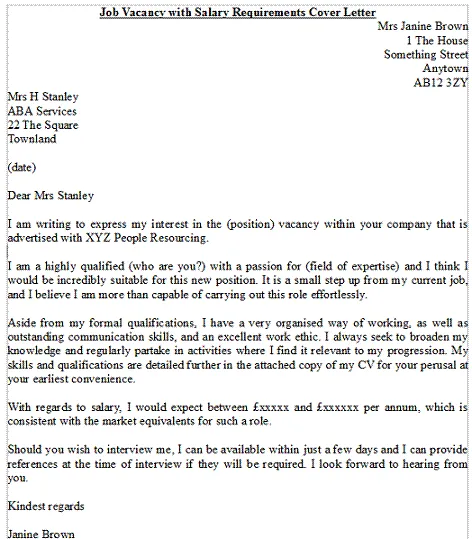
Before including any salary information, do thorough research to understand the typical salary range for the position and location. Use online resources like Glassdoor, Salary.com, and Payscale to gather information about salaries for similar roles in your area. Consider factors such as your experience level, skills, and education when evaluating these salary ranges. In addition to online resources, you can also network with professionals in the industry or contact recruiters to gain insights into current salary trends. Understanding the going rate for the position will help you set realistic expectations and avoid undervaluing your worth. When including this information in your cover letter, be prepared to back up your expectations with data gathered from your research. This demonstrates to the hiring manager that you have a clear understanding of the market and value your skills accordingly. Being well-informed allows you to negotiate effectively and ensures you do not accept an offer that is below the market value for your skills.
Stating Your Expectations
When the job posting explicitly requests your salary expectations, it’s crucial to address the requirement directly. One option is to state your salary range, which provides flexibility while still giving the employer a clear idea of your expectations. For example, “My salary expectations are in the range of $X to $Y, based on my experience and the responsibilities of this role.” If you prefer to delay the discussion, consider a phrase like, “I am flexible with my salary expectations and am open to discussing this during the interview process.” Some job postings ask for your current salary, in this case, you can simply state it. Always tailor your response to the specifics of the job posting and the company’s culture. Avoid being overly specific or demanding in your initial communication, keeping your response professional and open to negotiation. Being upfront and providing reasonable parameters indicates your understanding of the job market and the value you bring.
Negotiating Salary
Negotiating your salary is a critical part of accepting a job offer, so being prepared to discuss this is vital. If the initial offer is not what you expect, be prepared to discuss your desired salary in a confident and professional manner. Provide clear reasons why you believe you deserve a higher salary, referencing your skills, experience, and the value you bring to the role. When negotiating, you can point out examples where your skill set and experience exceed the expectations of the role. Research the company’s salary structure and the market rate for similar positions to strengthen your arguments. Be prepared to negotiate other aspects of the compensation package, such as benefits, bonuses, or professional development opportunities. Maintaining a positive and collaborative attitude throughout the negotiation process is crucial. Being flexible and willing to compromise can lead to a mutually beneficial agreement, ensuring that you are fairly compensated for your work.
Tips to Impress the Employer

Writing a cover letter that impresses an employer requires a combination of thoughtful preparation, effective communication, and a strategic approach. These tips will guide you in crafting a cover letter that grabs attention. Remember that every detail, from the language you use to the structure of your letter, plays a vital role in creating a positive impression. This will make a lasting impression and increase your chances of getting the job.
Tailoring to the Job Description
To impress the employer, always tailor your cover letter to the specific job description. Carefully review the job posting, highlighting the key skills, experiences, and qualifications that the employer is seeking. Then, customize your letter to directly address these requirements. Use keywords from the job description throughout your cover letter, demonstrating that you understand the role and its demands. Provide examples of how your previous experiences align with the specific requirements of the job. Showcase your understanding of the company’s mission and values, and explain how your skills and experiences align with their goals. This demonstrates that you have taken the time to understand the role and the company, which shows you’re serious about the opportunity and are more likely to be a good fit. By taking this approach, you can make a strong case for why you are the ideal candidate and increase your chances of getting an interview.
Show, Don’t Tell
Instead of simply stating your skills and qualifications, use specific examples and anecdotes to demonstrate your abilities. Don’t just say you are a team player; describe a situation where you collaborated effectively with a team to achieve a specific outcome. Quantify your achievements whenever possible, using numbers or percentages to illustrate your impact. For example, instead of saying you improved customer satisfaction, state that you increased customer satisfaction scores by a certain percentage. This makes your claims more concrete and credible. Use the STAR method (Situation, Task, Action, Result) to structure your examples, providing a clear and compelling narrative. By providing specific examples, you make a stronger case for your qualifications, creating a more lasting impression on the employer. Showcasing your skills through concrete examples helps distinguish you from other applicants, making your cover letter more memorable and increasing your chances of getting an interview.
Proofreading and Editing

Ensure your cover letter is free of errors. Before submitting your cover letter, proofread it meticulously for any grammatical errors, spelling mistakes, or typos. Use a grammar checker to help catch any mistakes you might have missed. Have a friend or family member review your letter to provide a second pair of eyes. This will help identify any errors you may have overlooked. Pay attention to the overall readability and clarity of your letter. Ensure that your sentences are well-structured and easy to understand. Make sure the tone is professional, enthusiastic, and aligns with the job and company. A well-proofread and edited cover letter demonstrates professionalism and attention to detail, which can significantly improve your chances of getting an interview.
Conclusion
Writing a cover letter with salary requirements requires careful attention to detail, clarity, and a strategic approach. By following these guidelines, you can create a cover letter that highlights your qualifications, captures the employer’s attention, and increases your chances of getting hired faster. The key is to be prepared, confident, and professional in your communication, demonstrating value and setting yourself apart. By presenting your skills effectively, understanding salary ranges, and tailoring your approach, you can significantly boost your chances of landing your dream job. Remember to tailor each cover letter to the specific job requirements and highlight your achievements with concrete examples. By investing the time and effort into crafting a well-written cover letter, you can confidently navigate the job application process and increase your chances of securing an interview and getting hired.