Why You Need a Cover Letter for Your Resume
In the competitive world of job hunting, every detail matters. While your resume is a critical document that lists your skills and experiences, a cover letter provides the crucial context and personal touch that can set you apart from the competition. Many job seekers question whether a cover letter is still necessary, especially in today’s digital age. The answer is a resounding yes. A well-crafted cover letter can significantly increase your chances of landing an interview. It is your opportunity to communicate your interest in the specific role and the company, demonstrating why you are the ideal candidate. It adds depth and personalization to your application, elements that are often missing from a resume alone. Ignoring the cover letter is a missed opportunity. Your resume tells what you’ve done, and your cover letter explains why it matters to the potential employer. Moreover, it allows you to showcase your communication skills, express your enthusiasm, and highlight your personality.
Highlighting Key Skills and Experiences
A cover letter gives you the space to elaborate on the key skills and experiences that make you a perfect fit for the job. While a resume provides a summary, a cover letter allows you to delve deeper, providing specific examples that showcase your abilities. You can highlight accomplishments and explain how your skills have led to tangible results in past roles. By focusing on the most relevant aspects of your experience, you can tailor your application to the specific requirements of the job posting. This is an opportunity to draw connections between your previous roles and the responsibilities outlined in the job description. For example, instead of just stating that you have ‘project management experience’ on your resume, you can describe a specific project you managed, the challenges you overcame, and the positive outcomes you achieved. Providing these details helps the hiring manager see your abilities in action, making your application more compelling.
Tailoring Your Application to the Job

One of the most critical benefits of a cover letter is the ability to tailor your application to each job you apply for. A generic resume and cover letter combo are often easily dismissed. Customization shows that you have taken the time to understand the specific needs and culture of the company. Review the job description carefully and identify the key requirements and desired skills. Use your cover letter to demonstrate how your qualifications align with these specific needs. Research the company and mention something specific that appeals to you about their mission, values, or recent projects. This demonstrates that you’re not just sending out mass applications but that you are genuinely interested in the role and the organization. By personalizing your cover letter, you immediately increase your chances of catching the hiring manager’s attention. It proves that you’re not only qualified but also genuinely enthusiastic about the opportunity.
Showing Personality and Enthusiasm
Your resume is a list of facts, but your cover letter is where you can infuse your personality and enthusiasm. It’s your chance to show the hiring manager who you are beyond your work history. Use a professional yet personable tone to express your interest in the role and company. Share your excitement about the opportunity and explain why you are genuinely interested in the work. Your cover letter should showcase your communication skills, as it demonstrates how well you can express yourself in writing. This is particularly important for roles that require strong written communication. Consider adding a brief anecdote or a personal touch that highlights your passion for the field or the company’s mission. This shows that you are not just another applicant but a real person who is genuinely excited about the prospect of joining their team. Personality can make the difference between a good candidate and a great one.
Addressing Potential Red Flags
Every job seeker has potential gaps or concerns in their background, whether it’s a career change, a period of unemployment, or a lack of specific experience. A cover letter provides a strategic opportunity to address these issues head-on, reducing the chances of the hiring manager dismissing your application before considering your qualifications. You can use the cover letter to explain any employment gaps or career transitions in a positive and professional manner. If you are changing industries, explain why your skills are transferable and how you are excited about the new direction. If you have a short work history, focus on your accomplishments and your enthusiasm for the opportunity. The key is to be honest and straightforward, and to frame these issues as learning experiences. By proactively addressing potential red flags, you control the narrative and reassure the hiring manager that you are a thoughtful and resilient candidate.
Creating a Strong First Impression

The cover letter is often the first document a hiring manager sees. As the first impression is crucial, a well-written cover letter can determine whether your application goes further. A strong cover letter not only provides additional details about your qualifications but also immediately demonstrates your communication skills, attention to detail, and enthusiasm for the role. Your cover letter is a reflection of your professionalism and dedication to the application process. A well-crafted letter sets you apart from other applicants. Make sure your letter is free of errors, uses a professional tone, and is customized to the specific job and company. By investing time and effort into this document, you demonstrate a level of care and attention that can impress hiring managers. The goal is to make them want to learn more about you, and see you succeed.
Cover Letter as a Marketing Tool
Think of your cover letter as a marketing tool. It’s your chance to sell yourself to the potential employer. Just as businesses market their products, you are marketing your skills, experience, and personality. Use your cover letter to create a compelling narrative that highlights your value proposition. Focus on what you can bring to the company and how your skills and experiences align with their needs. Show how you can solve their problems and contribute to their success. This is your opportunity to make a memorable impression. Instead of simply listing your qualifications, emphasize the benefits of hiring you. Frame your accomplishments in terms of what you can achieve for the company. Using action verbs and quantifying your achievements (e.g., ‘increased sales by 15%’) demonstrates the impact you have made in the past and shows the potential value you can bring to your future employer.
The Importance of Storytelling in Your Cover Letter
Storytelling can make your cover letter more engaging and memorable. Instead of simply listing your qualifications, use anecdotes and examples to illustrate your skills and experiences. A well-crafted story can capture the hiring manager’s attention and help them remember you among a pool of other applicants. The aim is to show, not just tell. For instance, instead of saying ‘I am a good problem-solver,’ share a brief story about a time you successfully resolved a challenging situation. This gives the hiring manager a clearer picture of your capabilities. The best stories are those that demonstrate your passion, skills, and how you can contribute to the company’s success. By weaving your personal experiences into your cover letter, you create a more human and relatable narrative that distinguishes you from other candidates.
Cover Letter Formatting Tips

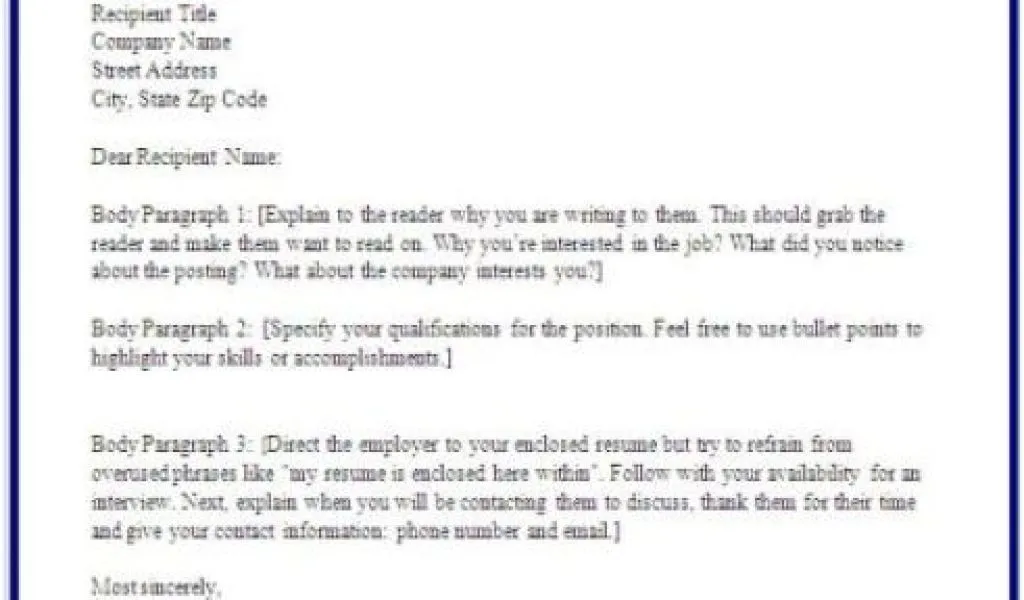
Formatting your cover letter correctly is essential for making a good first impression. The goal is to make it easy for the hiring manager to read and understand your message. Here are some formatting tips to help you: Keep it concise, aim for one page, using clear and concise language. Use a professional font like Arial, Calibri, or Times New Roman in a size between 10 and 12 points. Use clear headings to organize your content, with an appropriate amount of white space to make it easy to read. Proofread your cover letter carefully. Check for spelling, grammar, and punctuation errors. Having an error-free cover letter shows attention to detail. Use a professional business letter format, with your contact information at the top, the date, the hiring manager’s name and address (if known), and a formal closing. A well-formatted cover letter is a testament to your professionalism and attention to detail.
Customizing Your Cover Letter for Each Application
Generic cover letters rarely get noticed. The key to a successful cover letter is to customize it for each job you apply for. Generic letters often come off as impersonal, showing that you haven’t taken the time to understand the specific requirements of the job. Research the company and the specific role you’re applying for. Use keywords from the job description in your cover letter to show the hiring manager that you understand the role’s needs. Highlight the skills and experiences that match the job requirements. Modify the content to align with the company’s values and culture. Mention specific projects, initiatives, or goals that resonate with the company’s mission. This level of personalization tells the hiring manager that you are sincerely interested in the position and that you are well-prepared. Investing time in customization increases your chances of making a positive and lasting impression.