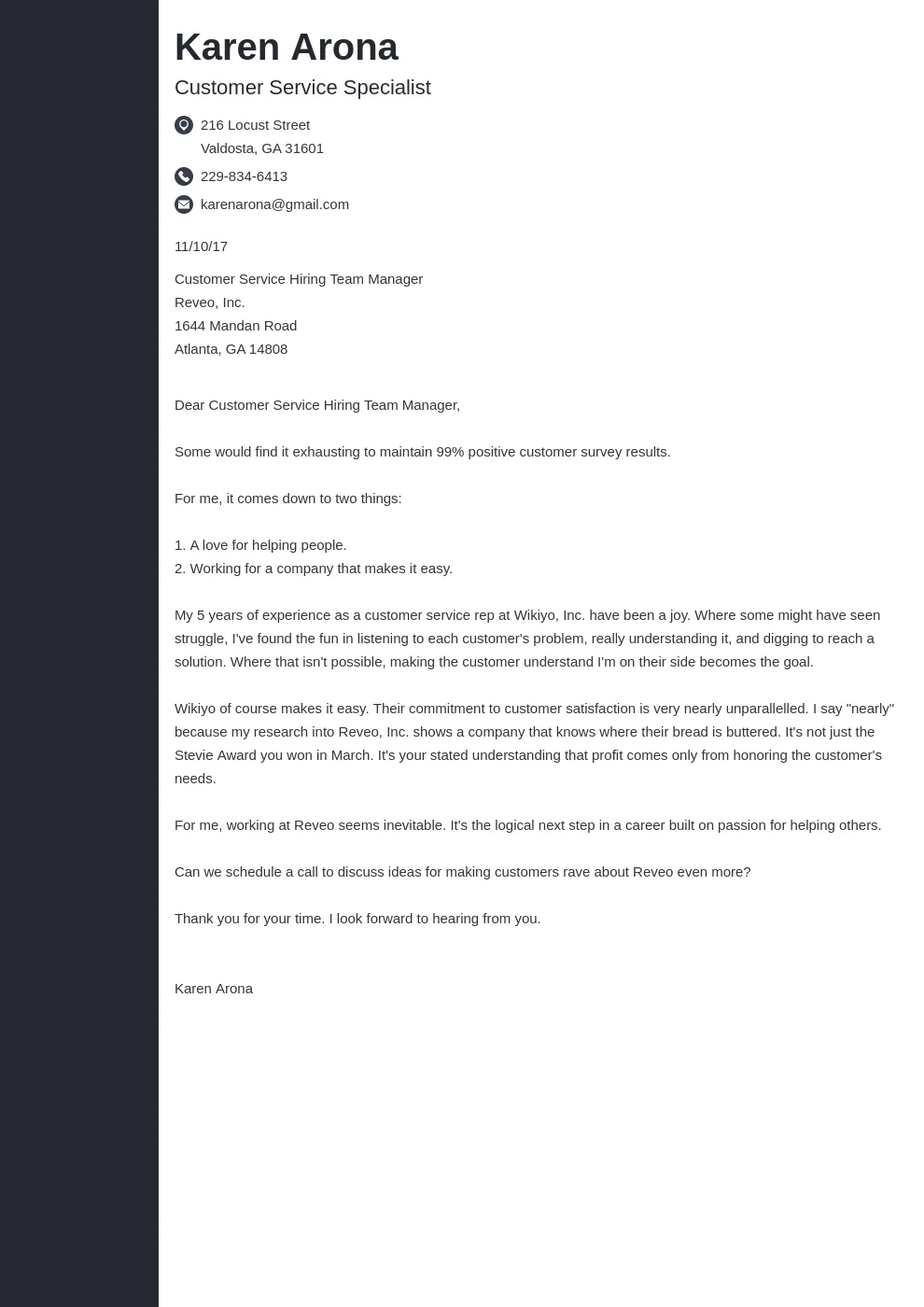
Crafting a compelling cover letter is a crucial step in any job application process. It’s your first opportunity to make a lasting impression on a potential employer and showcase your qualifications. However, before you even begin writing, one of the most fundamental questions arises to whom do you address it? This guide provides the ultimate insights into addressing a cover letter correctly, ensuring your application stands out from the competition and significantly increases your chances of landing an interview. We’ll cover everything from researching the hiring manager to avoiding common pitfalls, offering you a comprehensive overview to help you write a cover letter that gets noticed.
Who to Address a Cover Letter To
The ideal scenario is always to address your cover letter to a specific person. This shows that you’ve taken the time to research the company and are genuinely interested in the opportunity. Addressing the letter to a named individual immediately establishes a more personal connection, demonstrating attention to detail and initiative, qualities that are highly valued by recruiters. It’s far more impactful than using a generic greeting or leaving the addressee unspecified. Knowing the name of the hiring manager or the specific person responsible for reviewing applications allows you to tailor your letter more effectively and make a stronger first impression. Moreover, this approach subtly conveys respect and professionalism, indicating that you are serious about the role and have invested effort in your application.
Researching the Hiring Manager
Conducting thorough research is paramount to finding the appropriate person to address your cover letter to. Begin your search by exploring the company’s website, specifically the ‘About Us,’ ‘Contact,’ or ‘Careers’ sections. Many companies list the names and titles of their key personnel, or at least the hiring manager for a particular role. Take note of the department and the role you are applying for, as the relevant manager will be different depending on the position. Additionally, examine the job description closely, as it sometimes mentions the hiring manager’s name or the contact person. Utilize the company’s website to learn about its mission, values, and culture, all of which can provide useful context for your cover letter.
Checking the Company Website

The company website is a goldmine of information, often providing direct contact information for the relevant departments. Look for a ‘Contact Us’ or ‘Careers’ section. Within this, you might find a list of key employees, or at least the HR or hiring manager’s email. If you find a general email address, use it, but tailor your subject line to grab their attention. The goal is to find a specific person to address, making your application stand out. If no name is available, you can try using the job title, such as ‘Hiring Manager’ or the specific role’s title. Use the information gathered to create a professional and personalized cover letter, demonstrating that you’ve put in the effort to know more about the company.
Using LinkedIn
LinkedIn is an incredibly useful tool for identifying the hiring manager or relevant contact person. Search for the company and then navigate to the ‘People’ section. Filter the results by the job title you are applying for or by the department you’re targeting. This will help you find individuals who work in the hiring process. Once you’ve identified a potential contact, review their profile to confirm their role and title. You can also get insights into their professional background, experiences, and interests, which can aid in personalizing your cover letter. A personalized approach, which is more likely when you know the hiring manager, is extremely helpful in the job application process. If the manager’s profile doesn’t state their direct involvement, you may be able to contact them via LinkedIn and enquire about the appropriate person to send your cover letter to.
When to Use ‘To Whom It May Concern’
There are instances when it is impossible to find a specific name, and in such situations, using ‘To Whom It May Concern’ is an acceptable, though not ideal, solution. This is particularly true if you’ve exhausted all avenues of research and cannot find the hiring manager’s name on the company website or LinkedIn. In some cases, the job posting may not provide any contact details beyond a general email address, making it even more challenging to find the appropriate person to address your cover letter to. If this is the only option, ensure that the body of your cover letter shows that you have a strong interest in the company and the position. Tailor it to the company’s needs by focusing on the job requirements and the company’s values. However, remember this should be a last resort.
Why It’s Best to Avoid

Using ‘To Whom It May Concern’ should be avoided if at all possible. It’s a generic and impersonal greeting that does not capture the hiring manager’s attention. It can give the impression that you have not put in the required effort to customize your application, which can make your cover letter less impactful. In a competitive job market, every detail matters, and a generic cover letter can signal a lack of initiative and interest. By making a small effort to find the hiring manager’s name, you’re demonstrating initiative. If you absolutely can’t find a name, consider using the job title, e.g., ‘Dear Hiring Manager,’ as this still shows that you’re focused on the specific role.
The Importance of a Personalized Cover Letter
A personalized cover letter goes beyond a simple greeting. It should reflect that you understand the company’s values, mission, and the specific requirements of the role. A generic cover letter that lacks customization is likely to be ignored. This makes a significant difference in demonstrating your interest and suitability for the position. Personalization can extend to mentioning specific projects the company is involved in, showing you’ve taken the time to learn about their operations and their goals. It’s about showcasing that you are a good fit for the job and the company’s culture.
Showcasing Your Research and Interest
Personalizing your cover letter includes subtly referencing information gathered during your research. This could involve mentioning a recent company project, a specific achievement or award, or the company’s involvement in a cause that aligns with your values. By referencing these details, you’re showing that you have taken the initiative to research the company. Furthermore, you can also reference something you admire about the company culture or a specific aspect of the company’s work that resonates with you. This helps you connect with the hiring manager and demonstrates your genuine interest in joining their team. A personalized letter is about demonstrating that you understand what the company does, its values, and why you want to be a part of it.
Making a Strong First Impression

A cover letter is often the first impression you make on a potential employer. The way you address the letter, the tone you use, and the content you include contribute to your overall impression. A personalized cover letter allows you to create a strong, positive first impression by addressing the hiring manager by name. It instantly conveys professionalism and shows you’ve invested time. This will lead them to view your application more favorably. A well-crafted cover letter also provides you with an opportunity to present yourself in a way that accurately reflects your skills, experiences, and passion for the role, thus making the strongest impact possible.
Structuring Your Cover Letter
A well-structured cover letter is important for making sure your message is clear, concise, and persuasive. Your cover letter should follow a standard format that includes a header with your contact information, the date, and the recipient’s details, including the hiring manager’s name and title. The body of your letter typically consists of an opening paragraph, several body paragraphs, and a closing paragraph. Each section should serve a specific purpose, from introducing yourself to summarizing your qualifications. Effective structure makes your cover letter easy to read and allows the hiring manager to quickly grasp your key strengths and how they align with the job requirements.
Formatting Your Cover Letter
Formatting your cover letter is important for readability and professionalism. Use a standard font such as Times New Roman, Arial, or Calibri, with a font size between 10 and 12 points. Ensure there is proper spacing between paragraphs and sections. Consider using bullet points or numbered lists to highlight key achievements or skills. A well-formatted cover letter reflects your attention to detail and your professionalism. Use clear headings and subheadings to break up the text and guide the reader through the information. Proofread your cover letter carefully to avoid any grammatical errors or typos. It should look neat, organized, and easy to read. Remember that the goal is to make it as easy as possible for the hiring manager to evaluate your application.
Key Elements of a Cover Letter

A cover letter should consist of several key elements to effectively communicate your qualifications. The opening paragraph should introduce yourself, state the position you’re applying for, and briefly mention where you saw the job posting. This immediately tells the hiring manager what the letter is about. The body of the letter is where you highlight your skills, experiences, and achievements that are most relevant to the job description. Provide specific examples to demonstrate how you have succeeded in previous roles and explain how your skills align with the job requirements. The closing paragraph should summarize your interest in the position and thank the hiring manager for their time and consideration, including a call to action to request an interview.
What to Include in Your Cover Letter
The content of your cover letter should focus on the most relevant information to the job you’re applying for. Highlight your most significant skills, experience, and accomplishments, ensuring they are aligned with the requirements outlined in the job description. It’s important to provide specific examples of how you have demonstrated these skills in the past. Focus on quantifying your achievements whenever possible. Instead of stating that you improved sales, mention by what percentage you increased them and over what period. Always tailor your cover letter to each job application, as it makes a much better impact. Show how you can contribute to the company’s goals and overall success.
Highlighting Your Skills and Experience
Carefully select the skills and experiences to highlight in your cover letter, making sure they align with the requirements of the job. Analyze the job description carefully to identify the key skills and qualifications the employer is looking for. Then, highlight your relevant skills, experiences, and accomplishments by providing specific examples to demonstrate your ability to succeed in the role. Use action verbs to describe your accomplishments and quantify your achievements whenever possible. For example, instead of saying you managed a team, state how many people you managed and what the results were under your leadership. Including these details helps to give your claims credibility, helping you get your foot in the door.
Tailoring to the Job Description

Tailoring your cover letter to the specific job description is essential for capturing the hiring manager’s attention and showing your suitability for the role. Begin by carefully reading the job description to identify the key requirements, skills, and qualifications the employer is looking for. Then, tailor your cover letter to address these requirements directly by highlighting your relevant experiences. Avoid using a generic template. Instead, use the language of the job description to describe your skills and qualifications. Demonstrate a clear understanding of the company’s needs and demonstrate how your skills and experience can meet those needs.
Common Cover Letter Mistakes
Avoiding common mistakes in your cover letter is critical to making a positive impression on potential employers. Simple errors can create negative impressions and make your application less effective. Common mistakes can include poor formatting, grammatical errors, generic content, and a lack of personalization. By understanding and avoiding these errors, you can significantly increase the chances of your cover letter getting you noticed.
Grammar and Spelling Errors
Grammar and spelling errors can instantly undermine the credibility of your cover letter, suggesting a lack of attention to detail and a lack of professionalism. Always proofread your cover letter carefully to ensure it is free from grammatical errors and typos. Use a grammar checker to catch any errors that you may have missed. Consider having a friend or colleague review your cover letter, as a second pair of eyes can often catch mistakes that you might overlook. A well-written, error-free cover letter is essential for making a positive impression on potential employers and demonstrating your attention to detail.
Generic Cover Letters

Submitting a generic cover letter that is not tailored to the specific job or company is a common mistake. A generic cover letter can make you seem uninterested. Hiring managers want to see that you have put in the required time and effort to customize your application, so personalize your letter to the company and role. The hiring manager will see that you have taken the time to show that you are qualified. Make sure you include specific examples of how your skills and experiences are relevant to the job description. By avoiding these common mistakes, you can write a cover letter that captures the attention of hiring managers and makes your application more effective.
Not Proofreading
Failing to proofread your cover letter is one of the most easily avoidable mistakes. Always review your cover letter several times to make sure it is free of spelling, grammar, and formatting errors. These errors are distracting and make you appear unprofessional. Review your cover letter for any inconsistencies or confusing statements, and read your cover letter out loud to catch any awkward phrasing. Proofreading should be done before you submit your application to make sure your cover letter reflects your best self and the care and attention you have put into your application.
Conclusion
Addressing your cover letter correctly is more than just a formality it’s a vital step in the job application process. By researching the hiring manager, personalizing your cover letter, and avoiding common mistakes, you can significantly increase your chances of making a strong first impression. Remember that the aim is to show that you have researched the company and have what it takes to succeed in the role. It’s worth the effort to find the right person, but in the event of a search failure, it is perfectly fine to use a generic greeting like Dear Hiring Manager. By following these tips, you can write a cover letter that gets you noticed and helps you land your dream job. Good luck with your job search!