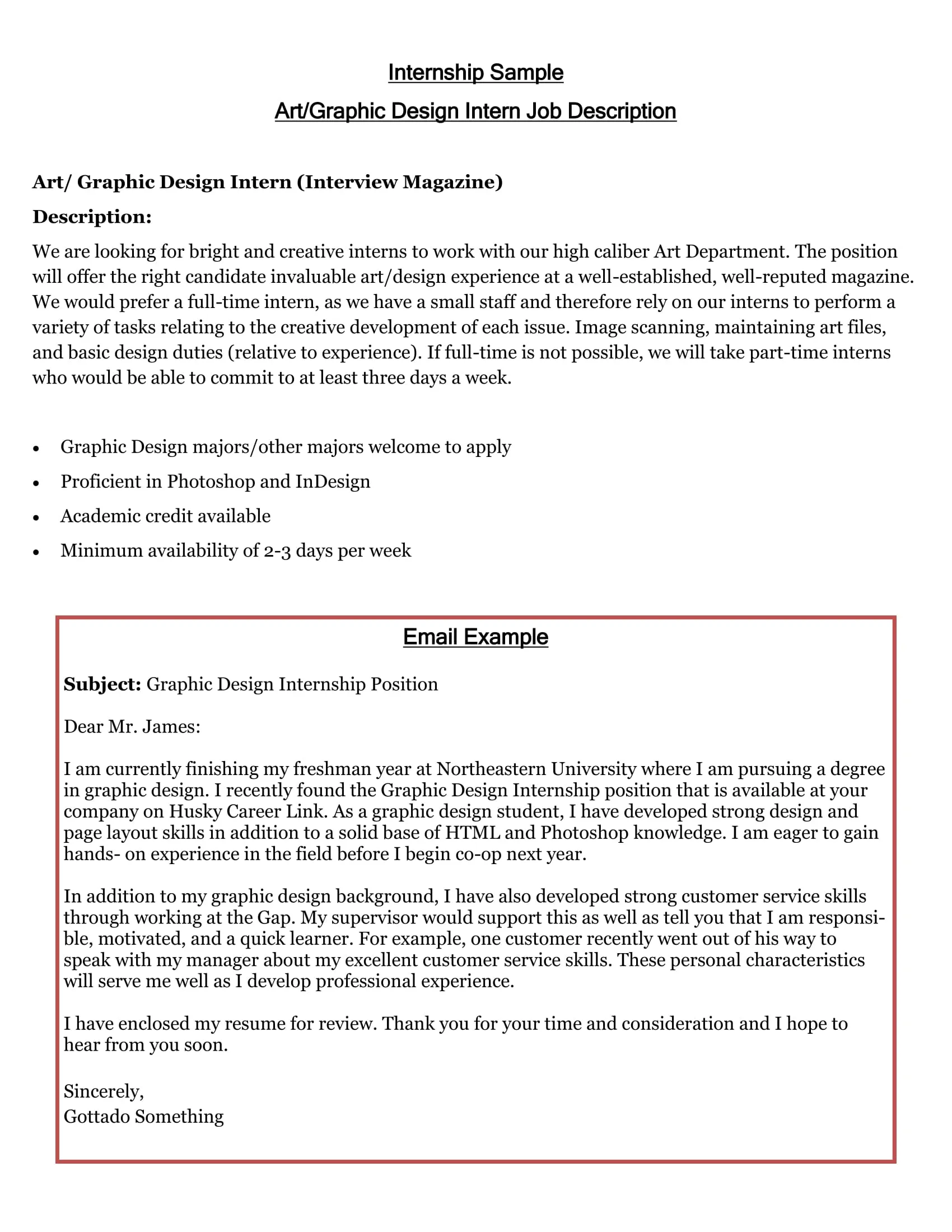
Crafting a Compelling Internship Cover Letter
An internship cover letter is your first introduction to a potential employer. It is a crucial document that can significantly increase your chances of landing an interview and ultimately securing the internship. It’s your chance to showcase your personality, skills, and enthusiasm for the opportunity. A well-written cover letter complements your resume and provides a more detailed explanation of why you are the perfect fit for the internship.
Understanding the Purpose of a Cover Letter
The primary purpose of a cover letter is to persuade the hiring manager to read your resume. It’s your chance to make a strong first impression and highlight the most relevant aspects of your background. While your resume provides a factual overview, your cover letter allows you to tell a story, demonstrating your passion for the field and explaining why you are interested in this specific internship.
Highlighting Your Skills and Experience

Your cover letter should clearly articulate the skills and experiences you possess that align with the internship requirements. This isn’t merely a repetition of your resume; instead, provide context and explain how your skills translate into value for the company. Think about specific projects, coursework, or experiences where you successfully applied your skills and what the outcomes were. Quantify your achievements whenever possible to provide concrete evidence of your capabilities.
Tailoring Your Cover Letter to the Internship
Generic cover letters are easily identified and often discarded. It is important to customize each cover letter to the specific internship and company. Read the job description carefully and identify the key skills and qualifications the employer is seeking. Then, demonstrate how your skills and experiences match those requirements. This shows the employer that you have taken the time to understand the role and are genuinely interested in the opportunity.
Researching the Company and Internship
Before you start writing, research the company and the specific internship. Understanding the company’s mission, values, and recent projects will allow you to align your cover letter with their goals. Research the specific internship responsibilities to understand what the employer is looking for. This will allow you to tailor your letter and show the company that you are genuinely interested in them and the role.
Addressing the Specific Requirements

Carefully review the internship description and identify the required skills and qualifications. Address these directly in your cover letter, providing concrete examples of how you have demonstrated those skills in the past. If the description mentions specific software, projects, or experiences, be sure to mention them and explain your proficiency. This targeted approach shows that you are a strong match for the position.
Structuring Your Internship Cover Letter
A well-structured cover letter is easy to read and leaves a positive impression. Follow a standard format to ensure clarity and professionalism. Ensure your cover letter has clear sections and paragraphs that flow naturally and make it easy for the hiring manager to quickly understand your qualifications and interest in the internship.
The Header Your Contact Information
Your header should include your full name, address, phone number, and email address. Make sure your email address is professional. This information should be at the top of your cover letter so the hiring manager can quickly contact you. Ensure the information is accurate and up-to-date.
The Greeting Addressing the Hiring Manager

Address the hiring manager by name if possible. Research the company website or LinkedIn to find the name and title of the person reviewing applications. If you can’t find a specific name, use a professional greeting like ‘Dear Hiring Manager’ or ‘Dear [Department Name] Team’. Avoid generic greetings like ‘To Whom It May Concern’.
The Body Showcasing Your Value
The body of your cover letter is where you showcase your skills and experience. This section should be divided into a few paragraphs, each focusing on a specific aspect of your qualifications and interest in the internship. Use clear and concise language, and avoid jargon that the reader might not understand. Your goal is to provide a persuasive case for why you are a good fit for the position.
Opening Paragraph Captivate the Reader
Start with a strong opening paragraph that grabs the reader’s attention. Mention the specific internship you are applying for and how you found out about it. Briefly state your interest in the role and the company. You can also mention a key skill or achievement that makes you stand out. The opening paragraph should serve as an introduction and set the tone for the rest of your letter.
Middle Paragraphs Demonstrating Skills

In the middle paragraphs, provide details about your skills and experiences. Use examples from your coursework, projects, or previous work experiences to demonstrate your abilities. Quantify your achievements whenever possible. For example, instead of saying ‘I managed social media,’ say ‘I increased social media engagement by 30% in three months.’ The middle paragraphs should make a strong case for your qualifications.
Concluding Paragraph Call to Action
In your concluding paragraph, restate your interest in the internship and the company. Express your enthusiasm for the opportunity. Include a call to action, such as stating that you are available for an interview and look forward to hearing from them. Be sure to thank the hiring manager for their time and consideration.
The Closing Expressing Gratitude and Enthusiasm
End your cover letter with a professional closing, such as ‘Sincerely’ or ‘Best regards’. Below the closing, leave space for your signature (if printing the letter) and type your full name. Thank the hiring manager for their time and consideration. This final touch reinforces your professionalism and enthusiasm for the internship.
Formatting Your Cover Letter

Proper formatting is crucial for readability and professionalism. Use a clean and consistent format throughout your cover letter. Pay attention to font, spacing, and alignment to create a polished and well-organized document. Well-formatted letter leaves a positive impression on the hiring manager.
Choosing the Right Font and Size
Choose a professional font like Times New Roman, Arial, or Calibri, and use a font size between 10 and 12 points. These fonts are easy to read and convey professionalism. Avoid using overly decorative or unusual fonts, as they can distract the reader. Maintain a consistent font throughout your cover letter.
Maintaining a Professional Tone
Use professional language and avoid slang, jargon, and contractions. Be polite and respectful in your tone. Proofread your cover letter carefully to ensure there are no grammatical errors or typos. The goal is to create a polished and professional document that reflects well on your skills and communication abilities.
Proofreading and Editing
Proofread your cover letter multiple times to catch any errors. Check for typos, grammatical errors, and inconsistencies in your formatting. It can be helpful to have someone else review your cover letter to provide a fresh perspective. A polished, error-free cover letter demonstrates your attention to detail and professionalism.
Common Mistakes to Avoid in Your Cover Letter
Avoid these common mistakes to improve your cover letter and increase your chances of success. Attention to detail and careful preparation can make the difference between landing an interview and being overlooked.
Generic Cover Letters
Do not send a generic cover letter. Always tailor your letter to the specific internship and company. Use specific language from the job description, and mention relevant skills and experiences. A generic letter shows that you haven’t taken the time to understand the opportunity and are not truly interested in the position.
Typos and Grammatical Errors
Typos and grammatical errors can make you appear careless and unprofessional. Proofread your cover letter carefully, and have someone else review it. A cover letter that is free of errors shows that you pay attention to detail and value quality.
Focusing Solely on Yourself
While you need to highlight your skills and experience, focus on how you can contribute to the company. Demonstrate how your skills align with the internship requirements and how you can add value to the team. Show how the opportunity will benefit both you and the company.
Ignoring the Internship Requirements
Carefully read the internship description and address the specific requirements in your cover letter. Show the employer that you meet the qualifications. Tailor your letter to highlight your relevant skills and experiences. Ignoring the requirements decreases your chance of getting the position.