Cover Letter Essentials What to Include
A cover letter is your first introduction to a potential employer, and it can significantly impact your chances of landing an interview. Unlike a resume, which provides a snapshot of your qualifications, a cover letter allows you to express your personality, highlight specific achievements, and explain why you are the perfect fit for the role. It’s a crucial opportunity to showcase your communication skills and demonstrate your genuine interest in the position. Mastering the art of the cover letter means crafting a document that is clear, concise, and tailored to the specific job you are applying for. A well-written cover letter not only complements your resume but also provides a compelling narrative of your professional journey and aspirations. This guide will provide you with the essential components of a successful cover letter template to help boost your chances of success in the job market.
Contact Information Your Key First Step
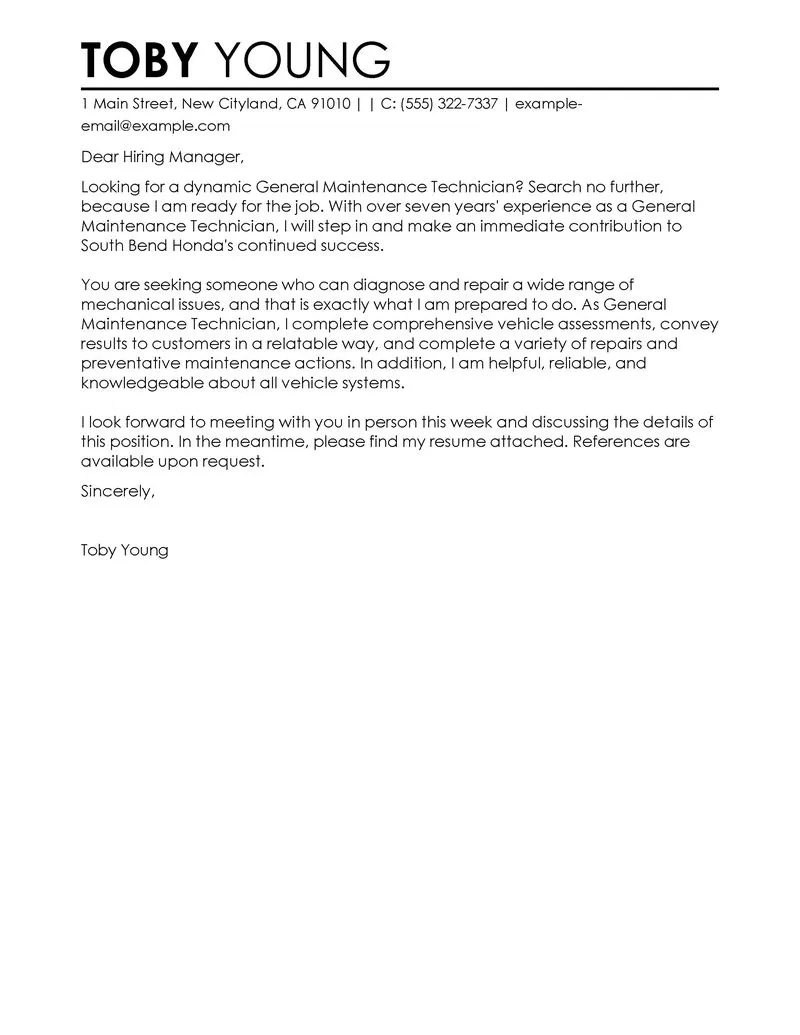
The foundation of any professional communication, including your cover letter, is your contact information. This section ensures that the hiring manager can easily reach you if they are impressed with your application. Accuracy and professionalism are key here, so double-check every detail. Your contact information should be positioned at the top of the letter, typically aligned to the left or right. It should include your full name, phone number, email address, and optionally, your LinkedIn profile URL. Ensure that the email address is professional, using your name or a variation thereof, rather than a casual or outdated address. This initial impression sets the tone for the rest of the letter, so precision here is crucial.
Your Name and Contact Details

Begin with your full, formal name. Include your phone number, making sure to specify the country code if you’re applying internationally. Your email address should be professional, such as ‘firstname.lastname@email.com’. A LinkedIn profile URL is optional but can be valuable, providing an easy way for the recruiter to view your professional background and network.
Date of the Cover Letter
Below your contact details, include the date the cover letter is written. This is important for administrative purposes and shows the letter is current. Format the date in a standard way, like ‘October 26, 2023’ or ‘26 October 2023’, depending on the standard format in your region. This shows attention to detail and organizational skills.
Recipient’s Information
Always address the hiring manager or the specific person responsible for hiring if possible. Research the company’s website or use LinkedIn to find the name and title of the hiring manager. If you can’t find a specific name, use a formal greeting like ‘Dear Hiring Manager’. Include the recipient’s title, company name, and address, as this shows you have taken the initiative to learn about the company and the role.
Greeting the Hiring Manager

Start the letter with a professional greeting. ‘Dear Mr./Ms./Mx. [Last Name]’ is ideal if you know the recipient’s name. Avoid generic greetings like ‘To Whom It May Concern’ whenever possible, as it lacks personalization. If you are unsure of the gender, a simple ‘Dear [First Name] [Last Name]’ or ‘Dear Hiring Manager’ is appropriate. A personalized greeting immediately establishes a connection and demonstrates your attention to detail.
Opening Paragraph Grab Their Attention
The opening paragraph is your first chance to make a strong impression. It should immediately capture the reader’s attention and clearly state why you are writing the cover letter. Mention the specific position you are applying for and where you saw the job posting. Briefly summarize your most relevant qualifications and express your enthusiasm for the role and the company. This paragraph should be concise and compelling, setting the stage for the rest of your letter. Make sure the opening paragraph quickly communicates your value proposition and why the employer should consider reading further.
State the Purpose of Your Letter
Clearly state the position you are applying for. Reference the job title and where you found the job posting (e.g., ‘I am writing to express my interest in the Marketing Manager position advertised on LinkedIn’). This provides immediate context and ensures the reader knows the purpose of the letter right away.
Show Your Enthusiasm

Convey your genuine interest in the role and the company. Express your excitement about the opportunity to contribute to the team and the company’s mission. Showing enthusiasm makes you appear more approachable and shows you are eager to take on the challenge.
Highlight Your Key Skills and Experience
This is where you showcase your abilities and how they align with the job requirements. Focus on the skills and experiences that are most relevant to the position. Review the job description carefully and identify the key qualifications the employer is seeking. Use this section to highlight your achievements and provide specific examples of how you have demonstrated these skills in the past. Use keywords from the job description to show that you understand what the employer is looking for. By aligning your experiences with their needs, you significantly increase your chances of making a positive impression.
Matching Skills to the Job Requirements
Carefully review the job description to identify the key skills and experiences the employer seeks. Tailor your cover letter to match these requirements, highlighting your relevant skills. Provide examples of how you have successfully applied these skills in previous roles. This targeted approach demonstrates your understanding of the role and your ability to meet the employer’s needs.
Quantify Your Achievements With Numbers

Whenever possible, quantify your accomplishments using numbers and data. For example, instead of saying ‘Improved sales,’ say ‘Increased sales by 15% within six months.’ Numbers provide concrete evidence of your abilities and make your achievements more impactful. This also demonstrates your analytical skills and ability to measure success.
Provide Specific Examples
Instead of simply listing your skills, provide specific examples that illustrate how you have used those skills in practice. Use the STAR method (Situation, Task, Action, Result) to structure your examples. Describe the situation you faced, the task you were assigned, the action you took, and the result you achieved. This helps the employer understand the impact you can make in a new role.
Express Your Interest and Motivation
This section is about demonstrating your understanding of the company and your reasons for wanting to work there. Research the company thoroughly to understand its mission, values, and recent achievements. Explain why you are interested in the company specifically and how your goals align with theirs. Showing that you’ve done your homework and share the company’s values demonstrates your long-term commitment and genuine interest in the role. This makes the hiring manager see you as a potential asset, not just an applicant.
Closing the Letter

The closing paragraph should summarize your key qualifications and reiterate your interest in the position. Thank the reader for their time and consideration. Include a call to action, such as stating that you are available for an interview. Keep the tone professional and enthusiastic, leaving the reader with a positive final impression. The goal is to reinforce your value and make it easy for them to take the next step.
Reiterate Your Interest
Briefly restate your interest in the role and why you are a good fit. Highlight your key qualifications and express enthusiasm for the opportunity. This reinforces your main points and ensures the reader remembers your key selling points.
Call to Action
Include a clear call to action. For example, state that you are available for an interview and look forward to discussing your qualifications further. Provide your contact information again, making it easy for the recruiter to reach you. This shows that you are proactive and eager to move forward in the hiring process.
Sign-off and Signature

End with a professional sign-off, such as ‘Sincerely,’ ‘Best regards,’ or ‘Thank you.’ If you are submitting a digital copy, type your full name under the sign-off. If you’re sending a physical copy, leave space for your signature above your typed name. A handwritten signature adds a personal touch and shows that you are meticulous in your approach.