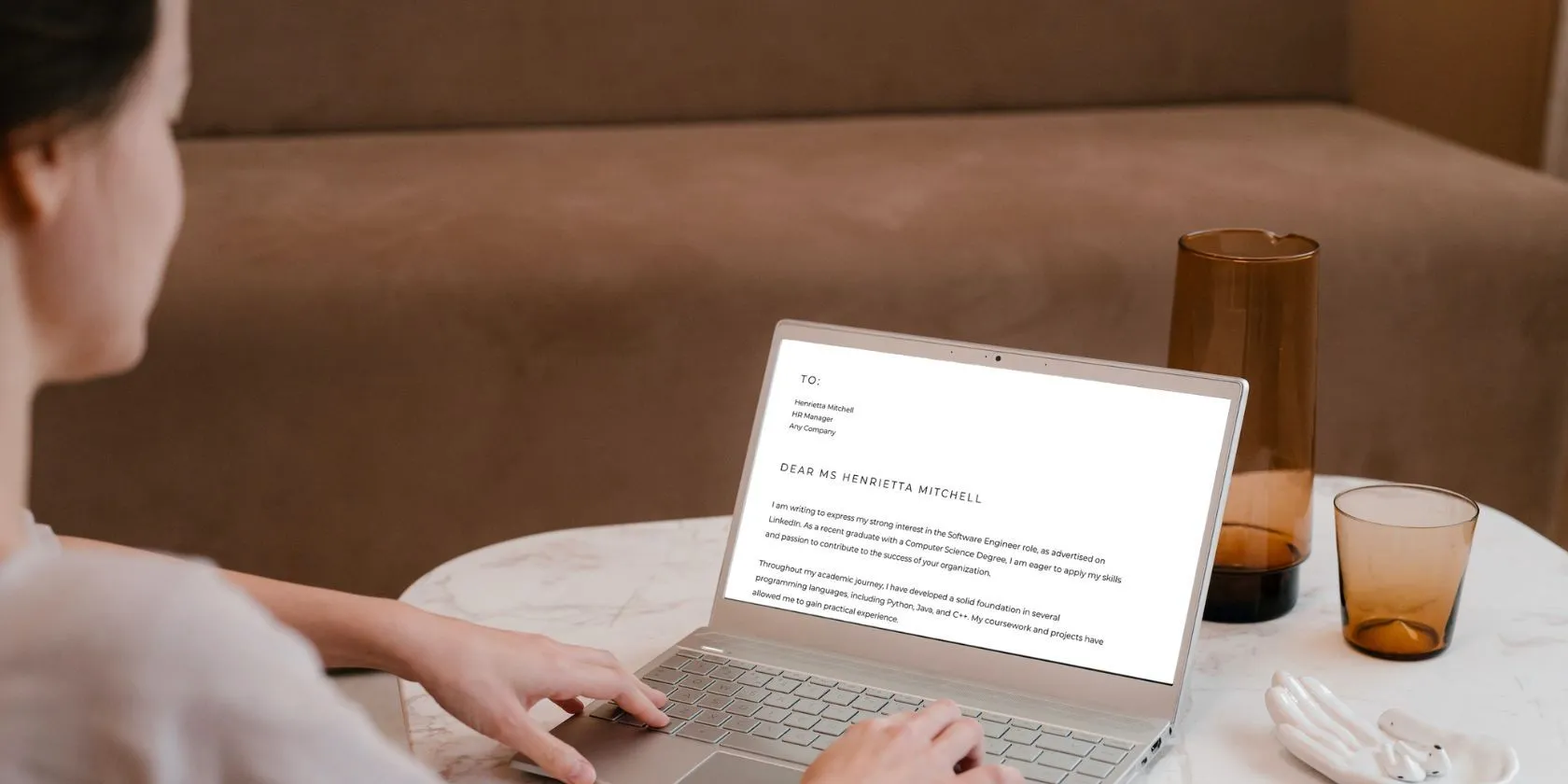
Why a Cover Letter Matters (Even With No Experience)
In a competitive job market, especially when you’re starting out with little to no professional experience, a cover letter is your chance to shine. It’s a crucial tool that allows you to go beyond your resume and tell the hiring manager your story. While a resume presents the facts, a cover letter showcases your personality, your passion, and how your unique skills and experiences align with the job requirements. This is particularly important for those with limited work history, as it allows you to explain gaps, highlight relevant skills gained from other sources, and demonstrate your genuine interest in the role and the company. By thoughtfully crafting a cover letter, you significantly increase your chances of standing out from the crowd and securing that all-important first interview.
Understanding the Cover Letter’s Purpose
The primary purpose of a cover letter is to introduce yourself to a potential employer and to express your interest in a specific job. Think of it as a sales pitch; you are selling yourself to the hiring manager. It’s your first impression, and it needs to be a good one. The letter should explain why you’re a good fit for the role, detailing how your skills and experiences (even if not directly job-related) make you a valuable candidate. It should also provide context to your resume, clarifying any potential gaps in your experience and highlighting your enthusiasm for the opportunity. Furthermore, it gives you the opportunity to personalize your application, demonstrating that you’ve taken the time to understand the company and the specific job requirements. By clearly articulating these points, your cover letter serves as a compelling invitation to learn more about you through an interview.
Highlighting Transferable Skills

When you lack direct work experience, focusing on transferable skills becomes paramount. Transferable skills are those that can be applied across various job roles and industries. These include communication, problem-solving, time management, teamwork, leadership, and adaptability. Think about your experiences in school, volunteer work, extracurricular activities, or personal projects. Identify instances where you’ve used these skills to achieve a goal or overcome a challenge. For example, if you organized a fundraising event, you demonstrated project management, communication, and leadership skills. If you participated in a debate team, you honed your critical thinking and public speaking abilities. These skills, though not directly tied to a job, are highly valued by employers and can be crucial in demonstrating your potential.
Identifying Your Skills
The first step is to make a list of all the skills you possess. This should include both hard skills (technical abilities like proficiency in software, coding languages, or specific tools) and soft skills (interpersonal and personal attributes). Be honest with yourself and list everything you believe you are good at. Review the job description for the position you’re applying for and identify the skills the employer is seeking. Then, compare your skills list with the job requirements. Focus on those skills that overlap and demonstrate how you have used them in the past. This targeted approach ensures your cover letter highlights the most relevant and compelling aspects of your abilities.
Showcasing Soft Skills
Soft skills are critical in the modern workplace. These skills encompass your personality traits, communication style, and how you interact with others. They are often the deciding factor in whether a candidate is hired, even if they lack extensive experience. Examples of soft skills include communication (written and verbal), teamwork, problem-solving, adaptability, time management, and leadership. To effectively showcase these skills in your cover letter, provide specific examples. Instead of simply stating, “I am a good communicator,” describe a situation where you successfully communicated with a team, resolved a conflict, or presented an idea. Use the STAR method (Situation, Task, Action, Result) to provide a clear and concise narrative. This approach demonstrates your abilities through concrete evidence and makes your claims more convincing.
Emphasizing Education and Training

If you lack extensive work experience, your education and any relevant training become even more crucial. Highlight your academic achievements, coursework, and any specialized training you’ve completed. For example, if you took courses that relate to the job you’re applying for, be sure to mention them. Did you write a thesis or complete a significant project? This is a prime opportunity to showcase your skills and abilities. Furthermore, if you’ve participated in internships, even unpaid ones, these provide valuable experience that can be included. Briefly describe your responsibilities, the skills you gained, and any accomplishments you achieved during your educational or training period. This demonstrates that you have invested in yourself and are committed to developing the skills needed for the job.
Formatting and Structure of Your Cover Letter
A well-formatted cover letter is essential for making a professional impression. Use a clean, easy-to-read font like Arial or Times New Roman, with a font size between 10 and 12 points. Maintain consistent formatting throughout the document, including margins, spacing, and alignment. Your cover letter should typically be one page long, and no longer. Break up large blocks of text with paragraphs to improve readability. Ensure that your cover letter is properly aligned and does not have any grammatical errors or spelling mistakes. A well-formatted cover letter will make your application look polished and professional, increasing your chances of getting noticed.
Essential Elements of a Cover Letter
Your cover letter should include several essential elements that demonstrate your suitability for the role. These include your contact information, a formal greeting, an engaging introduction, the body paragraphs detailing your skills and experiences, a compelling closing, and a professional sign-off. Each of these components should be carefully crafted to achieve specific goals. The contact information ensures the employer can reach you, while the greeting sets the tone. The introduction should grab the reader’s attention and clearly state your purpose. The body paragraphs should expand on your qualifications and highlight relevant skills. The closing should reiterate your interest and include a call to action, while the sign-off should be professional and courteous. Each element plays a critical role in making your application effective.
Contact Information and Date

At the top of your cover letter, include your full name, address, phone number, and email address. Make sure your email address sounds professional. If you don’t have a professional-sounding email, create one. Below your contact information, include the date the letter is written. If you are sending a physical letter, include the hiring manager’s name and title. If you are sending your cover letter via email, consider including the job title in the subject line.
Greeting and Introduction
Start with a professional greeting. If you know the hiring manager’s name, use it; otherwise, use “Dear Hiring Manager.” Your introduction should immediately capture the reader’s attention. Briefly state the position you are applying for and where you found the job posting. Then, state why you are interested in the role and the company. Highlight one or two key skills or experiences that make you a strong candidate. Avoid generic opening statements like “I am writing to express my interest.” Instead, create a unique hook that immediately draws the reader in and makes them want to learn more about you. Demonstrate your understanding of the company and your enthusiasm for the role right from the start.
Body Paragraphs Crafting the Narrative
The body paragraphs are where you showcase your qualifications. Use these paragraphs to highlight your relevant skills, experiences, and achievements. Explain how your background aligns with the job requirements and what you can bring to the company. Structure your paragraphs logically, focusing on the most important aspects of your qualifications. Provide specific examples to support your claims, demonstrating your abilities. Show, don’t just tell. This section is where you demonstrate your value, so make sure your writing is clear, concise, and compelling. Tailor your language to match the tone and style of the company and the specific job description.
Highlighting Relevant Experiences (Even if Limited)

If you have limited work experience, focus on the experiences you do have, such as internships, volunteer work, or academic projects. Explain your responsibilities and the skills you gained in each role. Even if your experience isn’t directly related to the job, emphasize any transferable skills you developed. For example, if you volunteered at a local charity, highlight any customer service, communication, or organizational skills you used. If you completed a group project in school, highlight your teamwork, problem-solving, and project management skills. Every experience has value, so identify the skills and accomplishments that align with the job requirements and showcase how you can contribute to the team.
Using Keywords and Tailoring Your Letter
Carefully review the job description and identify the keywords and phrases the employer uses to describe the ideal candidate. Incorporate these keywords naturally into your cover letter. Tailor your cover letter to the specific job you’re applying for; generic cover letters are easily recognized and often discarded. Research the company and its values. Customize your letter to demonstrate your understanding of the company’s mission and how your skills and experiences align with its goals. Highlighting your knowledge of the company shows you are genuinely interested in the position and have taken the time to understand its needs.
Demonstrating Enthusiasm and Interest
Show your enthusiasm for the position and the company. Express your genuine interest in the role and explain why you are excited about the opportunity. Research the company’s mission, values, and recent projects to demonstrate that you understand their work. Mention specific aspects of the role or the company that appeal to you. Personalize your letter and avoid generic statements. Your enthusiasm can set you apart from other candidates and show the hiring manager that you are truly motivated to work for their organization. Demonstrating your interest in the company shows that you are not simply looking for a job, but are seeking a career with a purpose.
The Importance of the Closing Paragraph

The closing paragraph is your final opportunity to leave a lasting impression. Briefly summarize your key qualifications and reiterate your interest in the role. Express your appreciation for the reader’s time and consideration. This section provides the final opportunity to reinforce the key points of your cover letter and to encourage the reader to take the next step in the hiring process, such as contacting you for an interview. A well-written closing paragraph will leave a positive and memorable impression on the hiring manager.
Call to Action and Contact Information
End your cover letter with a clear call to action. Request an interview or express your willingness to discuss your qualifications further. Provide your contact information again, making it easy for the hiring manager to reach you. Make it easy for them to take the next step, such as calling you to schedule an interview. Include your phone number and email address, ensuring they are up-to-date and professional. Ensure that you’re readily available to respond to any inquiries from the hiring manager.
Proofreading and Editing Your Cover Letter
Proofreading and editing are crucial steps. Errors can create a negative impression and undermine your credibility. Carefully review your cover letter for any grammatical errors, spelling mistakes, or typos. Use a grammar checker and spell checker, but also read your letter aloud to catch any awkward phrasing or sentence structure issues. It’s also beneficial to have someone else proofread your letter; a fresh pair of eyes can often spot errors you might have missed. Pay close attention to the details to ensure that your cover letter is polished and professional. This attention to detail demonstrates your commitment to quality and increases your chances of getting noticed.
Common Mistakes to Avoid

There are several common mistakes that can hurt your chances of getting hired. Avoid generic cover letters; personalize each letter to the specific job and company. Don’t simply repeat your resume; use the cover letter to expand on your qualifications and provide context. Avoid grammatical errors and typos; proofread carefully before submitting your application. Don’t make the letter too long; aim for one page. Avoid being negative or complaining; focus on your strengths and what you can offer. Don’t include irrelevant information or be overly casual. By avoiding these common pitfalls, you can significantly improve the effectiveness of your cover letter and increase your chances of securing an interview.
Seeking Feedback and Improving
Seek feedback from career counselors, mentors, or trusted friends and family members. Ask them to review your cover letter and provide constructive criticism. Consider their suggestions and make revisions as needed. You can also use online resources, such as cover letter templates and examples, to help you improve your writing. Continuously refining your cover letter is essential. As you gain more experience and apply for different jobs, you will want to update and tailor your cover letter to ensure it remains relevant and effective. The more you practice and the more feedback you receive, the better your cover letter will become.
Cover Letter Examples for No Experience
Examples can provide a useful guide to crafting a cover letter, especially when you’re starting your career. Review various examples tailored to different situations to get ideas about how to format your letter and express your skills. Tailor each example to fit your specific situation and the jobs you’re applying for. Remember that these are guides, and your cover letter should be unique to you. Always customize the examples to reflect your individual experiences, skills, and the requirements of the specific job and company.
Example 1 Recent Graduate
This example focuses on a recent graduate with limited work experience. It highlights academic achievements, relevant coursework, and any internships or volunteer work completed during their studies. The cover letter emphasizes transferable skills gained from education, such as project management, teamwork, and communication, as well as the candidate’s enthusiasm for the field and the specific company. Demonstrating a passion for the subject matter is a good strategy for those starting out. For instance, include details about any awards or notable projects you’ve worked on. Also, show how your education has prepared you to be a valuable asset.
Example 2 Career Changer
This example targets individuals looking to transition into a new career. It highlights transferable skills from previous roles, even if they are in different industries. It explains the rationale for the career change and emphasizes the candidate’s enthusiasm for the new field. Include any skills or experiences from your past career that are relevant to the new role. The cover letter should show how your background, despite being non-traditional, makes you a good fit for the new position. Show that you have done your research on the job responsibilities and how you can fulfill them. For instance, discuss any online courses or workshops you’ve taken to gain relevant experience.
Example 3 Student
This example addresses students seeking part-time jobs or internships. It focuses on academic achievements, extracurricular activities, and volunteer work. It demonstrates the candidate’s commitment, enthusiasm, and willingness to learn. This cover letter often emphasizes the candidate’s ability to balance academic responsibilities with work or other activities. The student emphasizes their adaptability and eagerness to contribute. Even if the experience is minimal, highlight any instances where you have collaborated with a team or worked to achieve a common goal. Demonstrate your willingness to learn and your commitment to the company’s values. Use the cover letter to show why you are a good investment for the company.
Conclusion Crafting Your Cover Letter
Crafting a cover letter when you have no experience can be challenging, but it is an excellent opportunity to demonstrate your potential. By focusing on your transferable skills, education, and enthusiasm, you can create a compelling cover letter that highlights your value. Remember to tailor your letter to each job and company, and always proofread and edit carefully. Seeking feedback from others is also extremely valuable. With careful planning and attention to detail, you can write a cover letter that helps you ace your first job application and land your dream job. Embrace this opportunity to showcase your abilities and make a memorable first impression, turning a perceived disadvantage into a significant advantage.