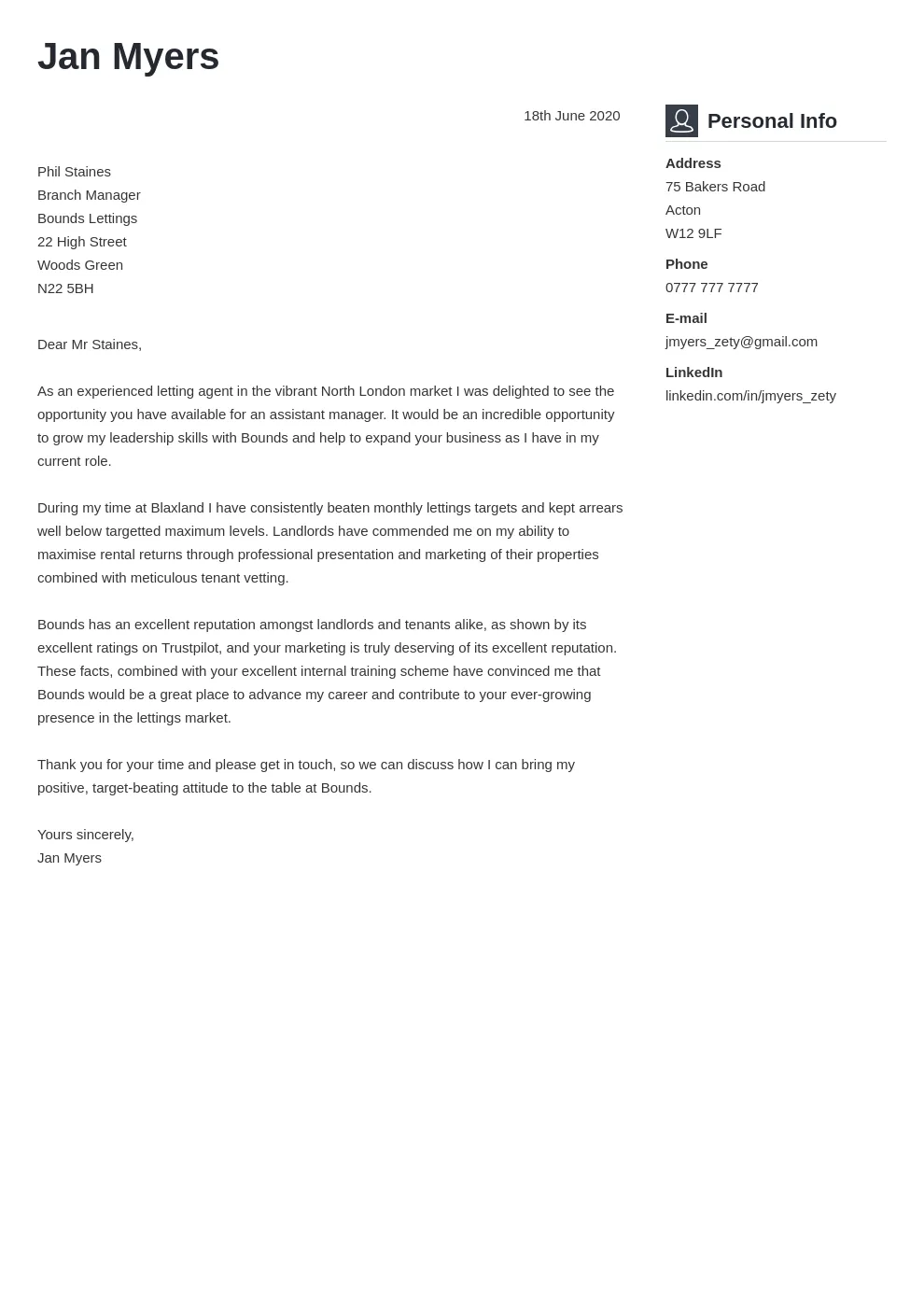
What is a Cover Letter and Why Do You Need One
A cover letter is a crucial document that accompanies your CV or resume when applying for a job. Think of it as your personal introduction to a potential employer, a chance to showcase your personality, skills, and enthusiasm for the specific role and company. While your CV provides a factual overview of your experience and qualifications, the cover letter adds context, explaining why you are the perfect fit for the position and what you can bring to the table. In the competitive job market, a well-crafted cover letter can significantly increase your chances of landing an interview, making it a non-negotiable part of the application process. It’s your first impression, and it needs to be a good one.
The Purpose of a Cover Letter
The primary purpose of a cover letter is to persuade the hiring manager to read your CV and, ultimately, to invite you for an interview. It allows you to elaborate on your skills and experiences, demonstrating how they align with the job requirements and the company’s values. The cover letter provides an opportunity to highlight your unique selling points, showcasing what makes you stand out from other candidates. Furthermore, it allows you to express your genuine interest in the company and the specific role, which can make a significant difference in a recruiter’s decision-making process. A strong cover letter goes beyond simply repeating information from your CV; it tells a story, creating a compelling narrative that makes you memorable.
Key Components of a Cover Letter

A well-structured cover letter comprises several key components that work together to create a persuasive and professional document. Each element plays a specific role in conveying your qualifications and enthusiasm. A comprehensive approach ensures that you present a complete picture of yourself as a candidate and demonstrate your genuine interest in the opportunity. Understanding and correctly implementing these components are crucial for crafting a cover letter that effectively captures the attention of the hiring manager and increases your chances of securing an interview.
Header Information
The header of your cover letter should include your contact information and the date, ensuring the recruiter knows how to reach you. Always include your full name, phone number, email address, and optionally, your LinkedIn profile URL. It’s a standard practice to align the header to the left or the right, depending on your preference, and ensure that it is easily accessible. Also include the date and the hiring manager’s name and address, if available, which demonstrates that you have tailored your letter to the specific company and position. This simple step reflects professionalism and attention to detail.
Greeting
The greeting sets the tone for your cover letter. It’s best to address the hiring manager by name, which shows that you’ve done your research and are making a personal connection. If the hiring manager’s name is not available, use a professional greeting like ‘Dear Hiring Manager’ or ‘Dear [Department Name] Team.’ Avoid generic greetings like ‘To Whom It May Concern,’ as these can come across as impersonal and show a lack of effort. Always double-check the spelling of the name, which can also help you make a positive first impression.
Opening Paragraph

The opening paragraph is your chance to grab the reader’s attention. State the position you’re applying for and how you found out about the opportunity. Briefly highlight your key qualifications and express your enthusiasm for the role and the company. Avoid generic opening lines; instead, provide a concise and compelling overview of your strongest assets and why you are the best candidate. This paragraph sets the stage for the rest of the letter and encourages the reader to continue exploring your application. It must establish your value proposition and capture the hiring manager’s interest from the start.
Body Paragraphs
The body paragraphs are the heart of your cover letter, where you showcase your skills, experience, and accomplishments in detail. Use this section to explain how your qualifications align with the job requirements, providing specific examples to support your claims. Tailor each paragraph to match the specific needs of the role, referencing the job description and highlighting relevant experiences. Emphasize your accomplishments and, whenever possible, quantify your results. This section provides evidence of your capabilities and how you can contribute to the company’s success.
Highlighting Skills and Experience
When highlighting your skills and experience, focus on the qualities and expertise that are most relevant to the job description. Instead of just listing your skills, explain how you have used them in past roles and what results you achieved. Use action verbs to describe your accomplishments, showcasing your ability to take initiative and achieve tangible outcomes. Tailor your examples to reflect the specific requirements of the role and highlight how your previous experiences have prepared you for success. The key is to demonstrate that you are not just qualified, but a strong fit for the position.
Matching Skills to the Job Description

Carefully review the job description and identify the key skills and qualifications the employer is seeking. Then, map your skills and experiences to those requirements, providing concrete examples of how you have demonstrated those skills in the past. This targeted approach shows the recruiter that you have read the job description and that you are a strong match for the position. Using keywords from the job description will also help your cover letter pass through applicant tracking systems (ATS) and make it to the hiring manager.
Quantifying Achievements
Whenever possible, quantify your achievements to demonstrate the impact you have had in previous roles. Use numbers and metrics to illustrate your accomplishments, such as ‘increased sales by 20%’ or ‘managed a team of 10 employees.’ Quantifiable results provide clear evidence of your capabilities and make your cover letter more compelling. Specific numbers demonstrate that you deliver measurable results, making your application more attractive. Consider using data to show what you have achieved.
Call to Action and Closing
In the closing paragraph, reiterate your interest in the position and express your enthusiasm for the opportunity. Include a call to action, such as stating that you are eager to discuss your qualifications in an interview or that you look forward to hearing from them soon. Thank the hiring manager for their time and consideration. Always end the cover letter with a professional closing, such as ‘Sincerely’ or ‘Best regards,’ followed by your full name. A strong and clear ending reinforces your interest and encourages the next step in the hiring process.
Formatting and Style Tips

The formatting and style of your cover letter contribute significantly to its overall professionalism and readability. Choose a clear and readable font, use appropriate spacing, and proofread carefully to ensure that your document is polished and error-free. These details can influence the hiring manager’s perception of your attention to detail and commitment to excellence, ultimately impacting your chances of landing an interview. Proper formatting and style demonstrate your respect for the hiring process.
Font and Readability
Select a professional and easy-to-read font, such as Times New Roman, Arial, or Calibri, and use a font size of 11 or 12 points. Ensure that your cover letter has adequate spacing between lines and paragraphs to enhance readability. Use bolding, italics, or bullet points sparingly to highlight key information and break up large blocks of text. A well-formatted cover letter is easy on the eyes and allows the reader to quickly grasp the key points, increasing the likelihood that your message will be absorbed.
Length and Tone
Keep your cover letter concise and focused, generally keeping it to one page. Use a professional and enthusiastic tone throughout the document, conveying your interest in the role and the company. Avoid overly formal language, but also refrain from being overly casual. Aim for a tone that is both personable and respectful, allowing your personality to shine through while maintaining a professional image. Tailor the tone of your cover letter to align with the company culture.
Proofreading and Editing

Thoroughly proofread and edit your cover letter before submitting it. Check for grammatical errors, typos, and inconsistencies. It’s a good idea to have a friend or career advisor review your letter to catch any mistakes you might have missed. A polished and error-free cover letter demonstrates your attention to detail and professionalism, which is essential for making a positive impression on the hiring manager. Mistakes are a major turnoff.
Cover Letter Templates and Examples
Using cover letter templates and examples can provide a valuable starting point for crafting your own document. Templates can guide you on the structure and format of your cover letter. However, it’s important to adapt these templates to your unique situation. This adaptation will make sure that the document reflects your skills, experiences, and the specific requirements of the job you are applying for. This is why you should use them more as an inspiration and a framework rather than a finished product.
Where to Find Templates
You can find numerous cover letter templates online, on websites like Resume.com, or in word processing software such as Microsoft Word or Google Docs. Many career advice websites also offer free cover letter templates and examples. Look for templates that are suitable for your industry and the type of job you are applying for. Consider the format of the template and if it matches your desired style, and do some research to pick a template that offers a strong structure.
Adapting Templates to Your Needs

When using a cover letter template, be sure to tailor it to your specific qualifications, the job requirements, and the company. Customize the content to reflect your experiences, skills, and accomplishments. Avoid using generic phrases or simply filling in the blanks. The more personal and tailored your cover letter is, the more impactful it will be. Always proofread your finished cover letter to ensure that the wording is correct and appropriate.
Common Cover Letter Mistakes to Avoid
Avoiding common mistakes can significantly improve the effectiveness of your cover letter. It’s important to be aware of these pitfalls and take steps to prevent them. This attention to detail shows that you’re serious about the job and will help you make a better impression. Avoid these and you will already be ahead of the competition.
Grammatical Errors and Typos
Grammatical errors and typos can undermine your credibility and create a negative impression. Always proofread your cover letter carefully, or have someone else proofread it for you. Even minor errors can make you look careless or unprofessional, so take the time to ensure your letter is free of mistakes. Run spell check and grammar check tools to help identify any obvious errors, and read it aloud.
Generic or Vague Content

Avoid using generic or vague language that doesn’t highlight your specific skills and experiences. Instead, provide concrete examples and specific details. Use action verbs, quantify your achievements, and tailor your content to the job description. Generic content doesn’t show the hiring manager why you’re the right person for the job. Use specific examples and tailor the application to the specific needs of the role.
Failing to Tailor the Letter
Do not send a generic cover letter to every job you apply for. Tailor each letter to the specific job requirements and the company’s values. Research the company, review the job description carefully, and highlight the skills and experiences that are most relevant. A tailored cover letter shows that you are genuinely interested in the role and have taken the time to understand the employer’s needs.
Cover Letter Best Practices
Adhering to best practices can significantly improve the impact of your cover letter and increase your chances of getting an interview. Researching the company, using keywords strategically, and following up are all critical steps in the job application process. These practices showcase your attention to detail and commitment to finding the right job and company.
Researching the Company
Before writing your cover letter, research the company to gain a better understanding of its mission, values, and culture. This research will help you tailor your letter to the company’s specific needs and demonstrate your genuine interest in the opportunity. Visit the company’s website, read their news articles, and check their social media profiles to learn more. You can also research the hiring manager and their background. The information allows you to make a more impactful impression.
Using Keywords Strategically
Review the job description and identify the key keywords and phrases that the employer is looking for. Incorporate these keywords naturally throughout your cover letter, especially in the body paragraphs. This will help your application pass through applicant tracking systems (ATS) and increase your chances of getting noticed by the hiring manager. Make sure that the keywords are incorporated in a way that complements your writing and makes sense.
Following Up
After submitting your cover letter and CV, consider sending a follow-up email to the hiring manager to express your continued interest in the role. A follow-up email can help you stay top-of-mind and demonstrate your enthusiasm. Send the email approximately one week after submitting your application. In the email, reiterate your interest, briefly summarize your qualifications, and ask about the status of your application. Be polite and professional, and thank the hiring manager for their time.
By following these guidelines, you can create a winning cover letter that effectively showcases your skills and experience, demonstrates your genuine interest in the role, and increases your chances of getting an interview. Remember, a cover letter is your opportunity to make a positive first impression and convince the employer that you are the perfect candidate for the job.