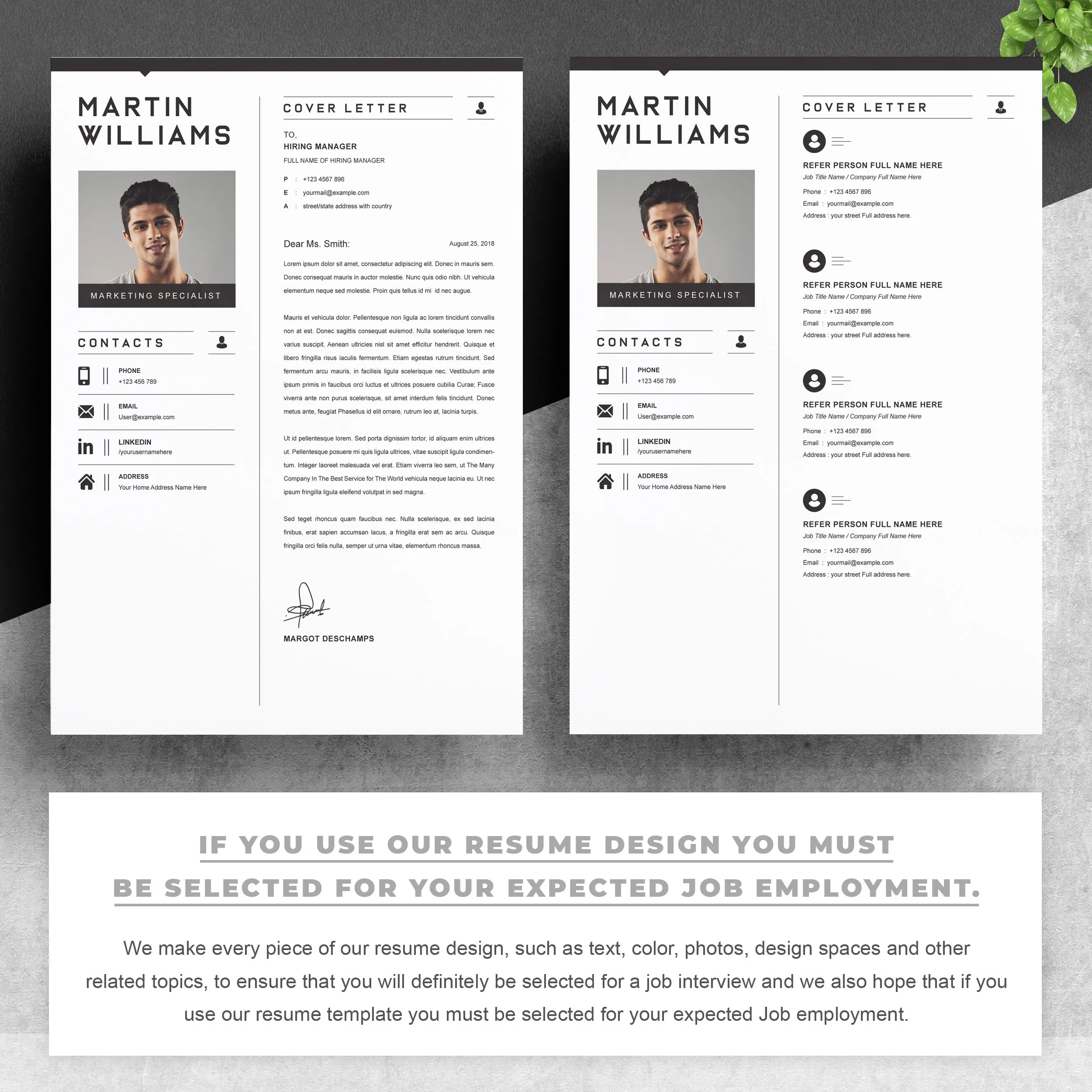
Understanding the Contemporary Cover Letter
In today’s competitive job market, a contemporary cover letter is more than just a formality; it’s a crucial tool for making a strong first impression. It’s your chance to showcase your personality, skills, and enthusiasm, setting you apart from other applicants. Understanding the nuances of a contemporary cover letter is essential for securing interviews and ultimately landing your dream job. This guide will provide you with the essential tips to create a cover letter that truly impresses.
What is a Contemporary Cover Letter
A contemporary cover letter is a dynamic and personalized document accompanying your resume. It’s designed to communicate your value proposition to a potential employer in a concise and engaging manner. Unlike older, more traditional formats, a contemporary cover letter emphasizes personalization, highlighting your unique skills and experiences in relation to the specific job and company. The key is to move beyond a generic summary of your resume and provide a compelling narrative.
Why is a Contemporary Cover Letter Important

The importance of a contemporary cover letter cannot be overstated. It offers an opportunity to elaborate on your qualifications and explain why you’re a perfect fit for the role. It demonstrates your communication skills, attention to detail, and genuine interest in the position. In many cases, a well-crafted cover letter is the deciding factor between an interview invitation and rejection, especially when the competition is fierce. It helps you make a connection with the hiring manager before you even get to the interview stage.
Key Components of an Impressive Contemporary Cover Letter
Several key components contribute to an impressive contemporary cover letter. These elements, when combined, create a powerful document that effectively communicates your value to a potential employer. Properly addressing these areas increases your chances of being noticed, securing an interview, and ultimately landing the job. A well-structured and thoughtful letter can make all the difference in today’s competitive job market.
Contact Information and Formatting
Start with your contact information (name, phone number, email, and LinkedIn profile URL) and the date. Then, include the hiring manager’s name (if known) and the company’s address. Proper formatting, including clear fonts and consistent spacing, makes your cover letter easy to read.
Applicant’s Skills and Qualifications

Clearly and concisely highlight the skills and qualifications that match the job requirements. Tailor your letter to each specific job application, focusing on the skills and experience that make you a strong candidate.
Tailoring your Cover Letter
One of the most crucial tips for a contemporary cover letter is tailoring it to the specific job and company. Generic cover letters are easily spotted and often discarded. Research the company and the specific role, and then customize your letter to address the unique requirements and demonstrate your understanding of their needs.
Researching the Company
Before you start writing, thoroughly research the company. Visit their website, read news articles, and explore their social media presence. Understand their mission, values, and recent projects. This research will help you tailor your cover letter to their specific needs and demonstrate your genuine interest.
Highlighting Relevant Skills

Carefully review the job description and identify the key skills and qualifications required. Then, highlight the skills you possess that align with these requirements. Use keywords from the job description to demonstrate that you’re a perfect match.
Quantifying Achievements
Whenever possible, quantify your achievements. Use numbers and data to demonstrate the impact you’ve made in previous roles. For example, instead of saying ‘Increased sales,’ say ‘Increased sales by 15% within six months.’
Showcasing Personality and Enthusiasm
Let your personality shine through. Use a professional but enthusiastic tone to express your interest in the role and the company. Show the hiring manager that you’re excited about the opportunity and eager to contribute.
Writing a Compelling Opening

The opening paragraph is your chance to grab the reader’s attention. Make it engaging and relevant to the job you are applying for. Briefly introduce yourself and state why you are interested in the position.
Grabbing the Reader’s Attention
Start with a strong hook. Consider using a brief anecdote, a compelling statistic, or a statement that directly addresses the company’s needs. The goal is to immediately capture the hiring manager’s interest and make them want to read more.
Stating Your Purpose
Clearly state the position you’re applying for and where you saw the job posting. This ensures the hiring manager immediately understands the purpose of your letter and can quickly assess your fit for the role.
Structuring the Body of Your Cover Letter

The body of your cover letter is where you highlight your skills, experience, and accomplishments. Structure it logically and make sure to provide specific examples of how you have demonstrated your abilities in previous roles.
Emphasizing Accomplishments
Focus on your accomplishments rather than just listing your responsibilities. Use action verbs and provide quantifiable results whenever possible. Demonstrate how you have made a positive impact in your previous roles.
Using Action Verbs Effectively
Start your sentences with strong action verbs to showcase your skills and experience. Examples include ‘managed,’ ‘developed,’ ‘implemented,’ ‘achieved,’ and ’led.’ These verbs add dynamism and make your letter more engaging.
Providing Specific Examples

Back up your claims with specific examples. Instead of saying ‘I have excellent communication skills,’ describe a situation where you successfully communicated and achieved a positive outcome. Provide details that illustrate your abilities and qualifications.
Writing a Strong Closing
The closing paragraph should reiterate your interest, summarize your value, and include a call to action. It is your final opportunity to leave a lasting impression on the hiring manager.
Reiterating Interest and Value
Briefly reiterate your interest in the position and the company. Summarize your key qualifications and highlight how you can contribute to their success. Show that you have a genuine understanding of the role and the company’s goals.
Including a Call to Action
End with a clear call to action. Express your availability for an interview and thank the hiring manager for their time and consideration. Include your contact information again, making it easy for them to reach you.
Ensuring a Professional Tone and Style
Maintaining a professional tone and style is crucial for conveying a positive impression. Use formal language, avoid slang, and maintain a positive and enthusiastic attitude throughout your cover letter.
Proofreading and Editing for Errors
Before submitting your cover letter, proofread and edit it meticulously. Errors can undermine your credibility and diminish your chances of getting the job. Read the document multiple times, and consider having a friend or family member review it as well.
Avoiding Common Mistakes
Several common mistakes can damage your cover letter and reduce your chances of getting an interview. Avoid these pitfalls to create a more effective and impressive document.
Generic Letters
Avoid using generic cover letters that are not tailored to the specific job or company. Hiring managers can easily detect generic letters and will likely discard them. Always personalize your cover letter to demonstrate your genuine interest and suitability for the role.
Typos and Grammatical Errors
Typos and grammatical errors can make you look unprofessional and careless. Always proofread your cover letter carefully, and use grammar and spell-checking tools. Consider having someone else review your letter as well.
Focusing on Yourself Instead of the Employer
While it is important to showcase your skills and experience, avoid making your cover letter all about you. Instead, focus on how your skills and experience can benefit the employer and contribute to their goals. Demonstrate that you understand their needs and can provide value to the company.
Formatting
Poor formatting can make your cover letter difficult to read and less visually appealing. Use clear fonts, consistent spacing, and a professional layout. Avoid excessive use of bolding or underlining, and make sure your document is easy on the eyes.
Using a Contemporary Cover Letter Template
Using a contemporary cover letter template can save you time and ensure your document looks professional. However, always customize the template to reflect your own skills, experience, and the specific requirements of the job you’re applying for. Do not just fill in the blanks; tailor the content.
Where to Find Templates
Numerous websites offer free and premium cover letter templates. Some popular resources include Microsoft Word, Google Docs, and professional resume-building websites. Choose a template that is modern, clean, and appropriate for the industry and role you are targeting.
Customizing Your Template
Once you select a template, customize it to fit your needs. Change the fonts, colors, and layout to reflect your personal brand. Most importantly, tailor the content of the template to showcase your skills, experience, and qualifications in a way that aligns with the job description. Remember, the template is a starting point; the content is what truly matters.
Best Practices for Submitting Your Cover Letter
After you have crafted your contemporary cover letter, it is important to submit it correctly to make sure it is read by the hiring manager. Following best practices during submission ensures you present yourself professionally.
File Format
Always submit your cover letter as a PDF file unless the job posting specifies otherwise. A PDF preserves the formatting of your document, ensuring that it looks the same on any computer. Make sure the file name is professional (e.g., ‘YourName_CoverLetter’).
Following Application Instructions
Carefully review the job posting and follow all application instructions. If the posting requests a specific file format or naming convention, adhere to those instructions to demonstrate your attention to detail and respect for the hiring process. Failing to follow instructions can result in your application being overlooked.
Contemporary Cover Letter Examples
Reviewing cover letter examples can give you a better understanding of how to structure your own document and tailor it to different situations. Here are a few examples to guide you in creating your own impressive contemporary cover letter.
Example 1
This example demonstrates how to tailor a cover letter for a marketing position, focusing on skills such as content creation, social media management, and data analysis. The goal is to highlight past experiences and the value offered to the potential employer. The key in such a case is showing that past successes are applicable for the role.
Example 2
In this example, a cover letter is crafted to highlight the applicant’s experience and achievements. The aim is to show the potential employer that the applicant is a good fit for the role. Use past experiences to highlight skills needed for the job.
Example 3
This example shows how to create a cover letter specifically to show previous leadership experience. Such letters need to highlight specific cases where the applicant led a team and the outcome of the experience, including specific examples. The key point is to showcase ability and show success.