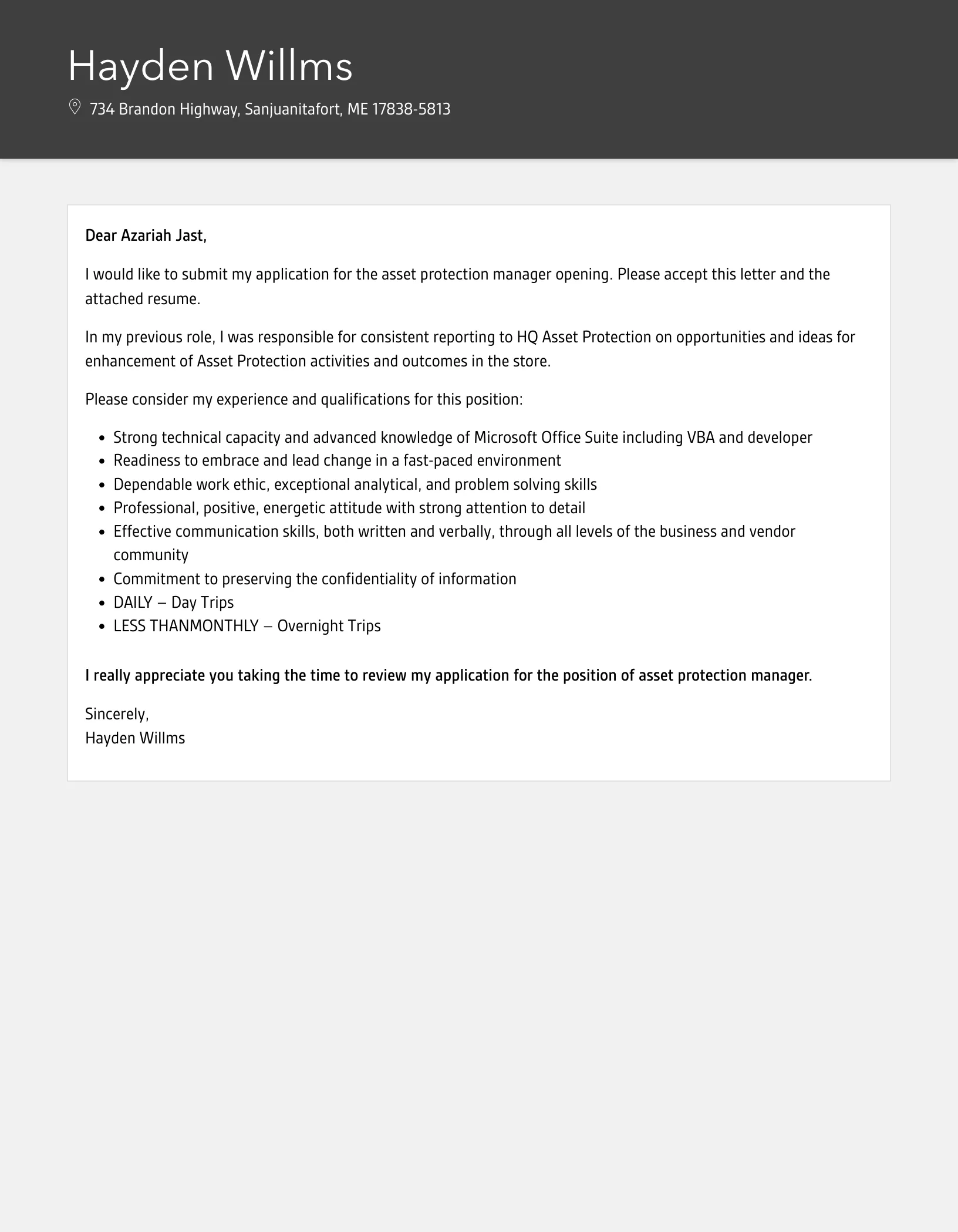
Understanding Asset Protection Cover Letters
An asset protection cover letter is a crucial document in the process of safeguarding your assets. It serves as an introduction to your asset protection plan, outlining your objectives and providing context to the recipient, typically a legal professional or financial advisor. It’s more than just a formality; it’s a strategic communication tool that sets the stage for a successful asset protection strategy. It is essential to approach this document with precision and a clear understanding of its purpose. A well-crafted cover letter can significantly enhance the effectiveness of your asset protection efforts, ensuring that your intentions are clearly communicated and that your advisor or legal professional is well-informed to assist you effectively. This proactive step is vital for building a strong foundation for your financial security.
Purpose of an Asset Protection Cover Letter
The primary purpose of an asset protection cover letter is to introduce your asset protection needs and goals. It allows you to explain why you’re seeking asset protection and what you hope to achieve. The letter also provides the recipient with necessary background information, such as your current financial situation and any specific concerns you have. Moreover, it serves to establish a clear understanding of the scope of the asset protection plan you are seeking, ensuring that all parties are aligned from the outset. Properly defining the purpose is the first step to achieving the goal of asset protection.
Benefits of Using a Cover Letter

Using an asset protection cover letter offers several key benefits. First, it provides a written record of your intentions, which can be useful for future reference. Second, it helps you organize your thoughts and clarify your objectives before you meet with a professional. Third, it ensures that your advisor or legal professional has all the necessary information upfront, allowing them to provide more effective and personalized advice. Moreover, a well-written cover letter demonstrates professionalism and seriousness, enhancing the credibility of your request and setting the tone for a successful working relationship. By outlining your goals and concerns in a clear and concise manner, you increase the likelihood of receiving the support and guidance you need to protect your assets effectively.
Key Components of an Effective Cover Letter
Contact Information and Salutation
Start your cover letter with your contact information, including your name, address, phone number, and email. This ensures that the recipient can easily reach you. Following this, address the letter to the appropriate person or department with a professional salutation, such as “Dear Mr./Ms. [Last Name].” If you are unsure who to address the letter to, research the firm or organization to find the correct contact. Proper contact information and an appropriate salutation are essential for building a professional and respectful tone from the very beginning, which is vital for establishing trust and confidence in your communication. These details set the stage for a positive interaction and demonstrate that you are serious about protecting your assets.
Clearly State Your Purpose

In the opening paragraph, clearly state the purpose of your letter. Be specific about your interest in asset protection and what you hope to achieve by seeking professional assistance. Mention that you are seeking guidance and support in protecting your assets from potential risks. This immediately sets the context for the reader, allowing them to understand the nature of your request and the value of your communication. This direct and straightforward approach ensures that your intentions are immediately apparent, setting the stage for a clear and effective exchange of information. A clear statement of purpose is the foundation of a compelling cover letter.
Highlight Your Expertise and Credentials
If you have any relevant expertise, such as previous experience in financial planning or knowledge of asset protection strategies, briefly mention it. Highlighting your credentials can enhance your credibility. Note any specific steps you have already taken toward asset protection. Including any certifications or relevant coursework adds further weight to your understanding of the subject. The goal here is to demonstrate your commitment to asset protection and to inform the reader of your pre-existing knowledge base. This can help them to understand your perspective and to better tailor their advice to your specific needs. While you don’t want to overdo it, highlighting relevant expertise can build confidence.
Address Potential Concerns
Briefly address any potential concerns that might impact your asset protection plan. This could include existing lawsuits, financial liabilities, or other factors that could complicate your situation. Be upfront about any potential challenges or complexities. Demonstrating this transparency is crucial for building trust and ensuring a smooth and effective working relationship. It also allows your legal or financial advisor to prepare for and address these concerns proactively. Transparency also shows that you are serious about safeguarding your assets and are willing to fully disclose relevant information, which is essential for building a strong and trustworthy relationship with your advisors.
Call to Action

Conclude your cover letter with a clear call to action. State what you want the recipient to do, such as scheduling a consultation, reviewing your financial information, or providing recommendations for asset protection strategies. Include your availability for a meeting or phone call. Make it easy for the recipient to take the next step. Offering multiple ways to contact you makes it more likely that the reader will respond. A well-defined call to action ensures that the recipient knows exactly what is expected of them and motivates them to take the next step. This will help in moving your plan forward in a timely and effective manner.
Writing the Cover Letter Step by Step
Researching the Recipient
Before you begin writing, research the recipient of your cover letter. Find out their name, their role within the firm, and any relevant experience or specialties they have. This research will help you tailor your letter to their specific expertise and demonstrate that you have taken the time to understand their background. Visit their website or LinkedIn profile. By personalizing your cover letter, you show that you respect their time and expertise. Understanding the recipient’s background enables you to frame your request in a way that is most relevant to their experience. This enhances the chances of a positive response and increases the likelihood of a productive conversation.
Drafting the Body of the Letter

Start with a strong opening statement that clearly states your purpose. In the body of the letter, provide the necessary background information, such as your current financial situation and your asset protection goals. Explain why you are seeking asset protection and what specific concerns you have. Be as specific as possible. Describe any actions you have already taken towards asset protection. Keep the language clear and concise, avoiding jargon. Use concise sentences and paragraphs to maintain reader engagement. Draft the body of your cover letter with the aim of informing and persuading the recipient. Clearly articulating your needs and goals makes it easier for them to understand and respond accordingly. A well-drafted body will convey your sincerity and the importance of the services you are seeking.
Proofreading and Editing
Once you’ve drafted your cover letter, proofread it carefully for any grammatical errors, spelling mistakes, or typos. Check for proper sentence structure and clarity. Make sure the tone of the letter is professional and respectful. Consider having someone else review your letter for a fresh perspective. Ensuring that your letter is free from errors and is well-written is essential to making a positive impression. Errors can detract from your credibility and undermine your message. A well-proofread and edited letter demonstrates your attention to detail and professionalism. Take the time needed to ensure the final document is polished and error-free, leaving a lasting positive impression on the reader.
Common Mistakes to Avoid
Using Generic Templates

One of the biggest mistakes is using a generic cover letter template without tailoring it to your specific situation. Generic templates often lack the personal touch and specific details necessary to make your request stand out. They may not address your unique needs or concerns effectively. Taking the time to customize the letter shows that you have put thought into the process. Always personalize the template to align with your individual circumstances and objectives. Tailoring your cover letter to your specific situation ensures that your message is relevant and effectively conveys your needs, making your request more compelling to the recipient. Focus on your specific goals and use language that reflects your unique circumstances to convey your commitment to asset protection.
Failing to Tailor the Letter
Another common mistake is failing to tailor your cover letter to the specific recipient. A generic letter can come across as impersonal and may not capture the reader’s attention. Research the recipient and the firm they work for to customize your letter. Address the letter to the correct person. Highlight any experience or background that is relevant to your needs. This level of personalization shows that you have taken the time to understand their expertise. Tailoring your letter ensures that your message resonates with the reader and makes a strong impression. Personalized letters are more likely to be read and considered carefully, increasing the chances of a positive response and a successful asset protection strategy.
Ignoring Grammar and Spelling
Ignoring grammar and spelling errors can undermine your credibility. Mistakes can make your letter appear unprofessional and careless, which can diminish the value of your request. Proofread your letter carefully before sending it, and consider using grammar-checking software. These mistakes can make your letter less persuasive. Attention to detail is crucial in financial and legal matters. Ensuring that your letter is free from grammatical errors and spelling mistakes demonstrates your commitment to precision and accuracy. This is particularly crucial when dealing with important matters like asset protection. Errors can create a negative impression and reduce the recipient’s confidence in your ability to manage your financial affairs effectively.
Formatting for Success

Choosing the Right Font and Size
Choose a professional and easy-to-read font, such as Times New Roman, Arial, or Calibri. Use a font size between 11 and 12 points. Maintain a consistent font throughout your letter. Make sure the font size is readable on screen and in print. Your choice of font and size directly impacts the readability of your cover letter. Using a professional font makes a good first impression. Avoid overly fancy or decorative fonts. Ensure the text is easily scannable and comfortable to read. The right font and size contribute to the overall clarity and professionalism of your document, ensuring your message is easily understood.
Using Clear and Concise Language
Use clear, concise, and straightforward language throughout your cover letter. Avoid using jargon or overly complex terms that may confuse the recipient. Keep your sentences and paragraphs short and to the point. Use strong verbs and active voice to maintain a professional tone. Being clear and concise helps ensure that your message is easily understood, especially when dealing with complex financial or legal matters. Writing in a clear and straightforward style ensures that your message is easily understood by your reader. This will help convey your needs effectively and improve the chances of getting the support needed to protect your assets.
Reviewing Examples
Asset Protection Cover Letter Examples
Reviewing examples of asset protection cover letters can provide valuable insights into the structure, content, and tone. Look for templates that match your specific situation and the type of professional you are contacting. Pay attention to how the examples introduce the writer’s goals, explain their financial situation, and outline their concerns. Take note of the formatting, language, and overall organization. Analyze how the examples are tailored to the specific recipient. Reviewing different templates will help you create a custom and effective letter. Adapt the examples to your unique circumstances, ensuring that your cover letter is a perfect fit.
Adaptation to Specific Situations
Adapt your cover letter to fit your specific situation. If you have complex financial circumstances, be sure to provide enough detail to give the recipient a clear understanding of your situation. If you have specific legal concerns, mention them. If you are contacting a particular specialist, emphasize your interest in their area of expertise. Customize the letter based on your specific needs and the type of professional you are reaching out to. Customizing will make the letter more relevant. Your asset protection cover letter will be more compelling and the recipient will be better prepared to provide the appropriate advice. A tailored letter will increase the likelihood of receiving useful and informed guidance.