Understanding the Accounting Cover Letter
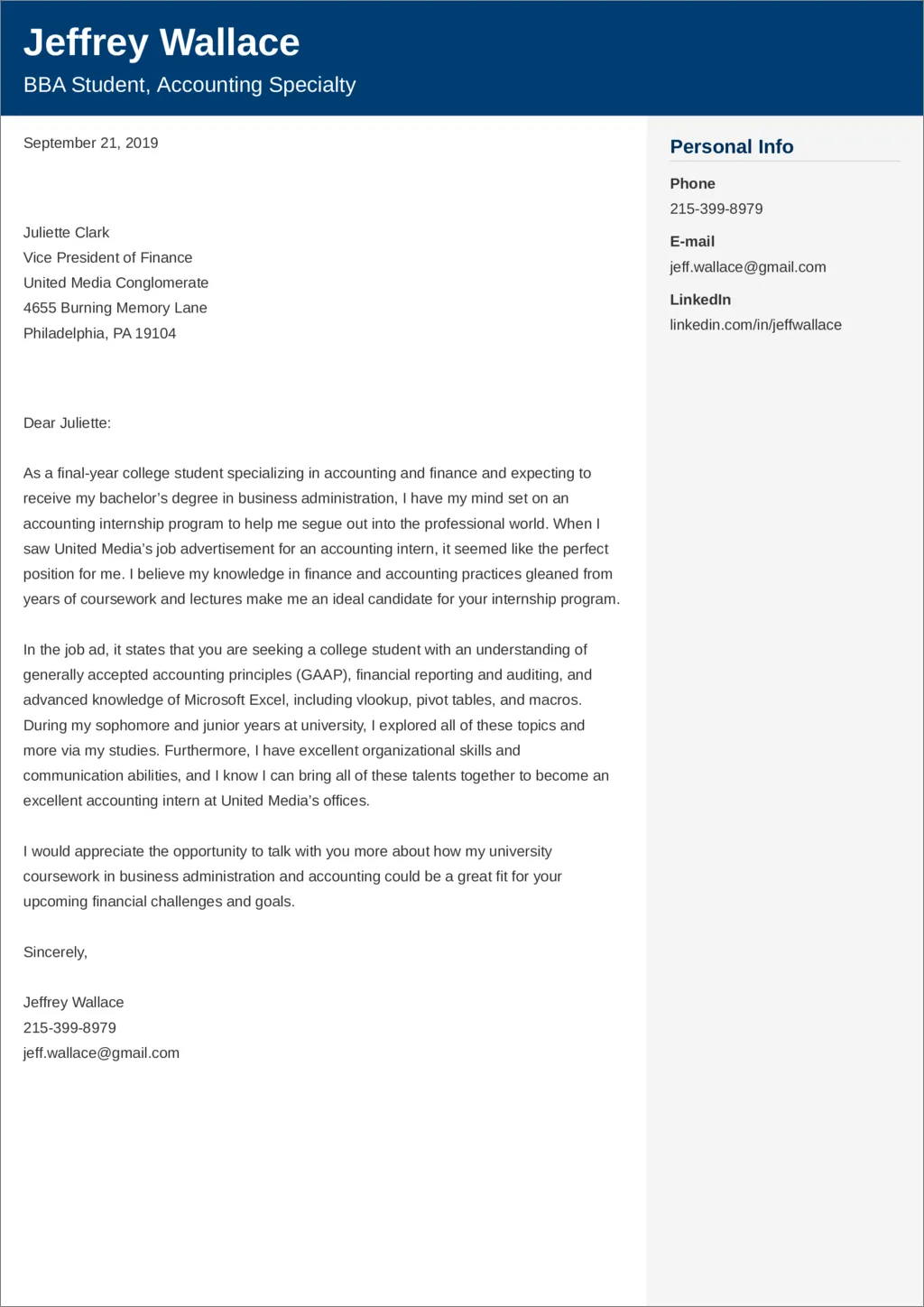
An accounting cover letter is a crucial document that accompanies your resume when applying for accounting positions. It serves as your introduction to the hiring manager, providing a personalized overview of your skills, experience, and qualifications. Unlike a resume, which lists your credentials, the cover letter allows you to elaborate on your accomplishments, explain your career goals, and demonstrate your enthusiasm for the specific role and company. A well-crafted accounting cover letter can significantly increase your chances of getting an interview by showcasing your personality, communication skills, and suitability for the position. It provides an opportunity to make a strong first impression and differentiate yourself from other candidates. Crafting a compelling cover letter requires attention to detail, tailoring it to each job application, and highlighting the most relevant aspects of your background.
Why Is an Accounting Cover Letter Important?
An accounting cover letter is important for several reasons. Firstly, it provides context to your resume, allowing you to explain how your skills and experience align with the specific requirements of the job. Secondly, it demonstrates your communication skills, which are essential in accounting roles. A clear, concise, and well-written cover letter showcases your ability to articulate your thoughts and ideas effectively. Thirdly, it enables you to highlight your personality and enthusiasm for the position, helping you make a more personal connection with the hiring manager. It also allows you to elaborate on specific achievements and quantify your impact in previous roles, providing concrete evidence of your capabilities. Furthermore, a well-crafted cover letter shows that you have taken the time to research the company and understand the role, demonstrating your genuine interest. Lastly, it helps you stand out from other candidates who may only submit a resume, giving you a competitive edge.
Key Components of an Accounting Cover Letter

A strong accounting cover letter comprises several key components that work together to create a compelling narrative. These include your contact information, the date, and the recipient’s details, ensuring the letter is properly addressed and easy to reach you. A professional greeting sets the tone and addresses the hiring manager or relevant contact person. The body of the letter should clearly state the position you are applying for, briefly introduce yourself, and highlight your key skills and experience relevant to the job. You should also express your interest in the company and explain why you are a good fit for the role. A compelling closing reiterates your interest and includes a call to action, such as requesting an interview. Finally, express gratitude for their time and consideration, and include a professional closing such as ‘Sincerely’ or ‘Best regards,’ followed by your name and contact information. Following these components will make your letter easier to read and allow you to make a strong statement.
Your Contact Information
Start with your full name, address, phone number, and email address at the top of the cover letter. This ensures the hiring manager can easily contact you. Ensure your email address is professional (e.g., firstname.lastname@email.com) and that your voicemail message is professional as well. Also, double-check that all your contact information is current and accurate. Including a link to your LinkedIn profile is optional but recommended as it provides additional information about your professional background.
Date and Recipient Details
Below your contact information, include the date. Then, provide the hiring manager’s name, title, and the company’s name and address. If you don’t know the hiring manager’s name, research it online or use a general greeting like ‘Dear Hiring Manager.’ Addressing the letter to a specific person shows you’ve taken the time to do your research and demonstrates your attention to detail. Proper formatting here reflects professionalism and respect for the recipient, creating a positive first impression. It shows you have considered your audience and have a real interest in the position.
Greeting

The greeting should be formal and professional. If you know the hiring manager’s name, use ‘Dear Mr./Ms./Mx. Last Name.’ If you don’t know the name, use a general greeting like ‘Dear Hiring Manager’ or ‘Dear [Company Name] Hiring Team.’ Avoid generic greetings like ‘To Whom It May Concern,’ as they can make your letter seem impersonal. The greeting sets the tone for the rest of your cover letter, so make sure it’s appropriate and reflects your respect for the recipient and the company. It’s the first step in making a positive connection.
5 Tips to Write a Great Accounting Cover Letter
Highlighting Relevant Skills and Experience
Carefully review the job description and identify the key skills and experiences the employer is seeking. Then, in your cover letter, highlight your relevant qualifications, using specific examples from your past roles. For instance, if the job requires proficiency in financial reporting, provide details on your experience creating financial statements or managing accounting processes. Tailor your examples to match the requirements of the job description. Focus on accomplishments rather than just listing your responsibilities; quantify your achievements whenever possible. This helps the hiring manager quickly see how your skills and experience align with their needs. It ensures your letter is directly relevant to the position, increasing your chances of getting noticed.
Quantifying Achievements

Whenever possible, quantify your achievements using numbers and data. Instead of saying you ‘improved efficiency,’ state you ‘reduced processing time by 15%.’ Instead of stating you ‘managed a budget,’ indicate the specific size of the budget and any positive outcomes. These tangible metrics provide concrete evidence of your impact and demonstrate the value you brought to previous employers. Quantification makes your claims more credible and helps the hiring manager understand the scope of your abilities. Using specific examples shows the impact of your skills and sets you apart from other candidates. Concrete data makes your letter stronger and more persuasive.
Tailoring to the Job Description
Each cover letter should be tailored to the specific job you are applying for. Review the job description carefully and customize your letter to address the specific requirements and keywords mentioned. Use the same terminology and phrases as the job posting to demonstrate your understanding of the role. Avoid sending generic letters; instead, show that you have taken the time to understand the position and the company. This targeted approach shows the hiring manager you are genuinely interested in the role and have the specific skills and experience they are seeking. Tailoring your cover letter makes it more relevant and increases your chances of getting an interview.
Demonstrating Enthusiasm and Fit
Express genuine enthusiasm for the position and the company. Show that you have researched the company and understand its mission and values. Explain why you are interested in this specific role and why you believe you would be a good fit for the organization. Demonstrating your passion and knowledge about the company helps you connect with the hiring manager and shows that you are not just looking for any job, but are truly interested in this opportunity. Expressing your enthusiasm makes you more memorable and increases your chances of making a positive impression. It shows you are eager to contribute and succeed.
Proofreading and Formatting

Before submitting your cover letter, carefully proofread it for any errors in grammar, spelling, and punctuation. Ensure your letter is well-formatted, with clear paragraphs and appropriate spacing. Use a professional font like Times New Roman or Arial, and keep the font size consistent. Poor formatting and errors can make your letter seem unprofessional and can damage your credibility. Proofread carefully, and consider having someone else review your letter as a fresh pair of eyes can often catch mistakes you might miss. Pay attention to details and make sure your letter is polished and easy to read, reflecting your attention to detail and professionalism.
Crafting a Powerful Closing
Expressing Gratitude
In your closing, express your gratitude for the hiring manager’s time and consideration. Thank them for reviewing your application and acknowledging their effort in the hiring process. This shows respect and professionalism and leaves a positive final impression. Your thank you reinforces your appreciation for the opportunity and strengthens your overall positive impression, setting a courteous tone for future interactions.
Call to Action

Include a clear call to action in your closing. State that you are available for an interview and are eager to discuss your qualifications further. Provide your contact information again, just in case. This action reinforces your interest in the position and provides the next step for the hiring manager. It encourages them to contact you, showing your proactiveness and desire to move forward in the hiring process. A strong call to action increases your chances of getting the interview.
Common Mistakes to Avoid
Using Generic Language
Avoid using generic phrases or clichés that could apply to any job. Instead, personalize your letter by showcasing your specific skills, experiences, and achievements. Using vague language makes your letter less memorable and less impactful. Replace general statements with specific details and examples that demonstrate your unique qualifications. Tailor your language to the job description and show you understand the specific requirements and challenges of the position. Using unique and relevant details shows that you have done your research and are genuinely interested in the role.
Focusing on Yourself Too Much

While it’s important to highlight your skills and experience, avoid focusing solely on yourself. Frame your accomplishments in terms of how you can contribute to the company’s success. Show the hiring manager how your skills and experience align with their needs and how you can solve their challenges. Shift the focus from what you want to what you can offer the company. Focusing on the company’s needs makes your letter more compelling and shows that you understand their goals, making you a more attractive candidate.
Typos and Grammatical Errors
Typos and grammatical errors can undermine your credibility. Proofread your letter carefully before submitting it. Use a grammar checker and consider having someone else review your letter for mistakes. Errors indicate a lack of attention to detail and can create a negative impression. Ensure your letter is flawless and reflects your professionalism and attention to detail. A well-proofread letter shows that you care about quality and are serious about the opportunity, increasing your chances of success.
Final Thoughts on Accounting Cover Letters
Writing an effective accounting cover letter takes time and effort, but it is an investment that can significantly improve your job application. By following these tips, you can create a cover letter that showcases your skills and experience and helps you stand out from the competition. Always tailor your cover letter to each specific job and company. Proofread your letter carefully and ensure it is free of errors. Present yourself as a qualified and enthusiastic candidate who is eager to contribute to the organization’s success. A well-crafted cover letter will increase your chances of getting an interview and landing your desired accounting role. Be confident in your skills and let your personality shine through in your writing. Your cover letter is your opportunity to show that you are the perfect fit for the job.